Comparing Water Filtration Systems for Restaurants and Cafes
What should restaurants and cafes consider when comparing water filtration systems?
- Water quality problems vary by location and business type
- Carbon filters work well for basic taste and sediment issues
- Reverse osmosis offers deeper purification for demanding applications
- Hybrid systems can balance performance, cost, and maintenance
- The right system depends on daily volume, equipment, and water test results
Overview
- Comparing water filtration systems for restaurants and cafes matters because different businesses have different water demands, equipment sensitivities, and product quality expectations.
- Carbon filtration addresses basic taste and sediment needs, reverse osmosis offers deeper purification, and hybrid systems combine both for a more balanced approach suited to varied food service operations.
- As a trusted water treatment provider for food service businesses across the Philippines, CWS Philippines Inc. supplies tailored filtration solutions, and our team helps businesses identify the most practical setup for their location and operations.
Not all food service businesses need the same type of water filtration, and comparing water filtration systems for restaurants and cafes is not just about choosing the strongest technology. It is about matching the right solution to your specific water conditions and operational needs.
Water quality directly affects taste, equipment reliability, maintenance schedules, and food safety. In the Philippines, these concerns can be even more important because water conditions may vary depending on location, source, and infrastructure.
Before choosing between carbon filtration, Reverse osmosis, or a hybrid setup, businesses need to understand what each system does best and where each one fits.
Water Quality Problems Vary by Location and Business Type
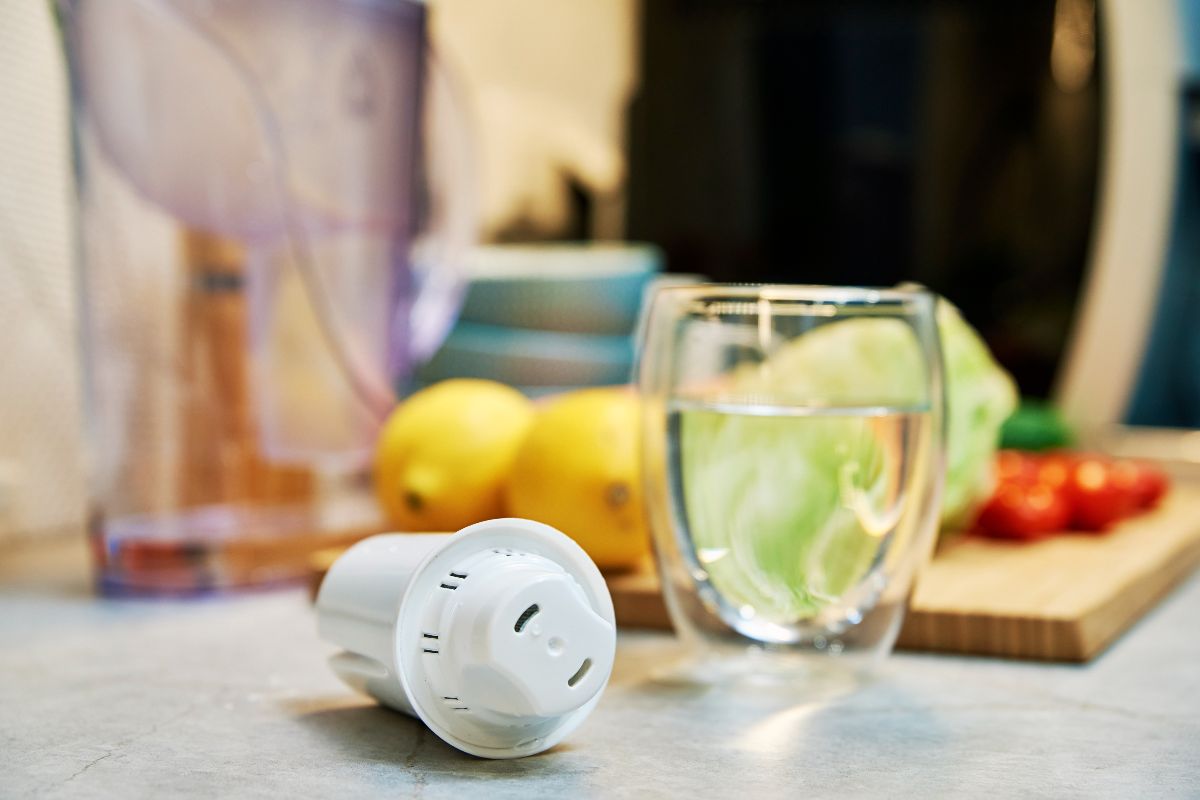
Restaurants and cafés may both rely on clean water, but they often use it in different ways. Restaurants usually need filtration that supports cooking, cleaning, ice production, dishwashing, and food prep at scale. Cafés, especially coffee-focused businesses, often need tighter control over taste, aroma, and mineral content because water directly affects beverage quality.
This difference matters when comparing system types. A restaurant may prioritize broad equipment protection and high-volume utility performance, while a café may focus more on taste consistency and protecting espresso equipment from scale. Filtration should be selected based on the actual demands of the business rather than a standardized approach.
Carbon Filters Work Well for Basic Taste and Sediment Issues
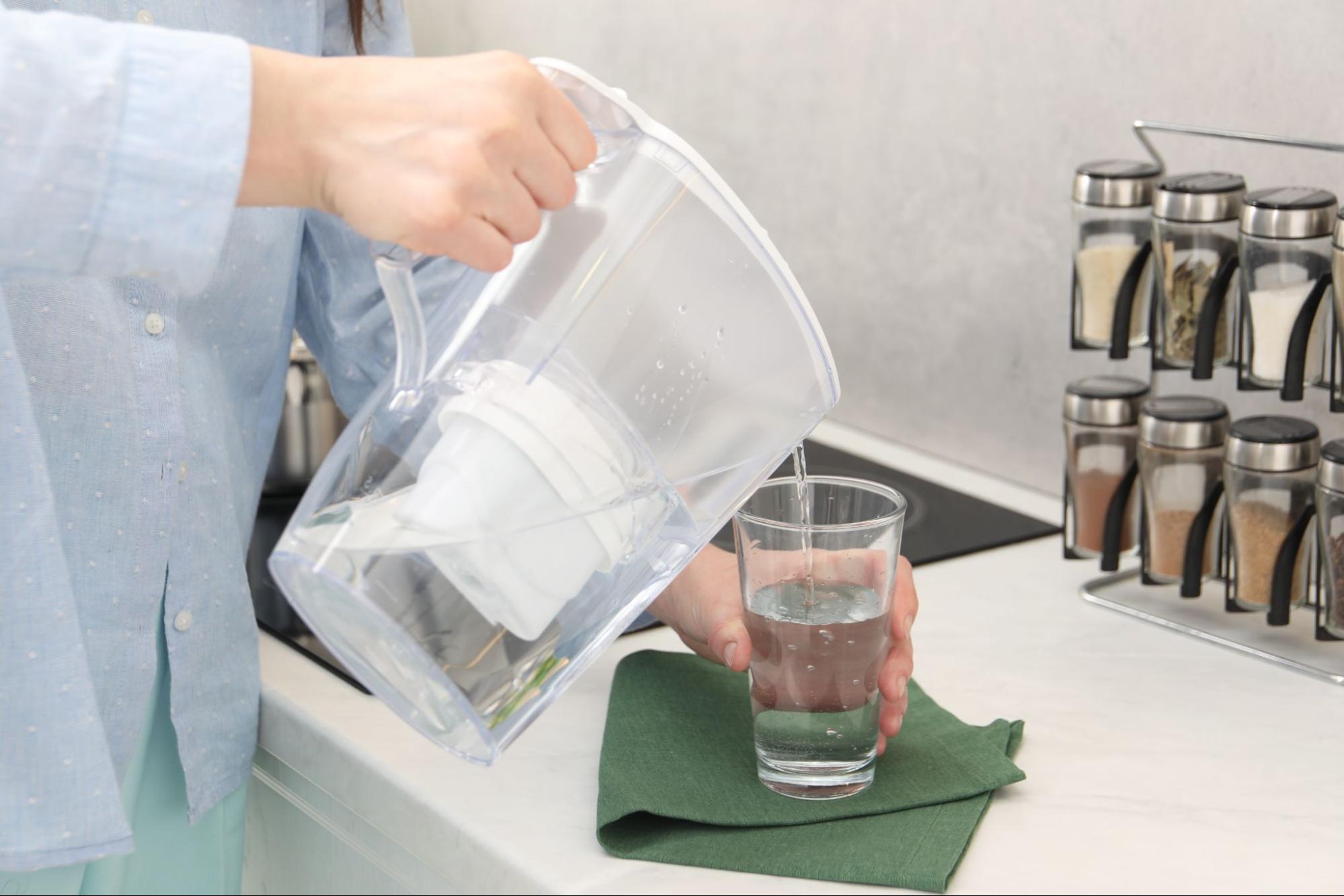
Carbon filtration is often a strong starting point for businesses that mainly need to reduce chlorine, improve taste, and remove sediment or unpleasant odors. It is commonly used in food service because it is relatively straightforward, cost-effective, and useful for improving general water quality. For small cafés or restaurants with manageable water conditions, carbon filtration can be enough to support better beverage taste and cleaner water for day-to-day use. It can also act as a pre-treatment stage that supports other filtration technologies.
However, carbon filtration has limits. It does not offer the same level of contaminant removal as reverse osmosis, and it may not be enough for businesses dealing with high dissolved solids, heavy mineral content, or more complex water quality problems.
Reverse Osmosis Offers Deeper Purification for Demanding Applications
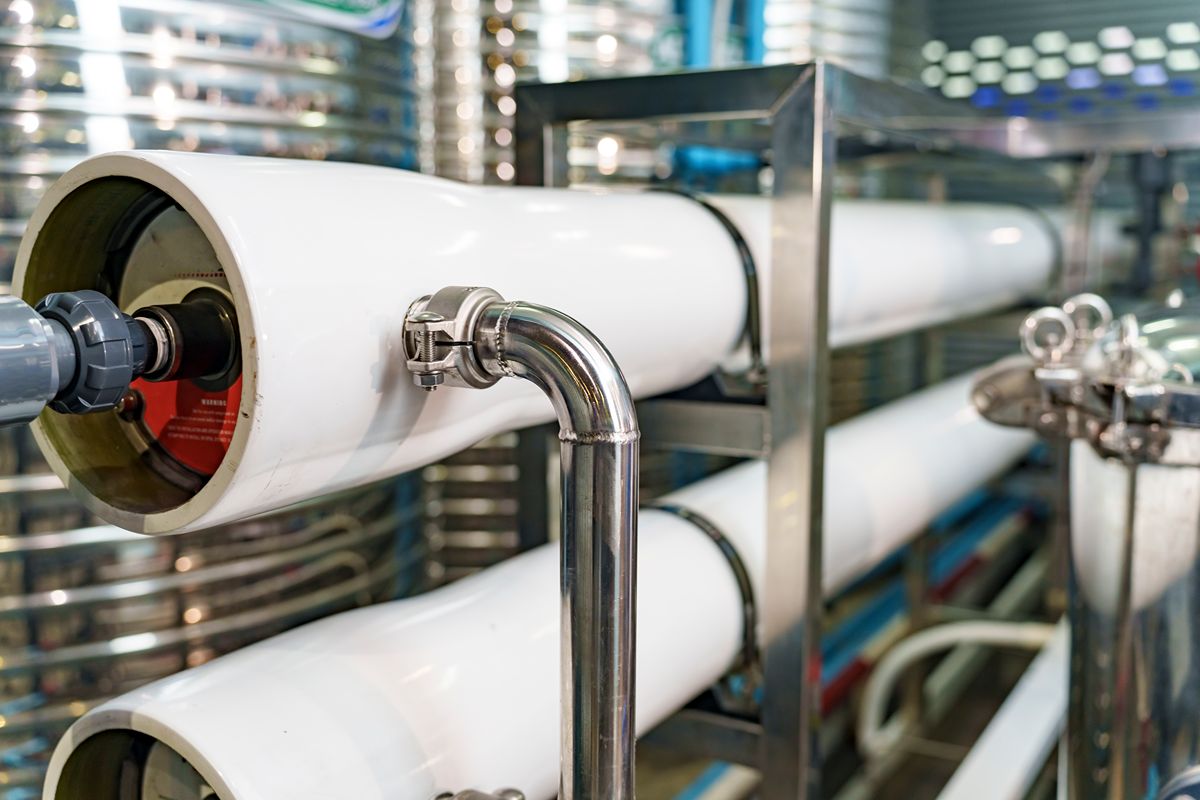
Reverse osmosis is one of the most effective water treatment methods for businesses that need deeper purification. It is designed to remove a wide range of contaminants, including dissolved solids, minerals, bacteria, and heavy metals, making it especially valuable when water quality is inconsistent or when output quality must be tightly controlled.
For cafés serving specialty coffee or restaurants that need highly purified water for beverages, prep, or certain equipment, reverse osmosis can offer a significant advantage in consistency and equipment protection. At the same time, it is not always the default answer. It usually requires a higher initial investment, more involved maintenance, and careful assessment of whether that level of purification is necessary for the business.
Hybrid Systems Can Balance Performance, Cost, and Maintenance
For many restaurants and cafés, the most practical setup is not choosing only carbon filtration or only reverse osmosis. It is combining technologies in a way that improves overall performance without adding unnecessary complexity.
A hybrid system may use carbon filtration as a first stage to reduce chlorine, sediment, and other larger impurities, then pair it with reverse osmosis for deeper purification where needed. This approach reduces strain on the more sensitive filtration stages while still delivering better water quality across food and beverage operations. It can be especially useful for businesses that want stronger protection than basic filtration but do not need a full reverse osmosis setup across every water application.
The Right System Depends on Daily Volume, Equipment, and Water Test Results
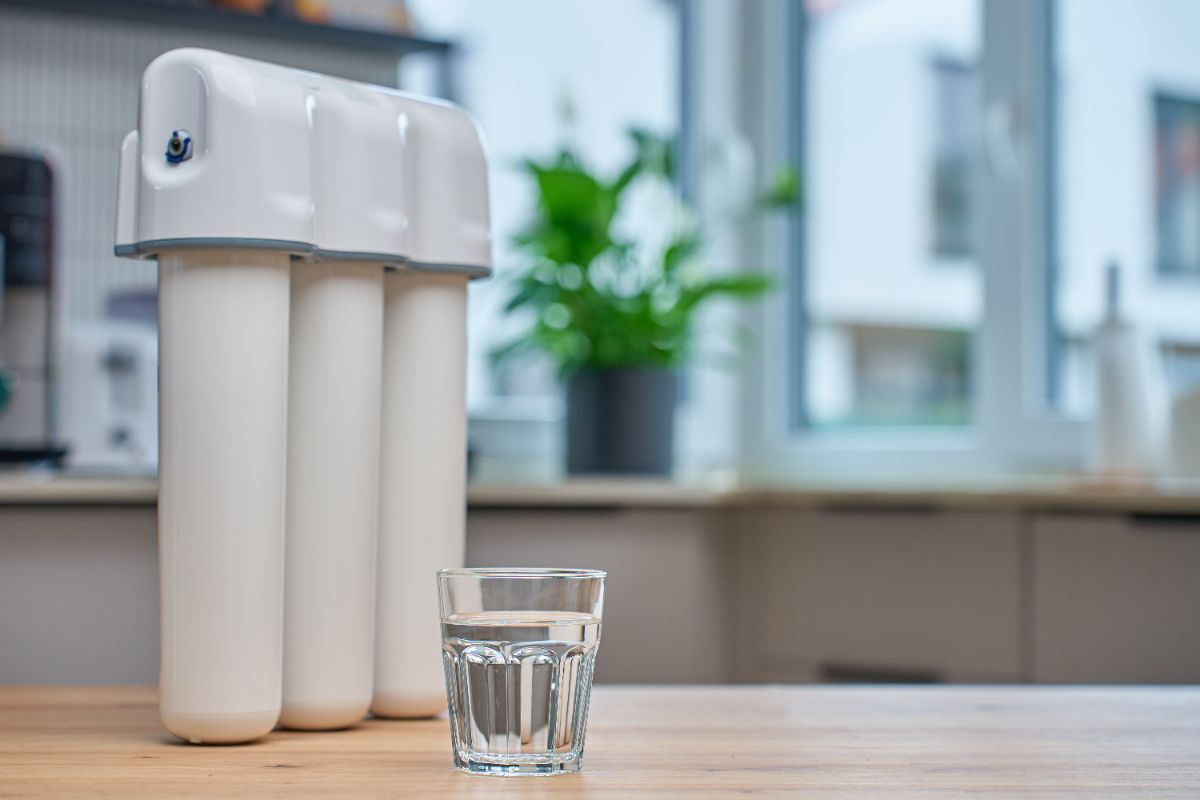
Selecting the most suitable filtration setup requires looking beyond system type and considering how your business actually uses water every day.
For restaurants
Restaurants often benefit from systems that support multiple water-use points across the kitchen. Filtration should help protect equipment, improve food prep water quality, reduce scale buildup, and support compliance. High daily volume and varied usage often make broader commercial filtration or a hybrid setup the most practical choice.
For cafes
Cafés, especially coffee-led businesses, may need tighter control over taste and mineral balance. Espresso machines and beverage consistency are highly sensitive to water quality, so more refined filtration or reverse osmosis may be more beneficial depending on the source water.
Cost, Maintenance, and Long-Term Value
A lower-cost system may be entirely suitable if your business only needs chlorine and sediment reduction. But for operations where water issues are already affecting taste, equipment performance, or product consistency, a more advanced setup often delivers stronger returns through lower repair costs and more reliable output.
Why Water Testing Should Come First
Choosing the right filtration system starts with understanding your actual water conditions. Testing helps identify whether your business is dealing with chlorine, sediment, high dissolved solids, mineral hardness, or more complex contaminants. That information makes it easier to choose between carbon filtration, reverse osmosis, or a hybrid setup with confidence.
CWS Philippines Inc. provides tailored filtration solutions for restaurants and cafés across the Philippines, and our team can help you assess your water conditions and identify the most practical setup for your specific operations.
Key Takeaway
By comparing water filtration systems for restaurants and cafes, you can now move forward with a more confident and informed decision about the water filtration setup that best fits your business, your equipment, and the water quality demands of your daily operations.
For businesses that want a system matched to their actual needs, CWS Philippines offers tailored solutions for different operational needs. Contact us today to find the right setup for your business.