How Often Do Water Filtration Systems Need Servicing?
Overview
- While water filtration systems are built for durability, they still require routine servicing to maintain reliable performance in industrial environments.
- Maintenance frequency varies depending on system type and operational load, with some components requiring attention every few months and others lasting several years.
- Without proper servicing, even advanced systems can gradually lose efficiency and allow contaminants to affect output water quality and equipment reliability.
- As a trusted provider of industrial water treatment solutions in the Philippines, CWS Philippines delivers professional-grade filtration systems and technical support to help facilities maintain consistent, long-term performance.
While it’s common knowledge that industrial water filtration systems are built for durability, that does not eliminate the need for routine servicing. Every filter reaches a point where worn components compromise normal system performance, no matter how efficient it is at its core function. Without proper maintenance, even high-quality filtering solutions can compromise the very water they were designed to protect.
Facility managers may ask, “How often do water filtration systems need servicing?” The answer depends on the type of system and the demands placed on it. With regular servicing, they’re better able to protect equipment and preserve the filters’ efficiency in the long run.
As one of the Philippines’ trusted providers of industrial water treatment solutions, CWS Philippines helps facilities maintain reliable water quality through professional filtration systems installed and supported by experts. Read on to learn the right maintenance practices that keep filtration solutions performing at their best.
How Often Does Your Water Filter Need Servicing?
Most standard filtration systems require servicing every 3 to 12 months, although the exact schedule depends on the water quality and operating conditions. Sediment and carbon filters require more frequent replacement because they continuously capture suspended particles and contaminants. Facilities operating in areas with poor water quality may need shorter maintenance intervals to maintain consistent performance.
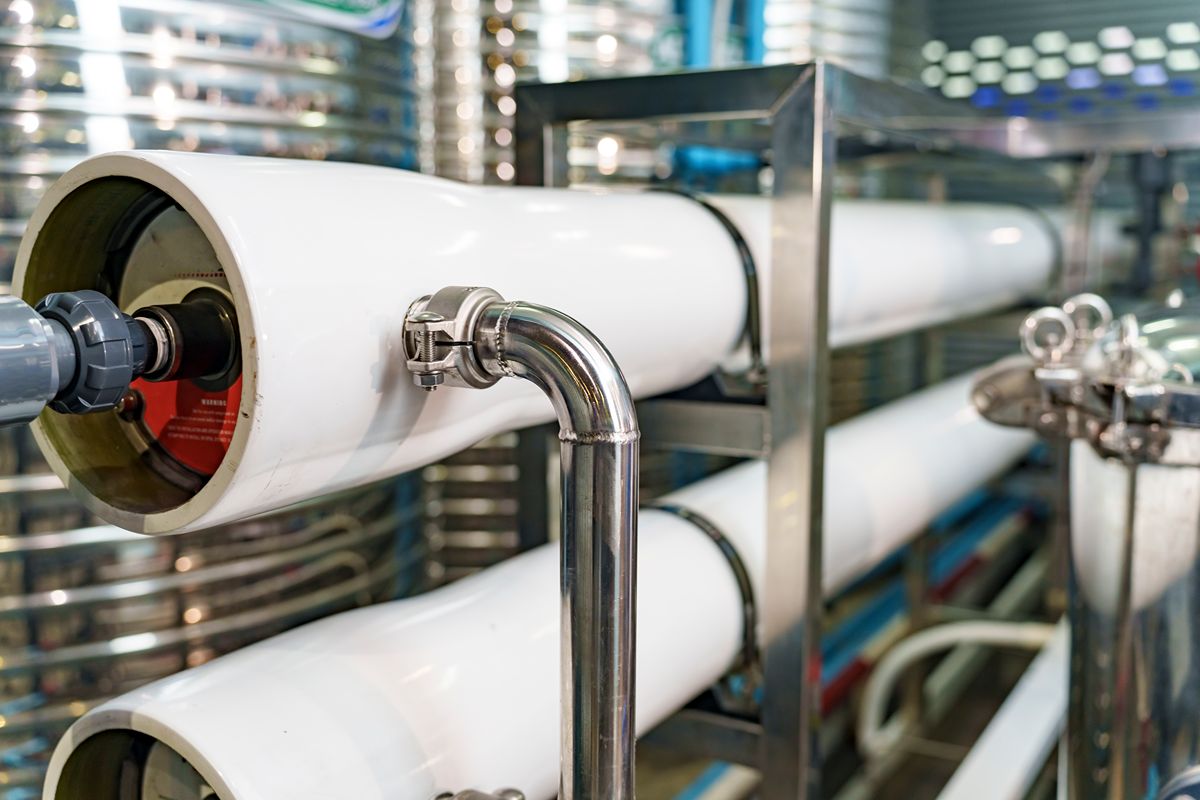
Servicing requirements become longer for specialized treatment technologies. Reverse osmosis systems, such as CWS’ Everpure Reverse Osmosis systems, typically last between one and five years, while UV lamps often require replacement after approximately one year of operation.
Regardless of the filtration technology used, regular maintenance remains essential because trapped contaminants and declining filtration efficiency can eventually affect the system’s overall reliability.
Best Practices for Maintenance

Proper servicing involves more than replacing filter components at scheduled intervals. Facilities that combine preventive maintenance and professional support are often better positioned to maintain consistent filtration performance over the long term.
Adhere to Manufacturer Timelines
The most reliable way to prevent avoidable filtration issues is to follow the maintenance schedule established by the system manufacturer. Each filter differs in operating limits and performance characteristics, so it’s important to adhere to these established standards. This approach helps facilities maintain consistent performance by preventing both premature component replacement and delayed servicing.
Servicing too early often leads to unnecessary operating costs without measurable performance gains, while extending maintenance beyond recommended intervals increases the risk of wear. Maintaining detailed service records supports proper scheduling by giving teams a clear reference for system upkeep across the facility.
Some facilities adjust maintenance intervals based on operational experience. However, any adjustments to servicing intervals should always be validated using water quality data and system performance readings.
Sanitize and Inspect the O-Rings
Every servicing cycle should include cleaning and inspecting O-rings for cracks, flattening, or other signs of deterioration. Sanitizing the surrounding housing also helps remove microbial buildup that may develop over time.
Small sealing components can have a surprisingly large impact on overall system performance. O-rings create watertight seals between housings, cartridges, and critical filtration components. If these seals become damaged, contaminants may bypass filtration stages and enter the treated water stream.
Replacing worn seals is typically far less costly than addressing leaks or contamination caused by seal failure. Since degraded O-rings are a common entry point for pressure instabilities, their timely replacement should be treated as standard maintenance practice to preserve system performance.
Test Water Quality
Water quality testing serves as a direct method for verifying whether a filtration system is performing as intended. While visual checks can detect obvious issues, many water quality deviations develop without immediate physical indicators. Regular testing allows facilities to confirm that contaminants are being effectively removed from the system.
Key performance indicators such as total dissolved solids, pH levels, and chemical concentrations provide insight into how system conditions change over time, especially when tracked consistently across operational cycles. Routine monitoring establishes a stable performance baseline and enables managers to base maintenance decisions on measurable data.
Seek Professional Inspections
Certain filtration issues develop within components that are not easily assessed during routine maintenance. Professional inspections provide a deeper evaluation of system performance, allowing technicians to identify hidden problems before they result in costly disruptions.
Experienced water treatment specialists can assess membrane condition and overall treatment efficiency. They can also identify opportunities to optimize system configuration based on changing operating conditions. Through these evaluations, they often uncover issues that routine maintenance alone may not detect.
Working with experienced providers such as CWS Philippines gives facilities access to technical expertise, system assessments, and long-term maintenance support. With our professional guidance, we ensure that your filtration systems continue to operate at their intended performance levels.
Key Takeaway
Every filtration system requires servicing regardless of its expected lifespan. With consistent upkeep, facilities can maximize system lifespan while maintaining the level of treatment their operations require.
So, how often do water filtration systems need servicing? The answer depends on the type of system you own and the workload it handles on a daily basis.
At CWS Philippines, we provide industrial-grade water treatment solutions and the technical expertise needed to keep them operating efficiently. Contact us today to learn how we can help maintain your water filtration system’s effectiveness.