How Reverse Osmosis Supports Water Quality for Hospital Sterilization Processes
Overview
- Hospital sterilization depends on water that meets the quality demands of specialized equipment and instrument reprocessing. Poor water quality can create operational issues that affect sterilization workflows.
- Reverse osmosis gives healthcare facilities greater control over the water entering sterilization systems by reducing impurities that basic treatment may leave behind.
- CWS Philippines provides Pentair Everpure RO solutions tailored to the water-quality and operational requirements of hospital facilities.
In hospital sterilization, water quality plays a critical role in ensuring safety and smooth operations. As water is heated and converted into steam, dissolved minerals can deposit on internal components and gradually reduce equipment performance. That’s why hospitals need high-performing water filtration solutions to support reliable sterilization workflows and equipment operation.
Reverse osmosis (RO) can remove many of these substances before they reach the sterilization system, helping hospitals maintain better feedwater quality. With the right supplier, RO systems can be a highly critical part of a hospital’s water treatment setup. Here’s how RO supports water quality for hospital sterilization processes:
Removing Dangerous Contaminants
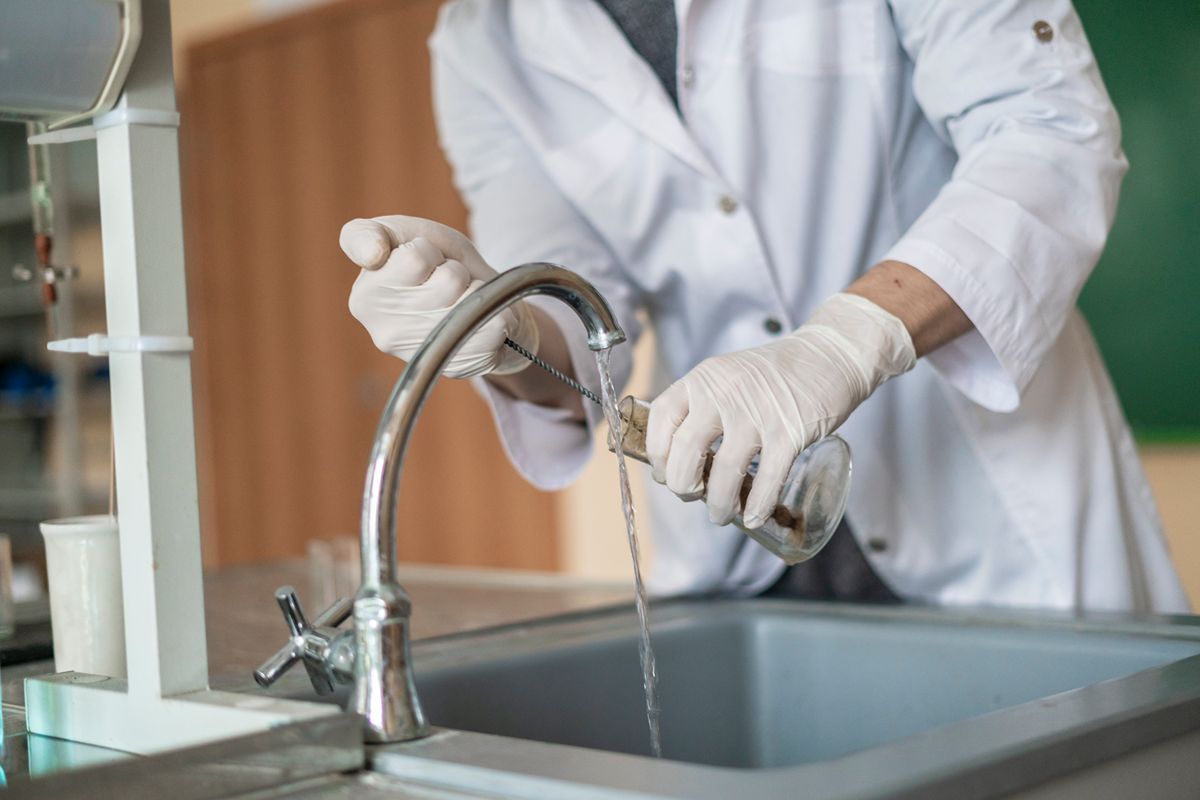
Hospital sterilization systems need water with controlled contaminant levels to ensure safety. RO helps reduce many dissolved substances before they reach sterilization equipment, giving hospitals greater control over the water used in these applications.
Eliminates Microbes
Microorganisms in feed water can become a concern for processes involving medical instruments, but reverse osmosis can help minimize that risk. RO membranes create a physical barrier that can retain many bacteria and other microorganisms as water passes through, helping reduce the microbial load in treated water. This provides an additional barrier that helps maintain cleaner water for sterilization processes.
Conventional filtration may not always provide the same level of microbial reduction. Some bacteria can go unnoticed, and water may not always show signs of contamination. For these reasons, facilities further benefit from the appropriate treatment and monitoring measures RO filters provide. Their semipermeable membrane removes unseen elements from the water and helps meet required safety standards.
Clears Chemical Traces
Heavy metals, dissolved minerals, and organic compounds can remain in hospital water even when it looks clean and clear. Some of these substances can accumulate on sterilization equipment or leave deposits after repeated heat exposure, affecting components and maintenance requirements. RO helps address this concern by reducing many dissolved impurities before the water reaches the sterilization system.
Chlorine can damage filtration membranes if it reaches them at excessive levels. That’s why systems commonly use activated carbon or another suitable pretreatment stage to reduce chlorine before the water enters the RO membrane. This combination gives hospitals a more controlled treatment process, addressing both membrane protection and the water quality supplied to sterilization equipment.
Protecting Hospital Equipment
Feed water quality can affect how sterilization equipment performs and how often it needs maintenance. By reducing substances that can contribute to scaling, RO treatment can help protect internal components.
Prevents Scaling
RO-treated water helps prevent hard mineral scale from building up inside autoclaves and steam sterilizers. Dissolved minerals can precipitate when water is heated repeatedly, leaving deposits on heating elements and other internal components. Reducing these minerals before the water enters the equipment helps keep internal surfaces cleaner and supports more efficient heat transfer.
With fewer scale-forming minerals entering the system, hospitals can reduce buildup that drives cleaning and maintenance requirements. This helps protect expensive sterilization equipment and supports more consistent operation across repeated sterilization cycles.
Reduces Corrosion
Corrosion can develop when reactive ions and other dissolved substances in water interact with metal surfaces inside sterilization equipment. RO reduces those contaminants, lowering the concentration of substances that may contribute to corrosion and pitting of stainless steel components. This helps preserve the condition of chambers, piping, and other metal parts exposed to treated water.
Protecting these surfaces is important for equipment used repeatedly in hospital instrument processing. Less corrosion can help reduce deterioration and the risk of damaged components affecting equipment performance. Alongside proper pretreatment and water-quality control, reverse osmosis solutions can further support the long-term condition of surgical and sterilization equipment.
Meeting Safety Standards
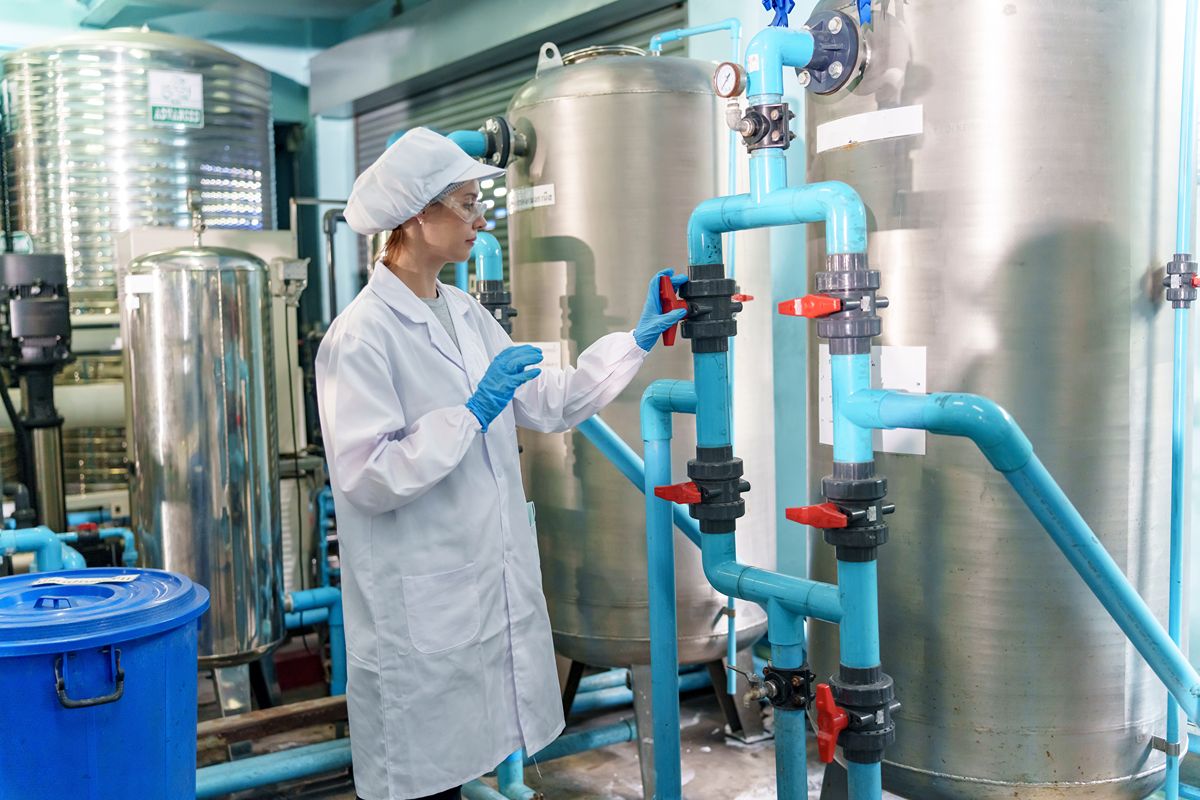
Hospital sterilization water treatment must align with the facility’s safety protocols. RO can contribute to these requirements by producing treated water with lower levels of many dissolved contaminants, supporting a more controlled water supply.
Ensures Compliance
Hospitals need to maintain water quality as part of their broader infection prevention and facility safety responsibilities. In the Philippines, the Department of Health’s Administrative Order No. 2017-0010, which sets requirements for protecting public health through water-quality monitoring and testing. RO systems offer more advanced water treatment performance to help meet these requirements.
For sterilization applications, required water quality depends on the equipment process and applicable standards. RO can produce more controlled feed water, giving facility managers greater ability to meet the water-quality requirements relevant to their sterilization systems. This treatment approach can complement the infection prevention and control measures required under national policies.
Supports Patient Safety
RO systems support sterilization and patient safety by reducing contaminants in the water used to clean reusable medical instruments. Excessive impurities can affect equipment performance or leave deposits that interfere with consistent sterilization conditions. By providing cleaner feed water, RO helps maintain the water quality needed for reliable instrument reprocessing before those instruments return to patient care.
Reliable water quality can reduce water-related factors that may interfere with effective sterilization. This helps hospitals maintain safer reprocessing practices and reduce potential exposure to healthcare-associated infections.
Ensure Safe Water Quality For Hospital Operations with CWS Philippines
As an authorized distributor of Pentair Everpure in the Philippines, CWS Philippines can help facilities select an RO system based on their source-water conditions and sterilization requirements. From system selection and installation to maintenance and technical support, we help hospitals establish a water treatment setup that supports consistent water quality.
Pentair Everpure reverse osmosis systems use pressure to push water through a semipermeable membrane that separates many dissolved contaminants from the treated water. They reduce complex impurities that affect water quality and patient safety. By producing water with fewer dissolved contaminants, Pentair Everpure RO systems can help hospitals maintain cleaner feed water for sterilization.
Key Takeaway
Water quality plays an important role in reliable hospital sterilization, since impurities in feed water can affect equipment performance. Understanding how RO supports water quality for hospital sterilization processes helps facilities identify how reducing dissolved contaminants can support cleaner water and contribute to safer patient care.
If you’re seeking a reliable supplier of Pentair Everpure RO systems for your hospital operations, CWS Philippines can help you assess water conditions and determine an appropriate RO solution for your sterilization requirements. Contact us today to find the right filter for your hospital’s water treatment needs.