Does Reverse Osmosis Remove Bacteria and Viruses?
Overview
- Reverse osmosis (RO) membranes block most bacteria, parasites, and many viruses by using microscopic pores that allow water molecules through while rejecting larger contaminants.
- System effectiveness depends on correct design, pressure, and timely maintenance to prevent biogrowth in pre-filters and storage tanks.
- For stronger microbial assurance, pair RO with UV sterilization and professional support from CWS.
Many industrial facilities face exposure to microorganisms that cannot be seen with the naked eye, including bacteria, viruses, and parasites. These contaminants can impact operational procedures, compromise product quality, and create health risks if not immediately addressed.
Because of this, businesses exploring water treatment solutions ask an important question: does reverse osmosis remove bacteria and viruses? The answer is largely yes, but understanding why requires a closer look at how it works and what additional protocols may be needed to maintain microbial protection.
CWS Philippines Inc. offers reverse osmosis that reduces contaminants and supports higher treatment standards. Backed by technical expertise and support, we help you implement solutions tailored to your water management goals.
How RO Handles Microorganisms
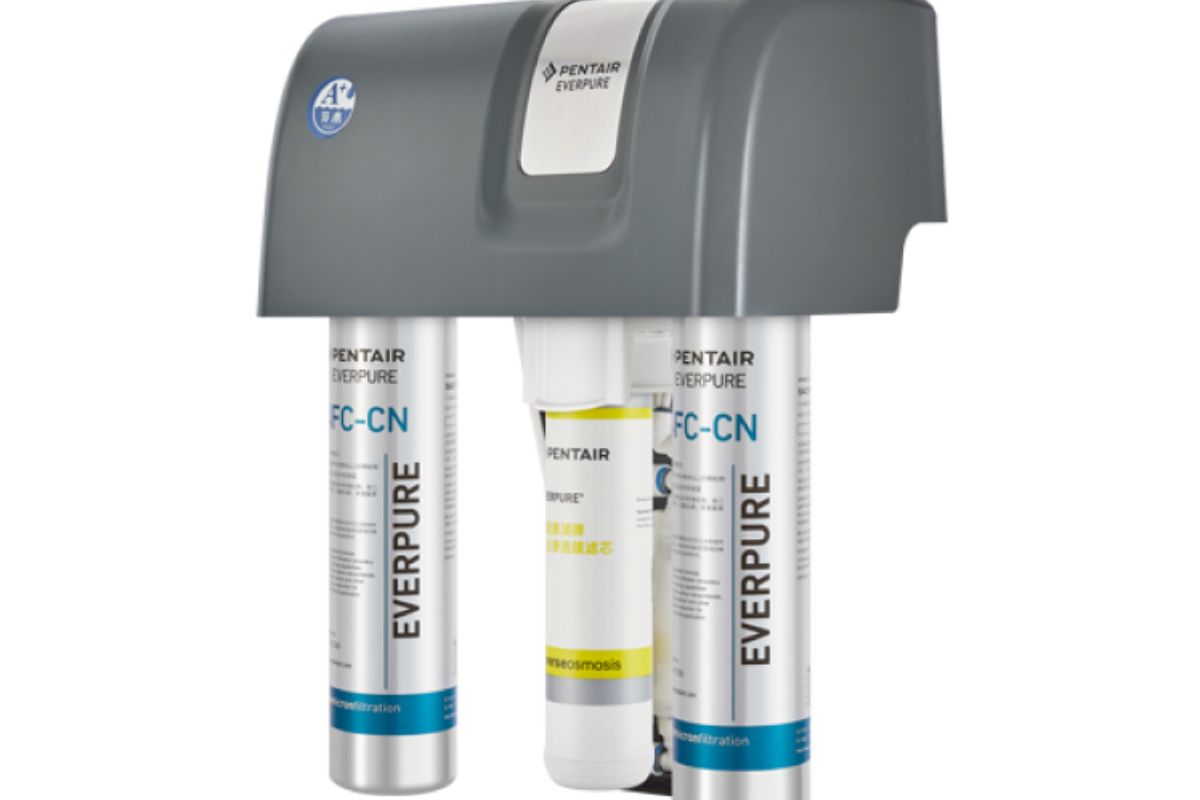
One reason reverse osmosis is utilized in various sectors is its ability to remove contaminants, including many microbiological threats. This capability comes primarily from the system’s specialized membrane advancement.
The Membrane
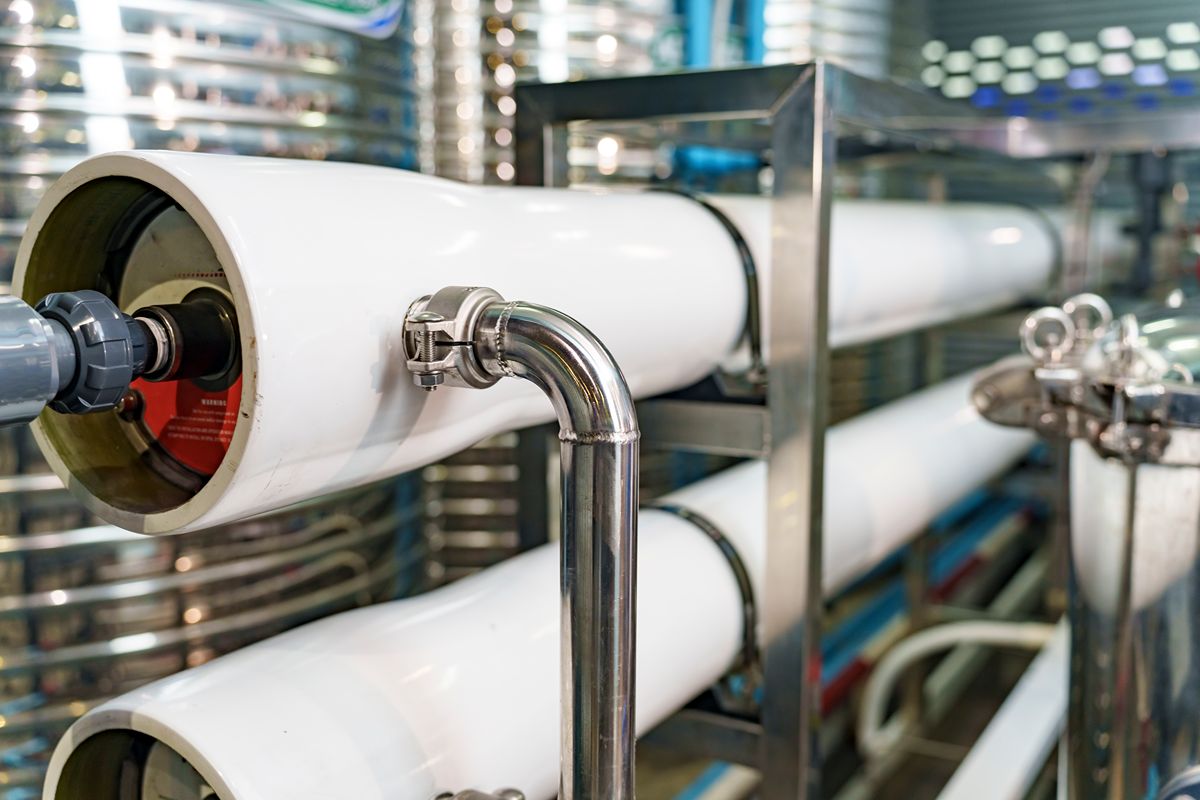
It serves as an extremely fine barrier that separates water molecules from many dissolved and suspended contaminants. Unlike conventional filters that capture bigger particles, an RO membrane contains microscopic pores measured at a molecular scale.
These openings are small enough to allow water molecules to pass through while preventing multiple impurities from crossing the membrane. As pressure pushes water through the system, contaminants remain on the feed side and are carried away through a separate waste stream.
Effectively Remove Bacteria, Viruses, and Parasites
Because bacteria, viruses, and parasites are bigger than water molecules, reverse osmosis membranes reject them through this same size-exclusion process. Bacteria and parasites are too large to pass through the membrane, and the membrane blocks many viruses for the same reason; their size relative to the pore openings.
This is where the details matter for your facility: RO’s actual effectiveness depends on proper system design, component condition, operating pressure, and maintenance practices. When those factors are in place, RO provides you a strong layer of microbial protection, helping you achieve cleaner and safer water for your operations.
The Risk of Bacterial Growth

Although reverse osmosis is highly effective at removing microorganisms during treatment, no system is entirely immune to contamination risks after filtration. Certain components can become potential areas for bacterial growth if they are not properly maintained.
Pre-Filters
These safeguard the RO membrane by extracting sediment, chlorine, and other contaminants before water reaches the main treatment stage. However, these filters accumulate trapped particles and organic matter that can create favorable conditions for bacterial growth if you overlook replacement schedules.
When pre-filters become clogged or worn, system performance may decline, and you may notice a drop in water quality. Regular checks and on-time replacement are therefore crucial for maintaining hygienic conditions and ensuring the entire treatment process is adequate, particularly if your facility depends on consistent water quality for cleaning, processing, or product-contact applications.
Storage Tanks
Storage tanks can present a possible risk if water remains stagnant for longer periods. Even when water has been carefully treated, incorrect tank upkeep or inadequate sanitation practices may allow microorganisms to grow within the storage environment.
This does not mean storage tanks are unsafe, but it emphasizes the significance of proper cleaning and monitoring. If your operations rely on storage tanks as part of your RO system, you should build regular inspection timelines to ensure intended quality from production to point of use.
Best Practices and Complementary Methods
While the RO membrane offers significant microbial reduction, combining it with extra treatment strategies can further strengthen water quality management and provide additional protection.cz
Pair the System with UV Sterilization
To create a more comprehensive treatment technique, it’s always best to pair reverse osmosis systems with ultraviolet (UV) sterilization. UV technology works by exposing microorganisms to ultraviolet light that disrupts their ability to reproduce, which neutralizes bacteria, viruses, and other pathogens that may remain after filtration.By integrating UV treatment after reverse osmosis, businesses can strengthen protection and maintain effective workflows.
Follow the Manufacturer’s Maintenance Schedule
Reverse osmosis membranes, pre-filters, storage tanks, and related equipment all call for periodic servicing to maintain good performance and prevent conditions that trigger contamination. For these systems, consistent maintenance not only supports microbial control but also extends equipment lifespan. Facilities that adhere to the manufacturer’s recommended schedule of upkeep can better achieve high-quality over the long term.
Key Takeaway
Does reverse osmosis remove bacteria and viruses effectively? Yes — but the protection it provides is only as strong as the system maintaining it. Facilities that treat RO as an ongoing process, not a one-time installation, are the ones that sustain reliable water safety over time.
CWS Philippines Inc. delivers personalized water treatment solutions that help industrial and manufacturing establishments maintain safe water systems. Whether you need guidance on RO membrane, system upgrades, or treatment strategies, contact us today to learn how we can support your operational demands.