Water Solutions Startups Need to Consider
What water solutions should startups consider before operations begin?
- Water testing
- Source and usage assessment
- Filtration or reverse osmosis treatment
- Wastewater treatment and compliance
- Total cost of ownership planning
Overview
- Water testing and source evaluation determine what treatment your facility actually needs.
- Treatment options range from commercial filtration to reverse osmosis and UV disinfection, depending on your process requirements.
- Planning for wastewater compliance and total cost of ownership early reduces operational and regulatory risk at launch.
Water is one of the most critical inputs in any startup operation, yet it is often overlooked during early-stage planning. In various facilities across the Philippines, even small variations in water quality can significantly affect product consistency, equipment performance, and compliance outcomes, especially when operations begin to scale.
That is why choosing the right system means preventing these issues through proper water treatment and planning from the outset, rather than reacting to problems once production is already underway.
In this article, we look at the water solutions startups need to consider before operations begin, especially when balancing efficiency, compliance, and long-term costs.
Water Testing

The first consideration should be testing. Water may look clear and still contain issues that matter for startup operations, including high dissolved solids, hardness, chlorine, sediment, or microbial contamination.
Testing helps identify what type of treatment is actually needed. Without it, you risk overspending on systems that exceed your actual requirements or underinvesting in treatment that cannot protect product quality and equipment.
A basic water test can include checks for total dissolved solids (TDS), hardness, pH level, chlorine content, sediment, and microbial presence. Depending on the type of business and water source, testing may also cover iron, manganese, odor, turbidity, and other contaminants that can affect production, sanitation, or equipment performance.
High hardness may call for scale control or softening, while microbial concerns may require disinfection. High dissolved solids may point to the need for reverse osmosis. Testing provides a clearer basis for choosing a system that fits actual operating conditions.
Source and Usage Assessment
Not all startups operate on the same type of water supply. Some rely on municipal water, others on wells, and some use a combination depending on the site. Each source creates different treatment priorities.
Municipal water may already be treated, but that does not always mean it is ideal for industrial or manufacturing use. Residual chlorine, changing pressure, and seasonal fluctuations can still affect process stability. Well water, on the other hand, may introduce additional concerns such as iron, hardness, or sediment depending on the location.
Just as important is understanding how water will be used in your facility. Water for cleaning, process water, cooling, food contact, boiler feed, and final rinse applications may each require a different quality level. Choosing one water treatment system without mapping those uses can create inefficiency or leave important risks unresolved.
Filtration or Reverse Osmosis Treatment
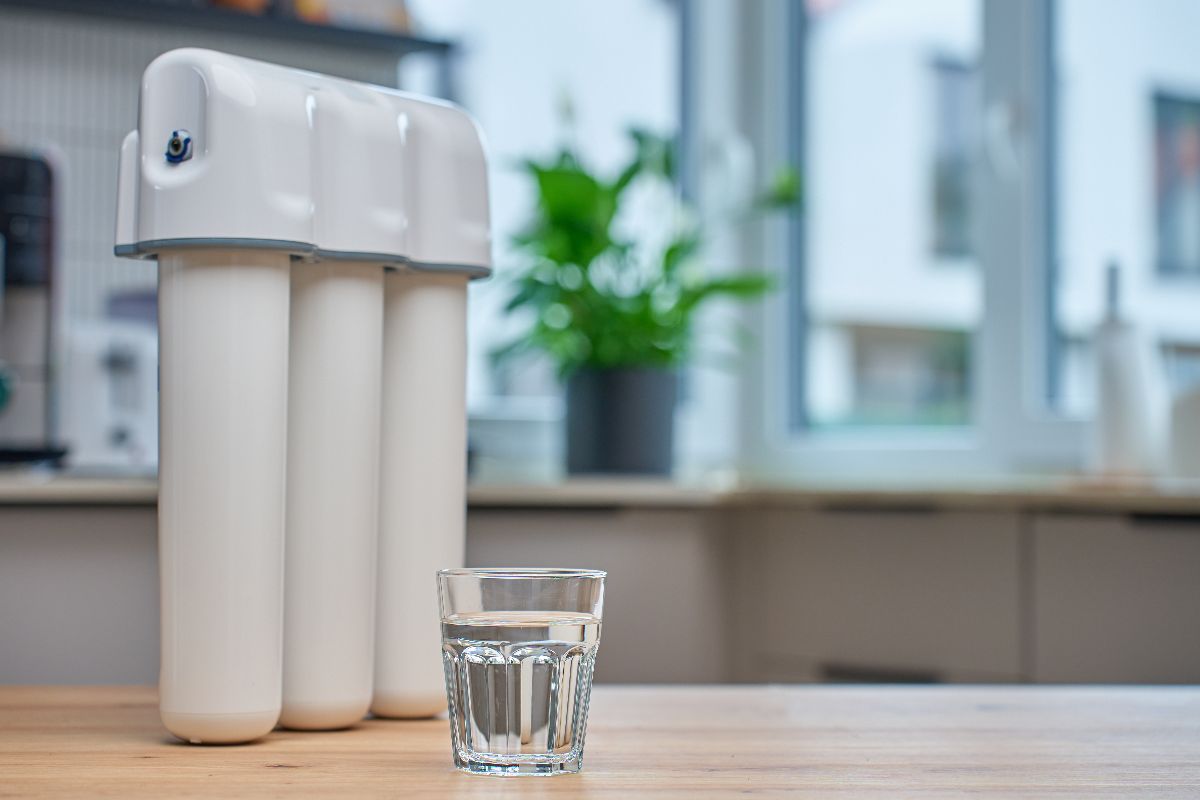
Once testing and water-use mapping are complete, the next step is selecting the right treatment approach.
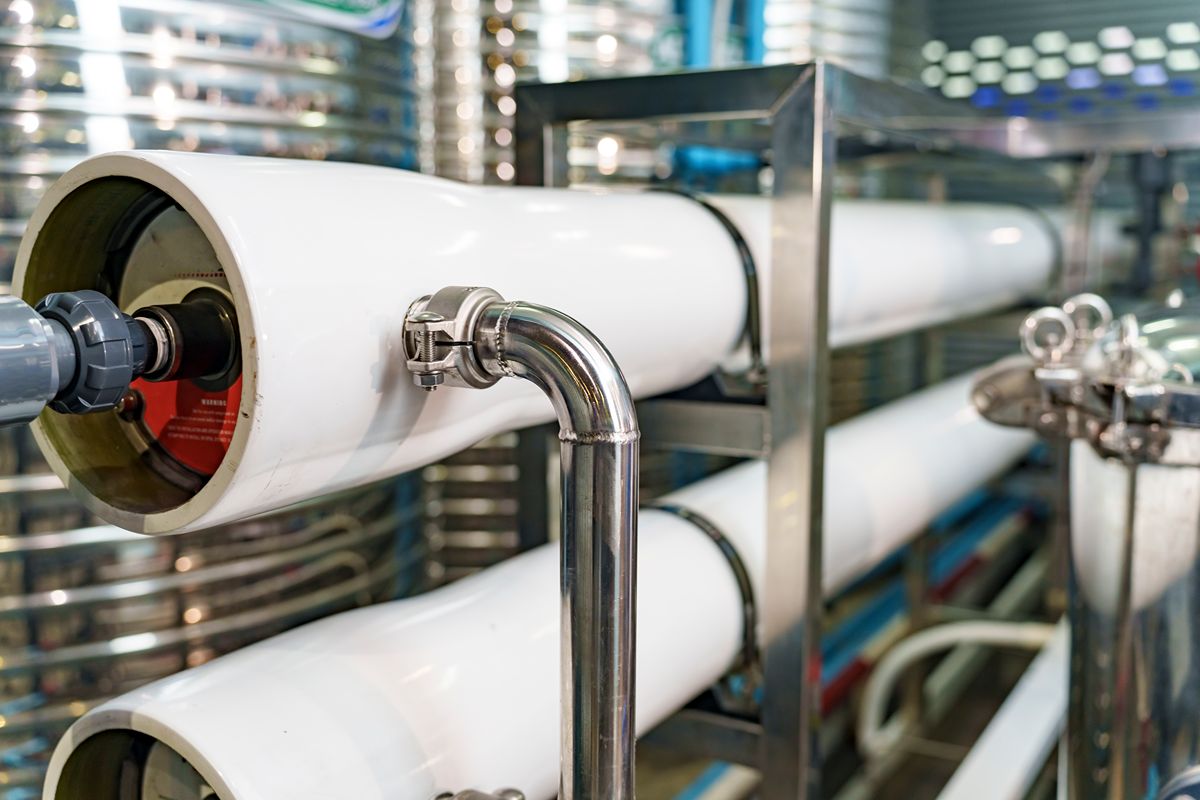
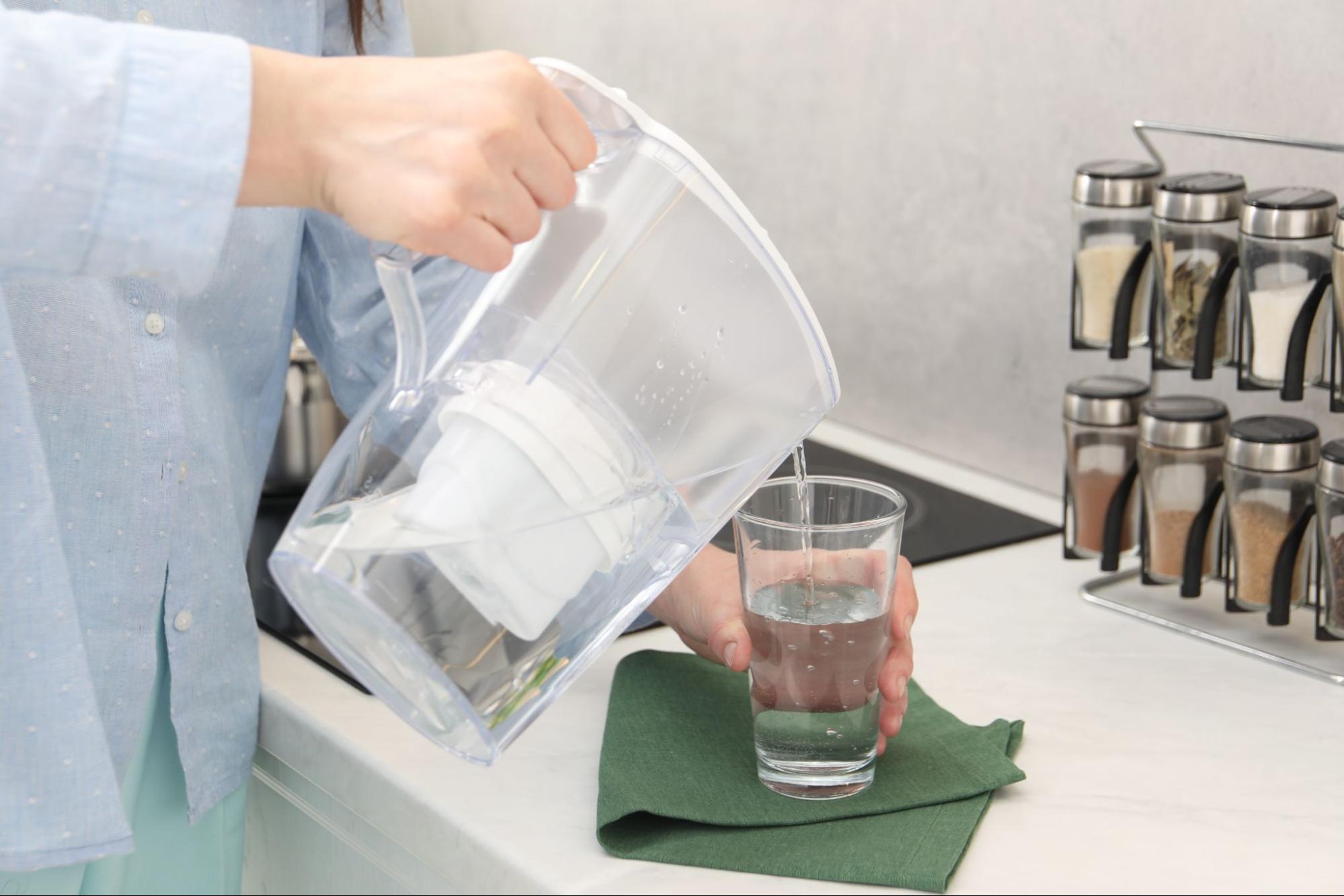
For some startups, commercial filtration may be enough to address sediment, chlorine, and general impurity reduction. For others, reverse osmosis may be more appropriate when the operation requires lower dissolved solids or more tightly controlled water quality.
In facilities with microbial risk or stricter sanitation requirements, ultraviolet treatment may also be worth considering. The right setup depends on your actual process needs rather than a standardized solution.
Wastewater Treatment and Compliance
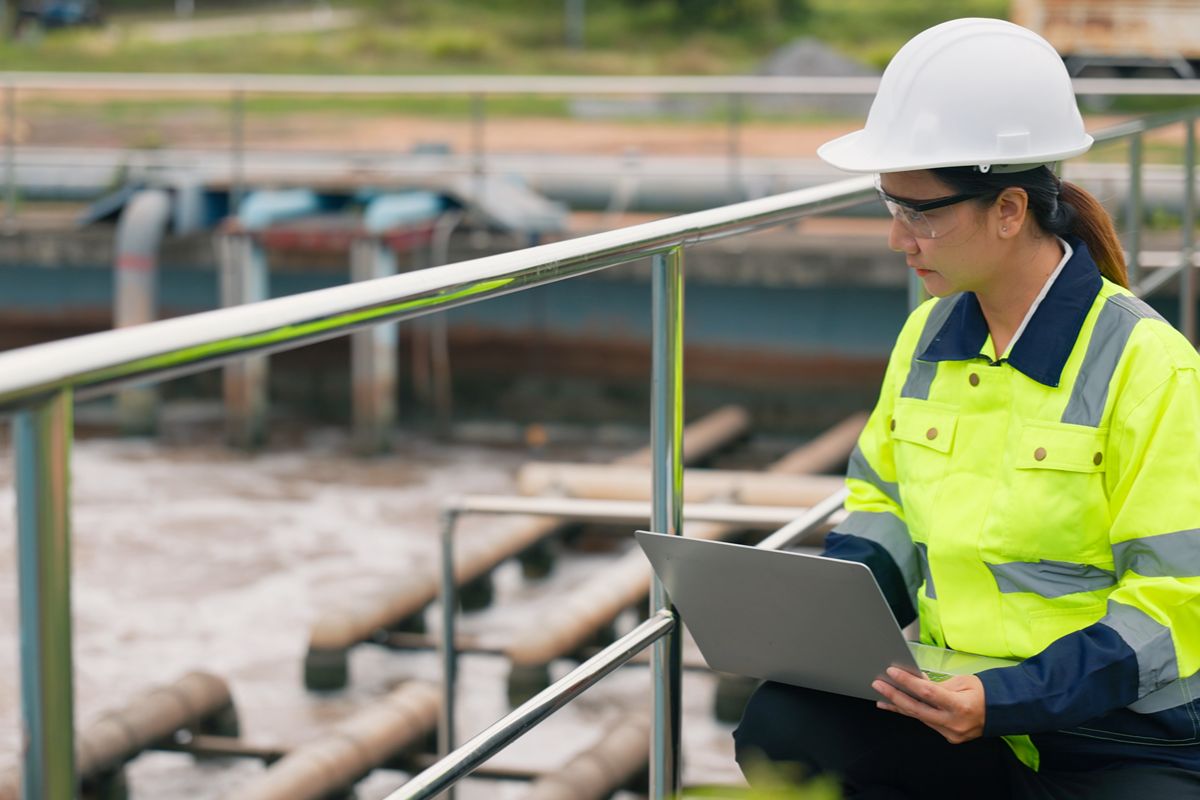
Your startup also needs to plan beyond clean incoming water. Wastewater management should be part of planning from the beginning, particularly for facilities that discharge process water, washdown water, or other contaminated flows.
This matters because wastewater compliance is tied to environmental protection and operating continuity.
For businesses operating in the Philippines, this means meeting the discharge standards set by the Department of Environment and Natural Resources (DENR). CWS Philippines Inc. provides sewage and wastewater treatment solutions designed to help commercial and industrial facilities manage effluent responsibly and stay compliant from the start of operations.
Total Cost of Ownership Planning
Startups often budget for the initial system but forget to plan for maintenance, testing, consumables, and service support. That gap can turn a technically sound system into an ongoing operational burden.
A more practical approach is to evaluate total cost of ownership. This includes filter replacement, membrane replacement where applicable, routine testing, service calls, and any operational effects on downtime, rework, or product consistency.
This is one reason supplier selection matters. Your operation usually benefits more from an appropriately scaled system with dependable support than from a larger system that is expensive to maintain or difficult to integrate into daily operations.
Choose a Partner Who Understands Your Industry
The final consideration is choosing a provider that understands your specific environment. Water treatment for a food manufacturer, metal processor, packaging plant, and beverage startup will not be the same.
CWS Philippines Inc. works with startups and established businesses across the foodservice, manufacturing, hospitality, and commercial sectors. The engagement process starts with a water assessment to identify your source conditions and application requirements, followed by a system recommendation sized to your actual needs. From there, CWS Philippines Inc. handles installation and commissioning, with ongoing support available as your operation scales.
That means you are not just receiving equipment. You are working with a team that understands the operational context behind your water requirements.
Key Takeaway
The water solutions startups need to consider are most effective when addressed before operations begin, not after the first problem appears. Acting early gives your startup a cleaner path to product consistency, equipment reliability, and regulatory compliance.
If your facility is preparing to launch, CWS Philippines Inc. can help assess your water conditions and recommend a solution that fits your application, from commercial water filtration to reverse osmosis and wastewater treatment support.