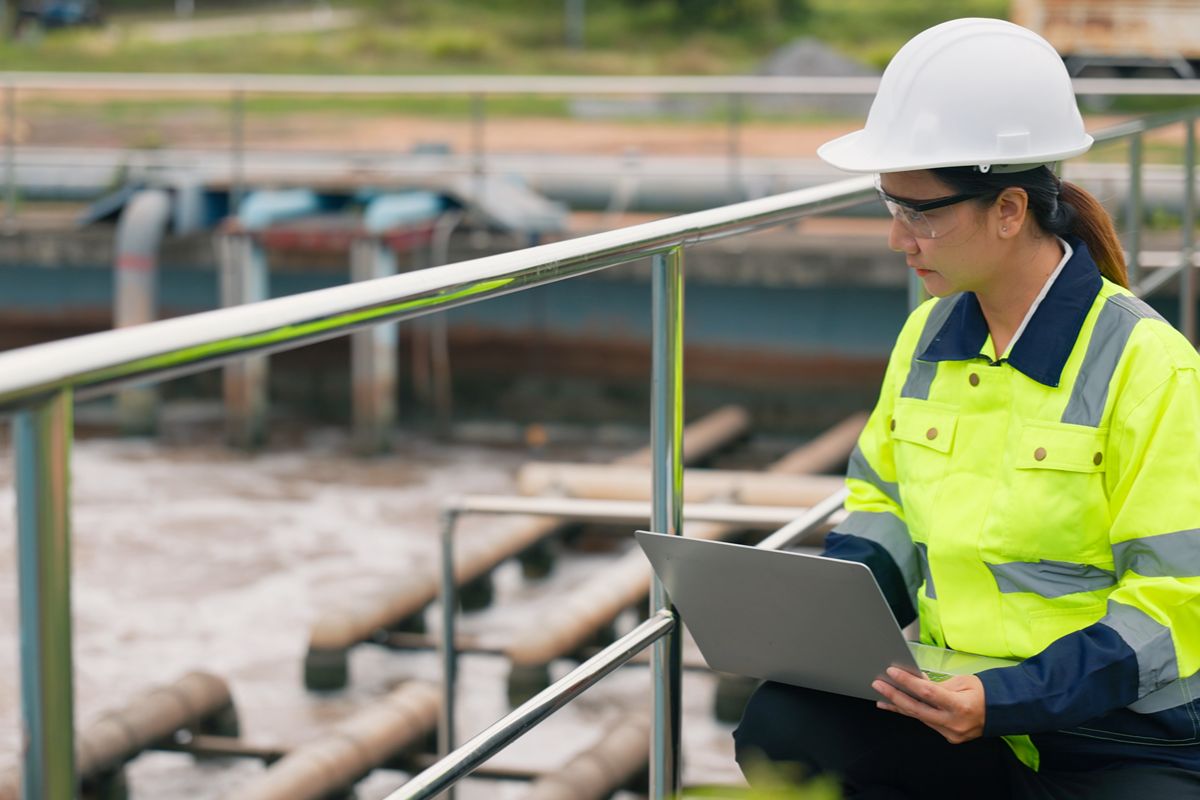
Signs Of Contaminated Output Water In Industrial Systems
Overview
- Industrial systems can experience gradual changes in output water quality that affect performance long before visible failures occur. These shifts may appear through physical changes, equipment inefficiencies, and measurable chemical imbalances that signal deeper system issues.
- This article outlines the key signs that the output water in industrial systems has been contaminated. With early recognition, facilities can identify indicators and respond before issues escalate.
- Proper water treatment approaches, supported by CWS Philippines, can help maintain stable output quality and protect critical operations. Addressing these early indicators with proper treatment strategies helps maintain consistent performance and protect critical industrial processes.
Industrial facilities often focus on production targets, making it easy to overlook subtle changes in water quality. Output water moves through multiple stages of industrial processes, and contamination can develop gradually and go unnoticed until it affects product quality.
To avoid escalating issues, facility teams must recognize the signs of contaminated output water in industrial systems. Early recognition helps prevent widespread damage and supports more stable production.
CWS Philippines, a trusted water filtration provider, supports industrial and manufacturing facilities with water treatment systems designed to maintain consistent output quality. The following sections outline the key indicators that should prompt closer inspections of water quality.
Sensory and Physical Indicators
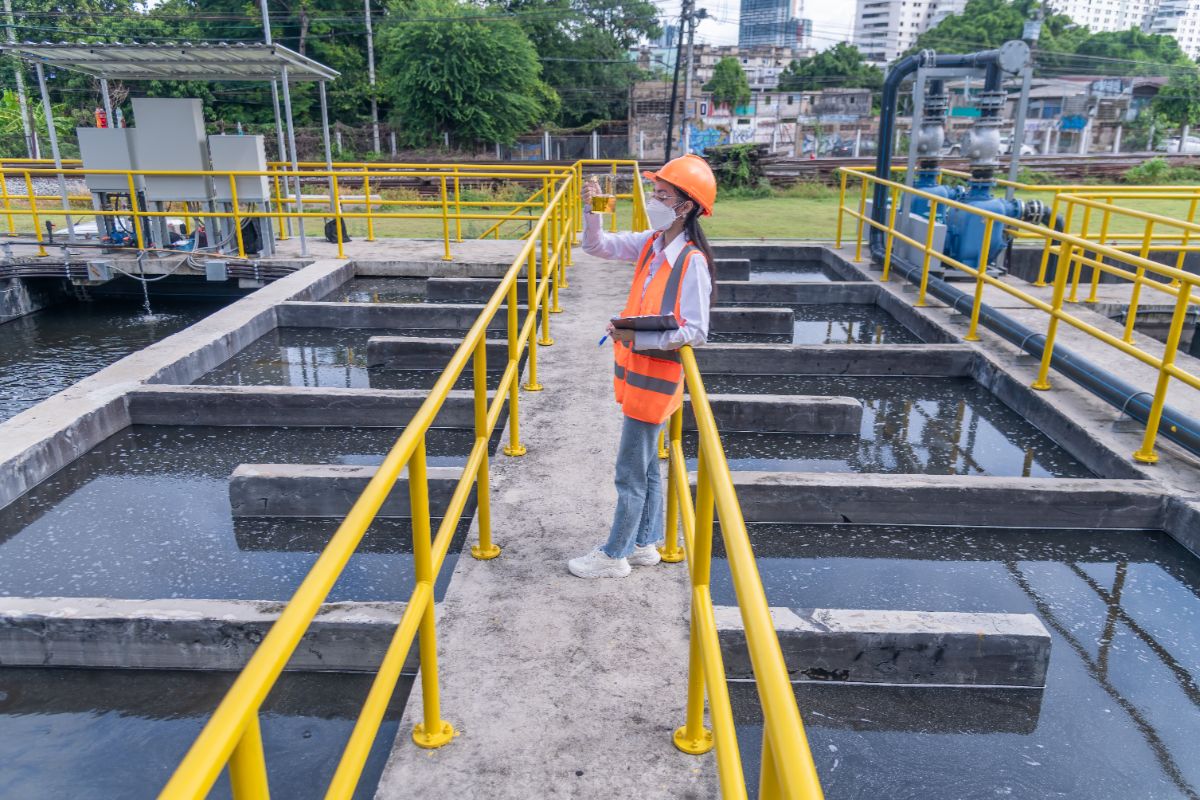
Physical changes in output water provide the first visible confirmation that system quality is no longer stable. These changes typically reflect underlying contamination that has already entered the water stream.
Discoloration and Turbidity
Water that shifts from clear to cloudy or develops visible coloration usually indicates that corrosion byproducts are circulating through the system. These particles may originate from internal pipe degradation, inadequate pre-treatment, or buildup within storage and distribution components. Once present, they tend to persist unless the source is addressed directly.
These changes are not merely aesthetic, as increased turbidity can interfere with downstream processes that rely on consistent water purity and accelerate wear on sensitive equipment. Early identification allows facilities to apply corrective treatment before broader system damage occurs.
Foul Odors
Unusual smells emerging from output water typically point to biological activity or chemical imbalance within the system. Musty odors often signal microbial growth, while sharper chemical odors can indicate treatment inconsistencies from inefficient filtration.
These conditions generally develop inside stagnant zones and poorly maintained sections of the distribution network, then spread through continuous circulation to multiple usage points. Facilities can address this by isolating affected sections and strengthening the treatment system to remove contaminants at the source.
Unusual Taste
A noticeable change in taste can reveal contamination that isn’t immediately visible through appearance alone. Metallic or chemical tastes often indicate dissolved minerals or unwanted contaminants entering the water supply. In facilities where output water is used in food, beverage, or manufacturing processes, these changes can significantly affect product quality.
Facilities should treat taste abnormalities as indicators of underlying water quality issues. Water testing helps determine whether the problem stems from elevated mineral content, chemical contamination, or treatment system deficiencies, allowing facilities to maintain both process consistency and product standards.
Operational and Equipment Symptoms
Water contamination does not always reveal itself through appearance or odor. In many industrial environments, the first sign often appears through declining equipment performance and unexpected operational issues.
Increased Scaling and Corrosion
Growing scale deposits and accelerated corrosion indicate that contaminants are affecting water chemistry. Excessive mineral buildup, such as calcium and magnesium, can accumulate on internal equipment surfaces, while corrosive conditions gradually damage process equipment. Both issues increase maintenance requirements and reduce system reliability.
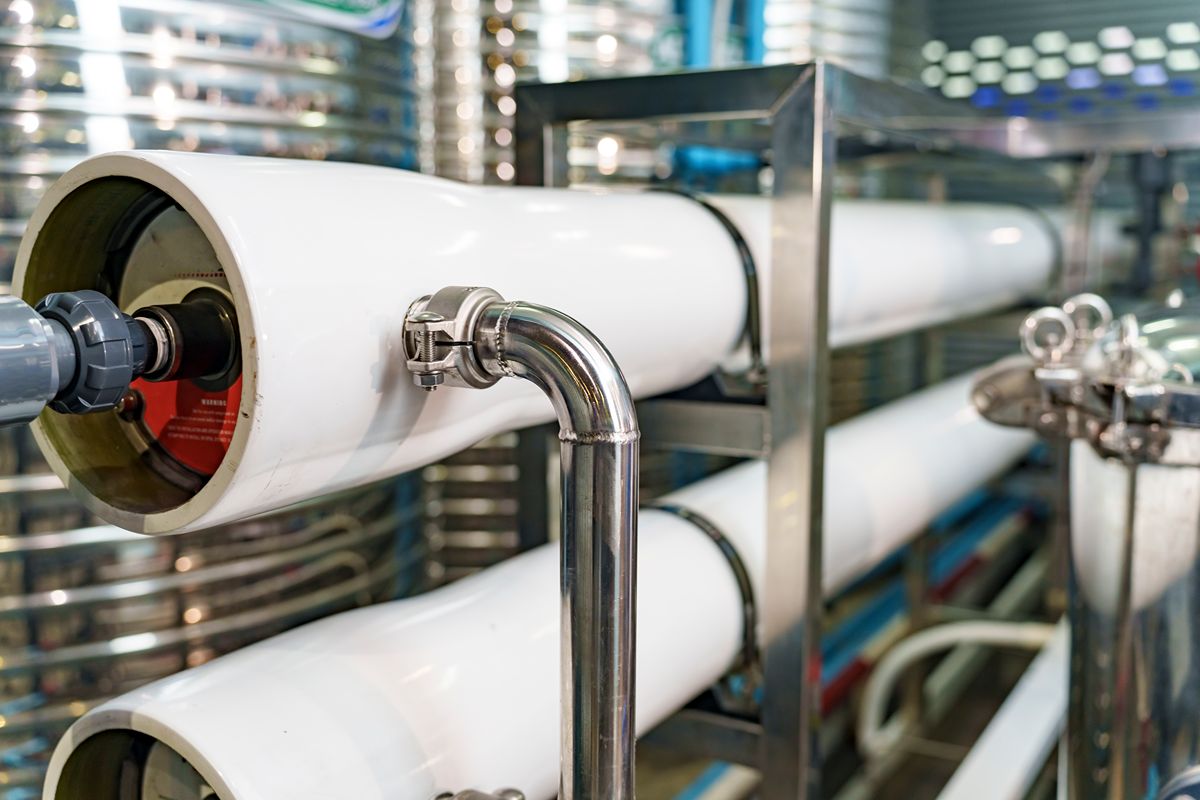
As scaling thickens, heat transfer efficiency decreases and equipment must work harder to achieve the same output. Corrosion adds further risk by weakening components and introducing metal particles into the water stream. To address these conditions, facilities often implement reverse osmosis systems such as CWS Philippines’ Everpure RO solutions, which help eliminate impurities like heavy metals and prevent buildup that could cause irreversible damage.
Reduced System Efficiency
Unexpected declines in operational performance point to unseen water quality problems. Contaminated water can restrict flow rates and force equipment to operate beyond its optimal range, often developing gradually enough to escape notice without close monitoring.
Facilities may notice longer processing times or increased maintenance intervals despite no major changes in production demand. Since water quality directly influences system performance, troubleshooting should include a review of water conditions alongside mechanical checks.
Chemical and Data Parameters
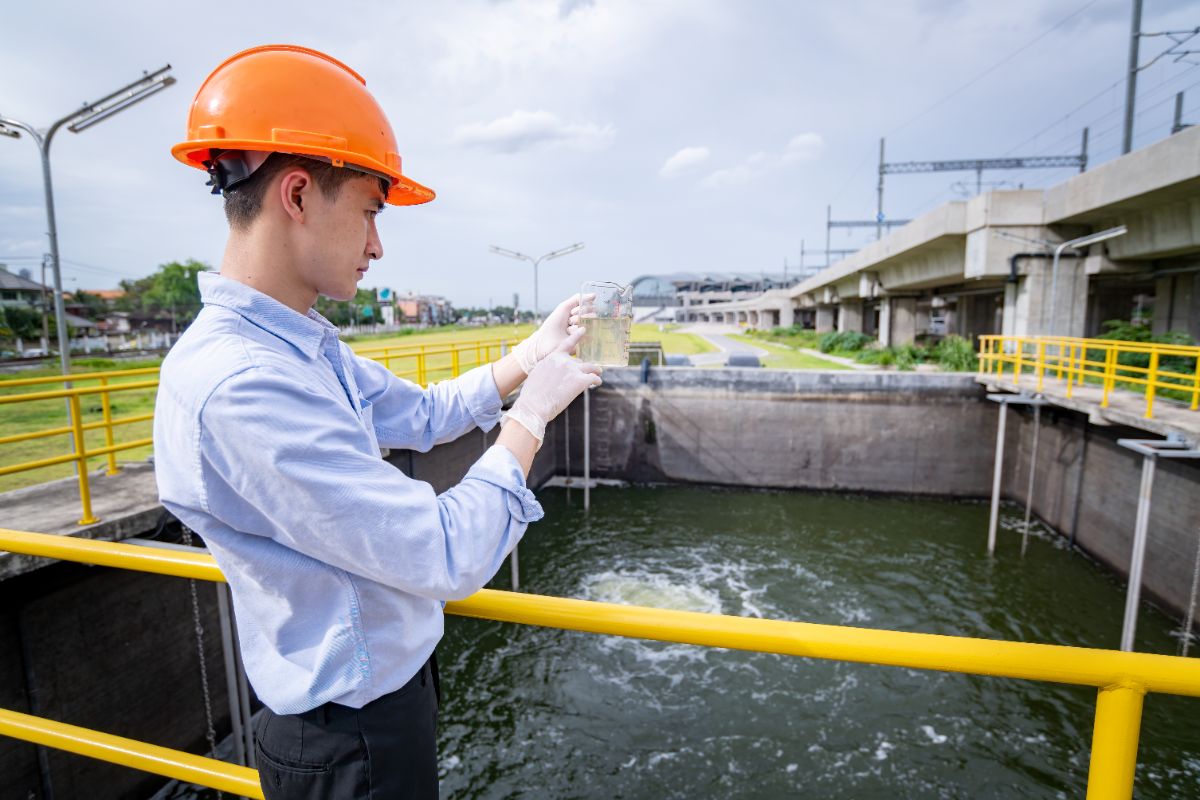
Not all contamination can be detected through sight, smell, or equipment performance. Monitoring water quality data provides a more accurate picture of conditions developing within the system.
Spike in Total Dissolved Solids
A sudden increase in total dissolved solids (TDS) is often one of the clearest measurable indicators of deteriorating water quality. TDS represents the concentration of dissolved minerals, salts, metals, and other substances present in water. Elevated readings suggest that contaminants are entering the system or that existing treatment processes are no longer removing impurities effectively.
High TDS levels can contribute to scaling and reduced equipment performance. Because acceptable levels vary depending on the application, facilities should establish baseline measurements and monitor trends regularly. Consistent tracking allows operators to identify abnormalities before they begin affecting production processes.
Abnormal pH Levels
Stable pH levels are essential for maintaining equipment integrity and process consistency. Water that becomes excessively acidic or alkaline can accelerate corrosion and interfere with industrial operations. Even small deviations from established ranges may signal chemical imbalances within the system.
Regular pH monitoring helps facilities detect developing issues before they cause widespread damage. If abnormal readings become persistent, additional treatment may be necessary to restore water quality and system stability.
CWS Philippines’ advanced water treatment solutions, including reverse osmosis systems, help facilities maintain more consistent water quality by reducing the contaminants that contribute to chemical imbalances.
Key Takeaway
The signs of contaminated output water in industrial systems often appear long before they lead to operational failures. Small but persistent changes in water conditions and machine behavior often indicate underlying issues that are not always easy to identify. By recognizing these signs early, facilities can prevent them from escalating into bigger problems later on.
Ready to find the right treatment solution for industrial processes? CWS Philippines supports industrial facilities with water treatment systems designed to control these risks. Contact us today to learn how the right solution can support long-term operational performance.