6 Ways to Ensure Safe Water Hygiene Protocols in Hospital Facilities
Overview
- Water quality directly affects hospital reliability and patient safety, and CWS Philippines outlines practical steps hospitals can take to strengthen water hygiene protocols.
- Hospitals should invest in filtration systems and continuous disinfection, ensure functional handwashing stations and staff training, and conduct routine water testing and safe wastewater disposal.
- CWS Philippines supports these requirements through specialized water treatment solutions designed for institutional healthcare environments, helping facilities maintain consistent and safe water quality across all critical applications.
It’s long been established that water quality plays a direct role in the overall reliability of hospital processes. Every day, healthcare facilities depend on clean water for sanitation and patient care. If contamination enters the water supply, it can create risks that affect both clinical outcomes and the facility’s performance.
To avoid these issues, institutional management teams must implement different ways to ensure safe water hygiene protocols in hospital facilities. Among these, addressing water treatment is key to reducing contamination risks long before water reaches critical hospital systems.
As a trusted provider of institutional water treatment solutions, CWS Philippines helps healthcare facilities strengthen water quality management and maintain safer environments for patients and staff. Continue reading to learn the practical steps hospitals can take to improve water hygiene standards.
Water Quality and Infrastructure
Strong water hygiene protocols begin with controlling the quality of water entering and moving throughout the facility. Hospitals must establish safeguards that reduce contamination risks before they affect critical healthcare processes.
Invest in Quality Water Filtration Systems
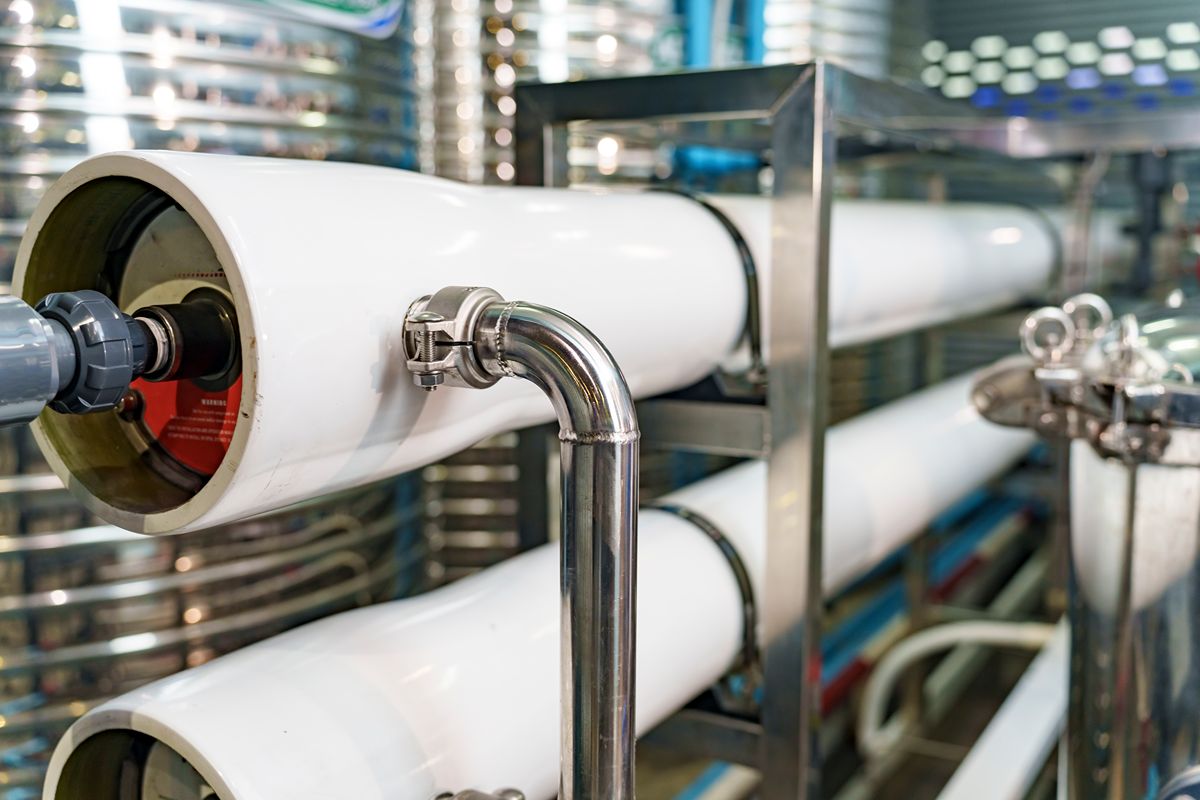
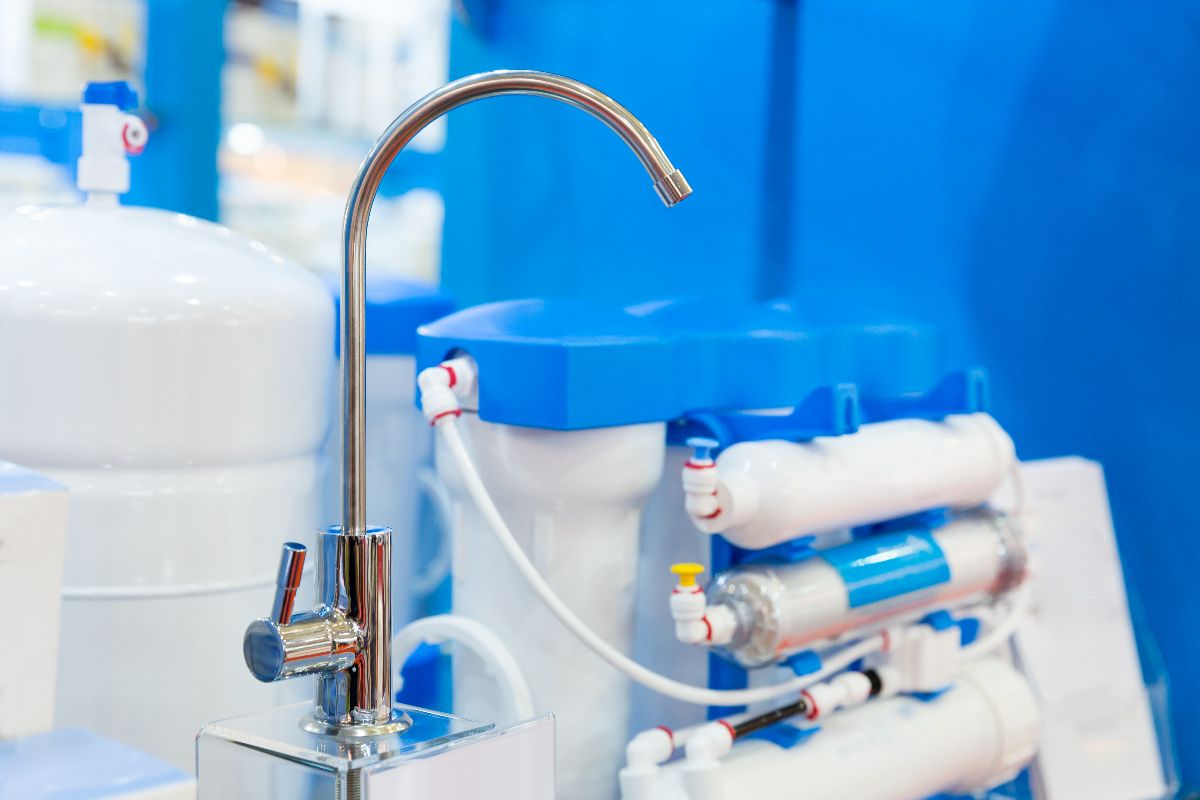
An effective way to improve water hygiene is to invest in filtration units that remove contaminants before they reach critical hospital applications. Water filtration systems help reduce sediment, microorganisms, and other impurities that can affect patient safety and equipment performance. By treating water at the source, healthcare facilities create a stronger foundation for infection prevention and operational reliability.
Selecting the right filtration system requires evaluating the facility’s water source, usage requirements, and risk profile. Areas such as sterilization units and patient care zones often require higher water quality standards than general applications because of their impact on recovery.
Options such as CWS Philippines’ Everpure Reverse Osmosis filters excel at removing a wide range of contaminants, including bacteria and heavy metals, from critical water supplies. These systems help maintain safe water conditions across essential hospital processes.
Conduct Continuous Disinfection
Microbial growth within the distribution system requires ongoing control, not a one-time fix. Even after water enters a facility, bacteria can develop inside pipes and low-flow sections of the network if proper disinfection measures are not maintained. Continuous disinfection helps prevent harmful microorganisms from multiplying throughout the system.
Hospitals should establish disinfection programs that are regularly monitored and documented. This may involve maintaining disinfectant residuals or implementing preventive maintenance schedules for water infrastructure. With a consistent approach to disinfection, hospitals reduce contamination risks and support safer water delivery across all departments.
Hand Hygiene and Point-of-Care Access
Effective infection prevention depends on making clean water readily available where patient care takes place. Hospitals must ensure that both infrastructure and staff practices support proper hygiene throughout the facility.
Ensure There’s Functional Handwashing Basins
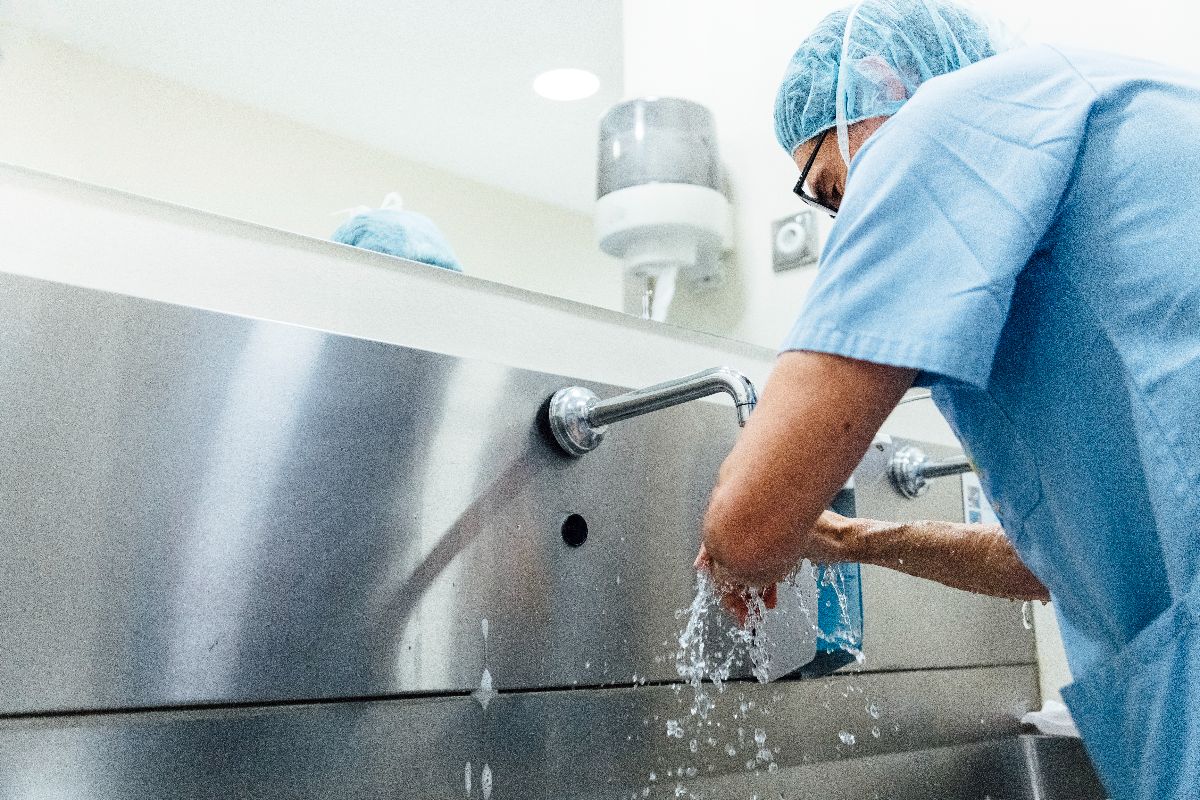
Staff, visitors, and patients all need convenient access to functioning handwashing stations to maintain hygiene standards in hospitals. Hand-to-hand contact remains one of the most common routes of bacterial transmission in healthcare settings. Microorganisms can easily transfer from contaminated surfaces to people, and these can then spread to patients or equipment through routine interactions.
Hospitals should regularly inspect sinks, faucets, and water supply connections to verify proper operation. Handwashing stations should be strategically located in patient care areas and other high-traffic locations where the risk of contamination is higher. Consistent access to clean, running water allows hygiene protocols to be followed without interruption.
Train Staff on Proper Handwashing Techniques
Hospitals must standardize handwashing procedures and strictly monitor compliance with proper handwashing strategies. For example, visual reminders and practical demonstrations can help reinforce proper techniques across departments. This ongoing education strengthens hygiene culture and supports consistent infection prevention efforts throughout the facility.
Healthcare workers interact with patients and equipment surfaces throughout the day, making hand hygiene one of the most important defenses against the transmission of infection. Proper training ensures that staff understand both when and how to perform handwashing correctly to prevent contamination that could affect patients’ well-being.
Monitoring, Testing, and Waste Management
Water hygiene protocols remain effective only when facilities continuously verify performance and address emerging risks. Regular monitoring allows hospitals to identify problems early and take corrective action before they affect operations.
Conduct Routine Water Testing
Routine testing provides the information needed to evaluate whether water quality standards are being maintained. Testing can identify bacterial contamination, chemical imbalances, and other issues that may not be visible during daily operations. Without regular analysis, potential risks can go undetected for extended periods.
Medical facilities must develop structured testing schedules based on their water source and operational requirements. Once results are available, teams must strictly review and document them to improve water purification efforts in accordance with established quality standards. This process allows facility managers to implement corrective measures whenever necessary.
Ensure Safe Wastewater Disposal
Proper wastewater management is an important part of maintaining overall water hygiene within healthcare facilities. Hospitals generate wastewater from laboratories that may contain biological or chemical contaminants. Inadequate disposal practices can create environmental and public health concerns.
Compliance with local regulations and industry standards is essential for the safe and effective management of hospital wastewater. Regular inspections of drainage systems and treatment infrastructure help verify that waste is adequately processed before it leaves the facility.
With a well-managed wastewater program, medical staff supports broader infection control measures while reducing environmental and operational risks.
Key Takeaway
Understanding how to ensure safe water hygiene protocols in hospital facilities positions your institution to meet rising compliance expectations and reduce contamination risk before it affects patient care, turning water management from a routine task into a measurable part of institutional readiness.
With CWS Philippines, establishments gain professional, medically appropriate water filtration solutions that meet strict water quality requirements. Contact us today to learn how we can help strengthen your facility’s water hygiene program.