6 Signs Your Drinking Water Might Be Contaminated and How RO Systems Can Help
Overview
- Drinking water quality can affect the safety and reliability of water supplies in public and institutional facilities.
- This article discusses which indicators show that the water supply is contaminated and how RO systems can help address them before they become significant concerns.
- CWS Philippines provides Pentair Everpure RO solutions designed to address specific water-quality conditions and treatment requirements.
It’s not always easy to tell when a water source has been compromised. Changes in color, taste, or odor can signal a potential problem, but some contaminants can remain undetectable without proper water testing. For public and institutional facilities, recognizing the signs your drinking water might be contaminated and how Reverse Osmosis (RO) systems can help is important for maintaining a safer water supply.
When concerns about water quality arise, facilities need a treatment approach that can address contaminants that may not be visible or noticeable. That’s where CWS Philippines comes in. As a top provider of RO solutions in the country, we provide a practical option for facilities that need greater control over their drinking water quality. Let’s explore the key indicators of a compromised water source.
Signs of Contaminated Water
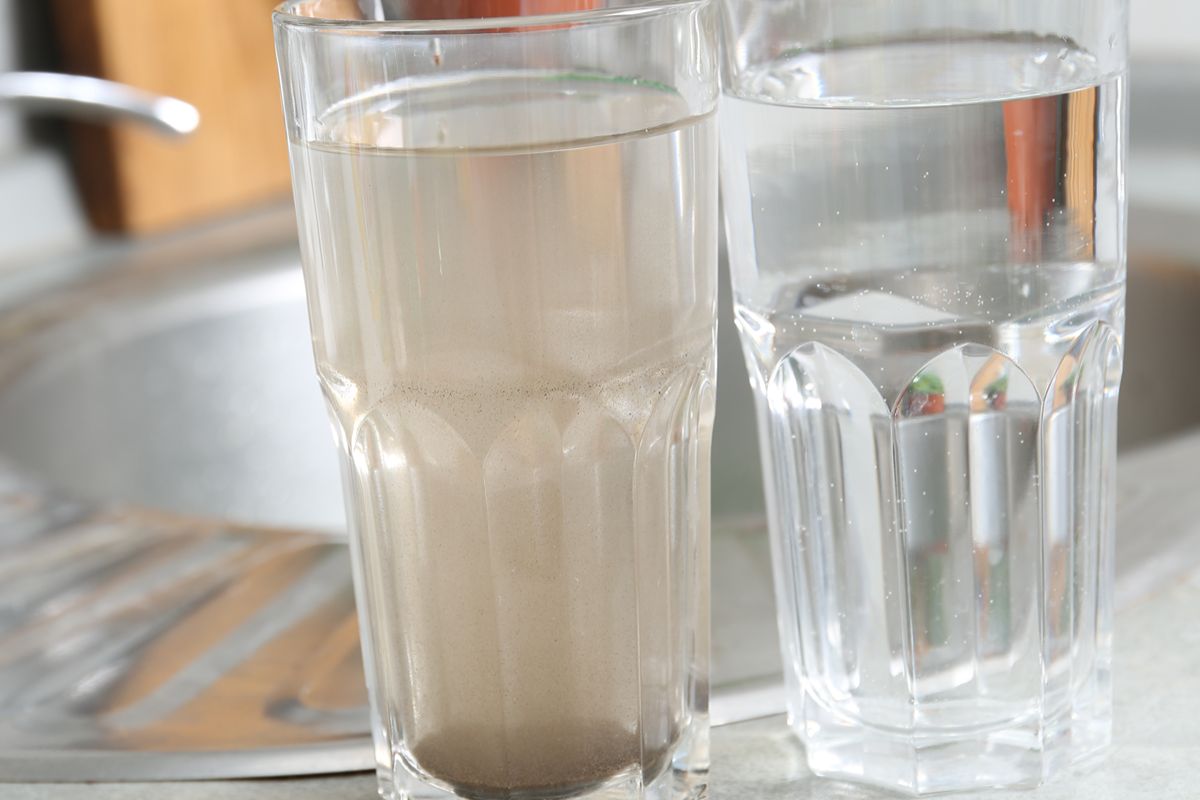
Contaminated drinking water can show noticeable changes that signal a potential problem with the water supply. The following signs can help facility managers identify when water quality may need further investigation or testing.
Strange Odors
An unusual odor from drinking water can indicate a change in its chemical composition or the presence of substances that affect its quality. A rotten-egg smell, for example, can occur when hydrogen sulfide is present, while a strong chlorine odor may result from elevated disinfectant levels. A sudden or persistent change in smell should prompt facilities to investigate the water source and treatment system.
Water treatment systems like reverse osmosis can help identify the substance responsible for the odors and determine where the issue with the water is coming from. This gives facility managers a basis for deciding whether treatment adjustments or other corrective measures are needed.
Discoloration
Changes in water color can indicate that sediments, metals, or other substances have entered the water supply. Brown or reddish water can be associated with iron or sediment. Elements like copper may be present due to poor plumbing conditions, so investigate unusual discoloration with appropriate water testing.
Discoloration can occur after changes in water pressure or disturbances in pipes and storage systems. If the issue persists, facilities should examine both the water source and distribution system to determine where the material is entering the supply.
Odd Tastes
Contamination can also show up as unusual flavors. Minerals, metals, and residual disinfectants can affect how water tastes, especially when their concentrations or distribution-system conditions change. Unfamiliar tastes do not automatically mean the water is unsafe, but a persistent change should not be dismissed.
For facilities, recurring taste complaints provide an early indication that the water supply needs closer attention. Comparing the change with recent source-water conditions or treatment performance can help narrow down where the issue may have developed. Water analysis can then determine what is actually present and if existing treatment processes can adequately address them.
Visible Particles
Clear drinking water should not contain noticeable particles, so sediment or other material floating in a glass warrants immediate checking. Mineral deposits and other suspended matter can become visible when material is disturbed within pipes or storage tanks or enters with the source water. The appearance of these particles can offer clues about a problem within the distribution system.
Facilities may need to inspect tanks and filtration equipment to determine where the material is entering the supply. Removing suspended particles through appropriate pre-filtration can help protect downstream treatment equipment and improve the physical quality of water before it reaches the public.
Staining
Persistent stains on different fixtures can indicate elevated levels of certain minerals or metals in the water. For example, orange or reddish marks on sinks and faucets commonly point to deteriorating iron. These substances can accumulate on surfaces as water repeatedly passes over them, leaving deposits that become difficult to remove.
To address this, facilities can have the water tested to identify the substances responsible and determine their concentrations. The results can guide the selection of filtration or treatment needed to reduce those substances and prevent recurring deposits.
Health Symptoms
Unusual health symptoms among people who use the same drinking water can raise concerns about possible contamination. Waterborne pathogens such as E. coli and Giardia can cause diarrhea and abdominal pain after exposure. These symptoms can worsen depending on the amount of exposure, so it’s imperative that facilities put appropriate measures in place to prevent contamination from affecting public health.
If several people develop similar symptoms after using the same water supply, the facility should investigate potential sources of exposure and arrange appropriate water testing. Water filtration can provide an added safeguard by reducing specific contaminants identified in the supply.
How Reverse Osmosis (RO) Systems Help
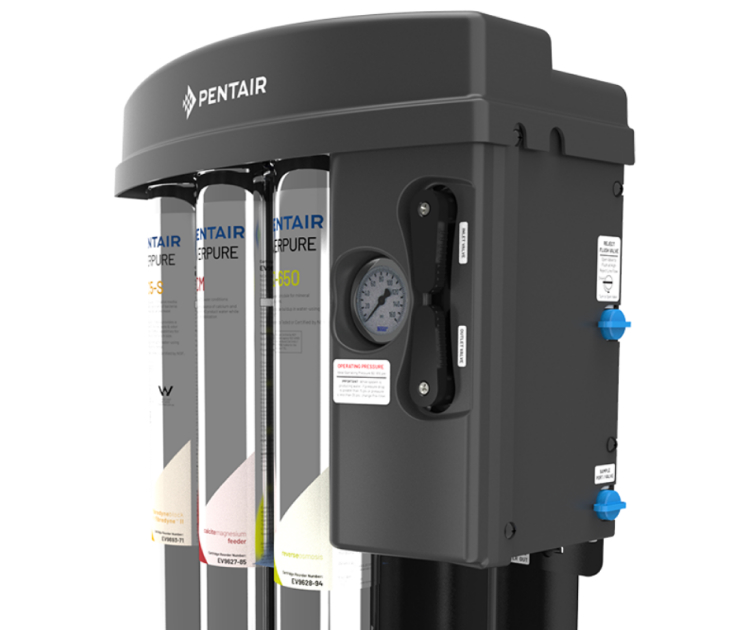
While regular filtration can reduce many contaminants, some substances are difficult to detect because they have no noticeable oddities. At CWS Philippines, we provide Pentair Everpure reverse osmosis solutions that can reduce many dissolved contaminants that conventional filters may not adequately address.
RO filtration solutions offer the following advantages:
Multi-stage Filtration
RO systems use multiple filtration stages to progressively treat water before it reaches the membrane. Sediment and carbon filters can remove particles and reduce chlorine that could interfere with RO membrane performance. This layered process helps the system address different impurities and maintain more consistent treated-water quality.
Removes Heavy Metals
Dissolved metals such as lead and mercury can pass through some conventional filters, but an RO membrane restricts many of these contaminants from entering the treated-water stream. The filter forces the water through the semipermeable membrane under pressure, leaving a concentrated portion of rejected substances behind.
Filters Chemicals
Many chemical contaminants remain dissolved in water, making them difficult to capture through basic sediment filtration. RO addresses these substances through membrane separation, which can reduce a range of dissolved contaminants based on their characteristics and the membrane’s rejection capability.
Blocks Microbes
RO membranes have very small pores that restrict the passage of many bacteria during the filtration process. As pressurized water moves through the membrane, microorganisms and other larger contaminants are retained on the feed-water side. This helps reduce microbial contamination and provides an additional treatment barrier for drinking water.
Improves Taste and Odor
Unpleasant tastes and odors can come from dissolved substances in the source water. RO treatment reduces many of these dissolved substances as water passes through the membrane, producing cleaner drinking water.
Key Takeaway
Recognizing the signs your drinking water might be contaminated and how RO systems can help gives facilities a clearer basis for addressing potential water-quality concerns. By identifying indicators that may affect water quality, facility managers can determine which water treatment solution is needed to provide safer drinking water overall.
At CWS Philippines, we provide Pentair Everpure RO solutions designed around facilities’ specific water-quality conditions and requirements. Contact us today to explore the right water treatment approach for your facility.