How Water Contaminants Affect Public Health
Overview
- Water contamination can expose people to pathogens, heavy metals, and other substances that may cause immediate illness or long-term health effects.
- Public and institutional facilities can reduce these risks by identifying contamination sources and selecting treatment systems suited to their water supply.
- When properly designed for the application, reverse osmosis can provide an additional treatment barrier against many dissolved contaminants and other impurities.
- CWS Philippines offers Pentair Everpure reverse osmosis solutions for facilities that need reliable water treatment based on their specific requirements.
Schools. Hospitals. Government buildings. Every day, people depend on these facilities to provide clean water. When that water contains harmful contaminants, it can expose the population to dangers through drinking and food preparation. The resulting health risks can range from acute illnesses to more serious consequences for public safety.
For facility managers, recognizing how water contaminants affect public health is essential to protecting the people they serve. Contaminants cause immediate or cumulative health effects depending on the level of exposure.
With solutions such as Reverse Osmosis (RO) filters, facilities can quickly identify and resolve contamination before it causes significant harm to people’s health. Continue reading to learn more.
Biological Contaminants (Microbes and Pathogens)
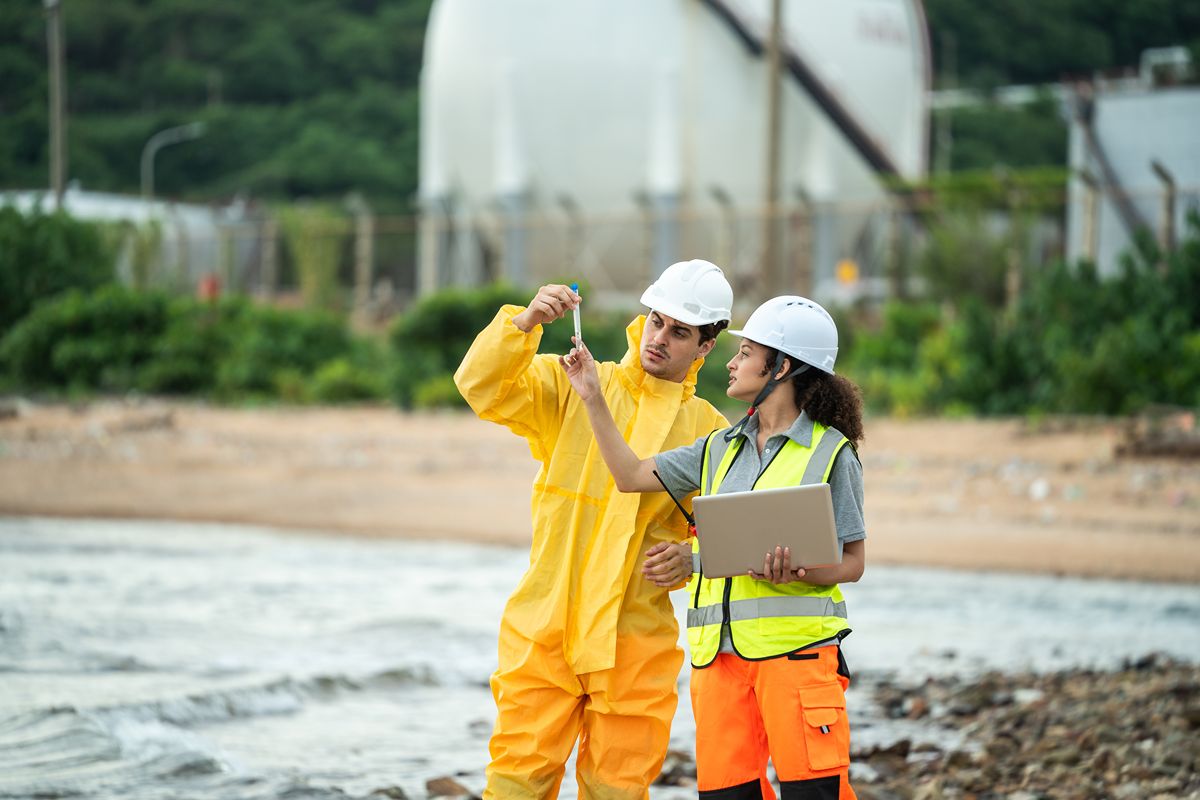
Biological contaminants can turn water into a source of infection when disease-causing microorganisms enter the supply. Their presence calls for immediate solutions in places where contaminated water can expose many people through routine use.
Sources
Microbes and pathogens can enter water when human or animal fecal waste reaches water supplies through sewage leaks or inadequate sanitation. This can introduce disease-causing organisms such as E. coli or Giardia into water, which cause gastrointestinal infections and other waterborne illnesses. People can be exposed by drinking contaminated water or using it to prepare food.
Sewage systems become sources of contamination, especially if wastewater leaks into nearby water sources. In the first quarter of 2023, the Department of Health recorded a 101% increase in acute bloody diarrhea cases compared with the same period in 2022, citing water-supply issues as a main factor behind the rise.
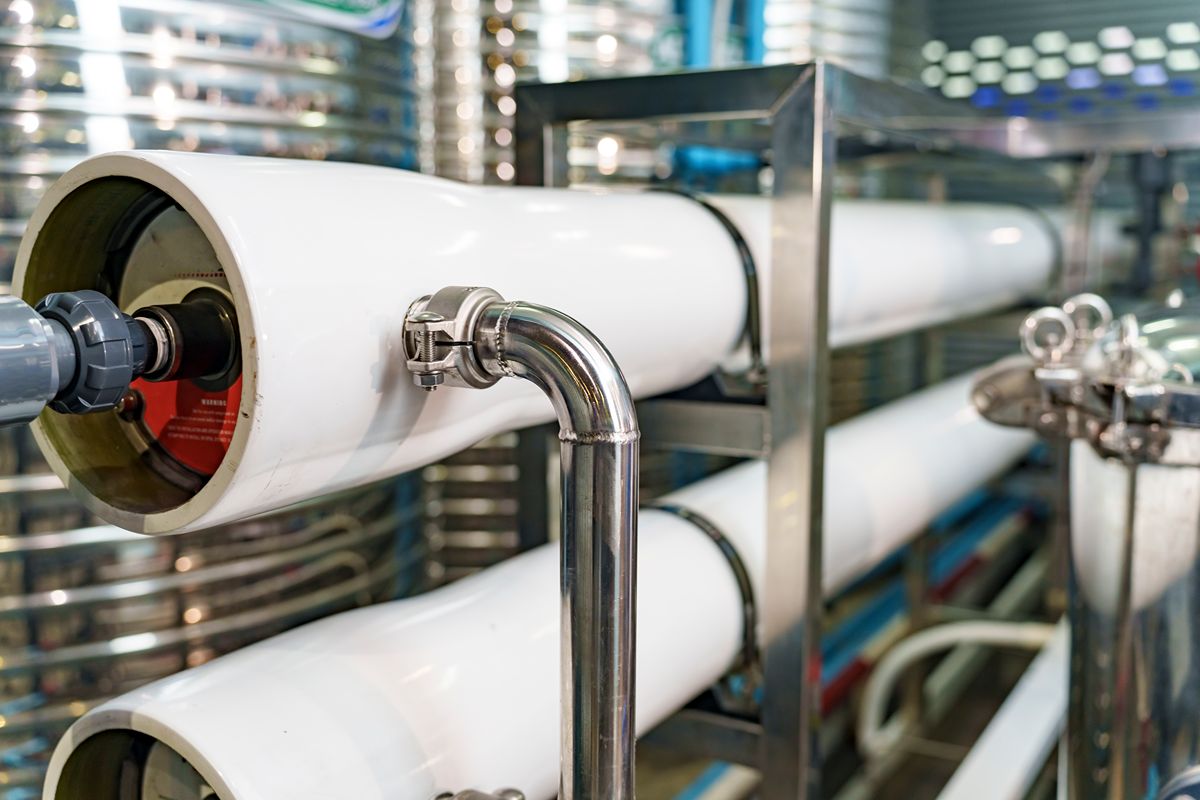
Reverse osmosis (RO) systems help address these risks by forcing water through a semipermeable membrane that removes microorganisms and contaminants, making them useful as part of a properly designed treatment system.
Immediate Risks
Exposure to contaminated water can cause acute gastrointestinal illness when disease-causing microbes enter the digestive system. Pathogens such as E. coli can cause abdominal pain and fever, while Vibrio cholerae can lead to severe watery diarrhea.
The severity of illness depends on the pathogen and the amount of exposure a person receives. Some infections may resolve with supportive care, but some illnesses can become serious when treatment is delayed.
Severe Outcomes
Severe diarrhea and vomiting can cause rapid loss of water and electrolytes, leaving the body unable to maintain normal fluid balance. Without timely treatment, severe dehydration can reduce blood volume and interfere with vital organ function.
These effects can become particularly dangerous for infants and young children, the elderly, and people with weakened immune systems. They also become a broader public health concern when many people use the same untreated water source.
Chemical and Mineral Contaminants
Water can carry chemical substances and minerals that become health concerns when their concentrations exceed safe levels. Unlike microbial contamination, some of these hazards may remain unnoticed because they affect people through repeated exposure.
Sources
Unlike biological contaminants, chemical and natural contaminants enter the water through natural deposits and aging infrastructure. Lead, for example, can leach from corroding pipes, while arsenic may occur naturally in groundwater and enter supplies through industrial activities.
Agricultural areas can contribute nitrates when fertilizer and animal waste reach surface water. Industrial processes can introduce harmful substances such as mercury and other chemicals, making source protection especially important for facilities that depend on vulnerable water supplies.
Short-Term Exposure
High concentrations of certain chemical contaminants can cause noticeable health effects even after short exposure. Excessive nitrate levels are especially dangerous for infants, as they cause frequent concerns around methemoglobinemia, more commonly known as blue baby syndrome. This occurs when nitrate in contaminated water or milk interferes with the blood’s ability to carry oxygen.
Other contaminants can produce different effects depending on the substance and exposure level. A single high exposure may cause acute reactions and neurological effects, making prompt identification critical when water quality changes.
Long-Term Exposure
Repeated exposure to smaller amounts of certain contaminants is just as dangerous to public health. Long-term lead exposure, for instance, can impair cognitive development and gradually damage internal organs.
In the Philippines, environmental lead exposure has been documented as a concern in communities affected by mine spills and battery-recycling activities. Regular water testing and appropriate treatment can help reduce potential exposure before contamination becomes a persistent health risk.
Where to Find a Reverse Osmosis Filter in the Philippines
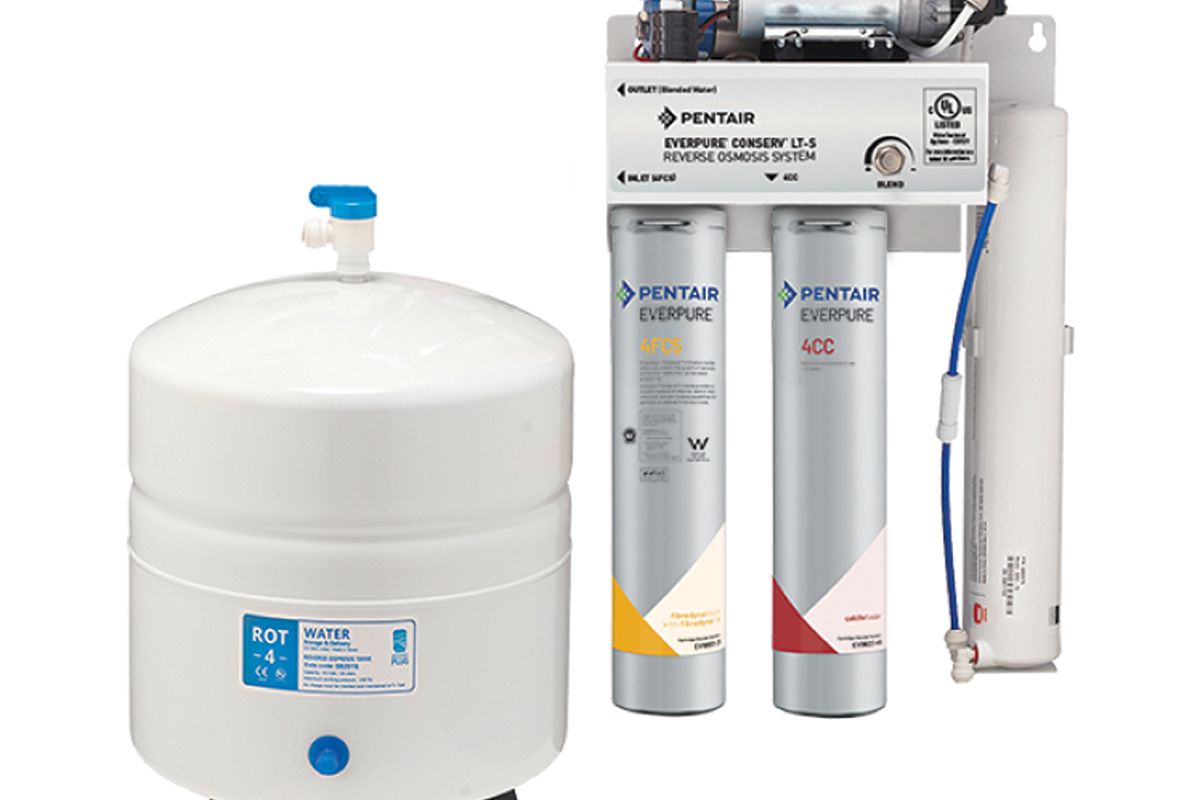
Facilities looking for a reverse osmosis filter in the Philippines can turn to CWS Philippines for professionally designed water treatment solutions. As the exclusive distributor of Pentair Everpure in the Philippines, CWS provides systems suited to commercial and institutional applications where consistent water quality is essential.
Pentair Everpure reverse osmosis systems use membrane filtration to remove dissolved solids and other contaminants before water reaches drinking and operational points. Our professional team can assess your treatment requirements and daily demand to help determine the right RO configuration for your operations.
Key Takeaway
For public and institutional facilities, water quality is tied closely to the responsibility of protecting everyone who uses the premises. Knowing how water contaminants affect public health can guide better decisions about the safeguards needed for a dependable water supply.
With CWS Philippines as your top provider of reliable water filters, you can assess exactly what your facilities need for safe, secure operations. Contact us today to find solutions suited to your clean water sourcing needs.