What is the Difference Between a Water Purifier and Reverse Osmosis?
Overview
- Both water filtration solutions aim to make your water safer, but they go about it in different ways. Purifiers are great for targeting bacteria and other microbes, while RO systems take it a step further by filtering out chemicals and dissolved solids.
- Choosing between the two depends on the kind of water issues you face and the setting in which it will be used. Some businesses may benefit from using both together. CWS Philippines offers both solutions to meet your business’s needs for clean water.
- Understanding these differences helps ensure you choose the right solution for consistent, safe, and high-quality water, whether at home or in commercial spaces.
Water purifiers and reverse osmosis (RO) systems share the same purpose—to make water safer and healthier for consumption. However, they still differ when it comes to function, maintenance, and efficiency.
Understanding the differences between a water purifier and a reverse osmosis system is essential, especially for businesses that have water as a central element in their operations.
At CWS Philippines Inc., we help you make confident decisions by offering water filtration system options that suit your needs best. Whether you’re upgrading existing systems or starting fresh, we carry the trusted technologies you need to ensure safe water quality. Read on to learn more.
Water Purifier vs Reverse Osmosis: What are Their Differences?
Purifiers focus on disinfecting water, while reverse osmosis filters out a broader range of impurities. Here are some key differences worth considering before making your choice.
Filtration Method
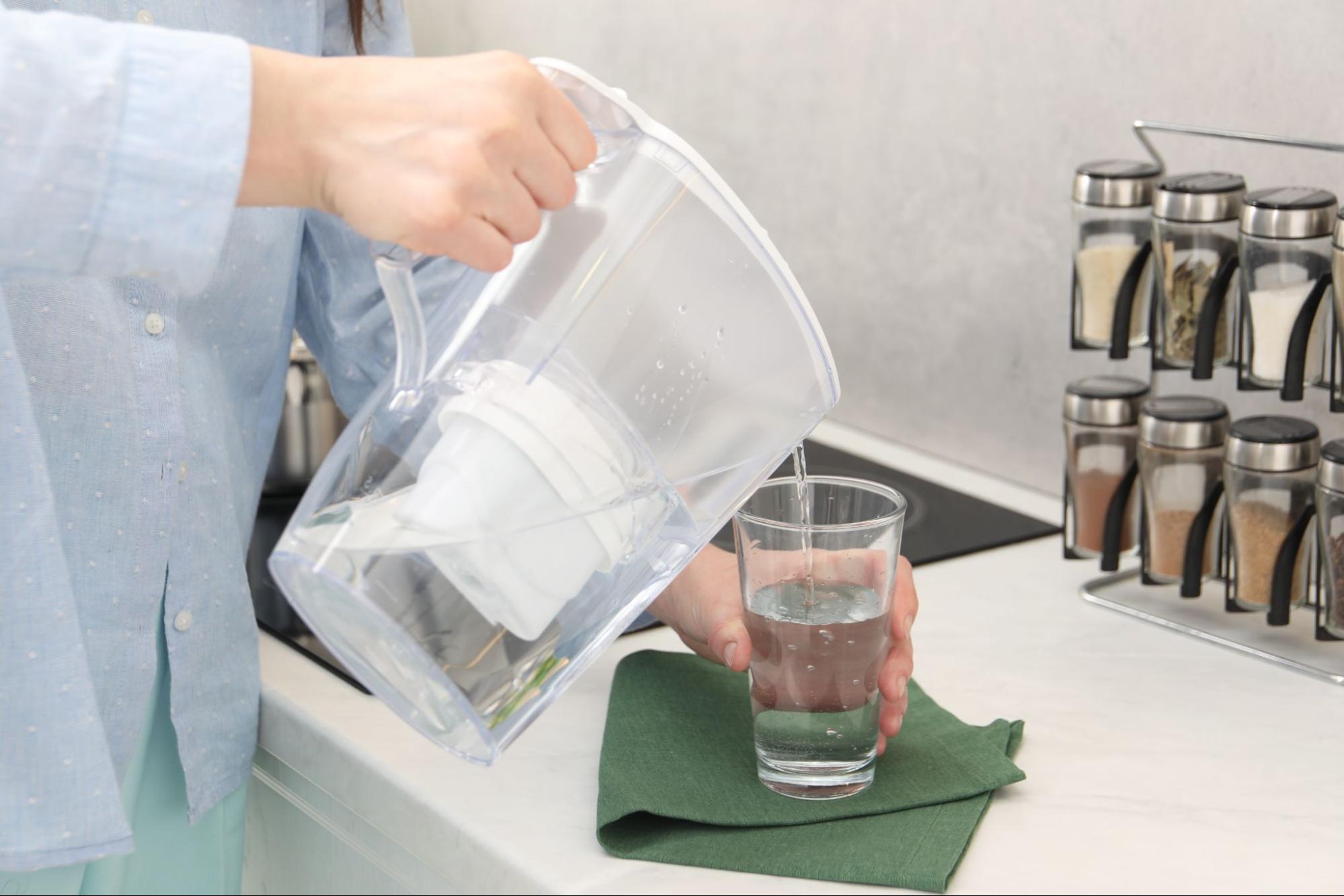
Water purifiers that rely on Ultraviolet (UV) light use high-frequency UV rays to neutralize harmful microorganisms in water, making it microbiologically safe. This method is fast, chemical-free, and effective against bacteria and viruses—but it does not remove dissolved solids, heavy metals, or chemical contaminants.
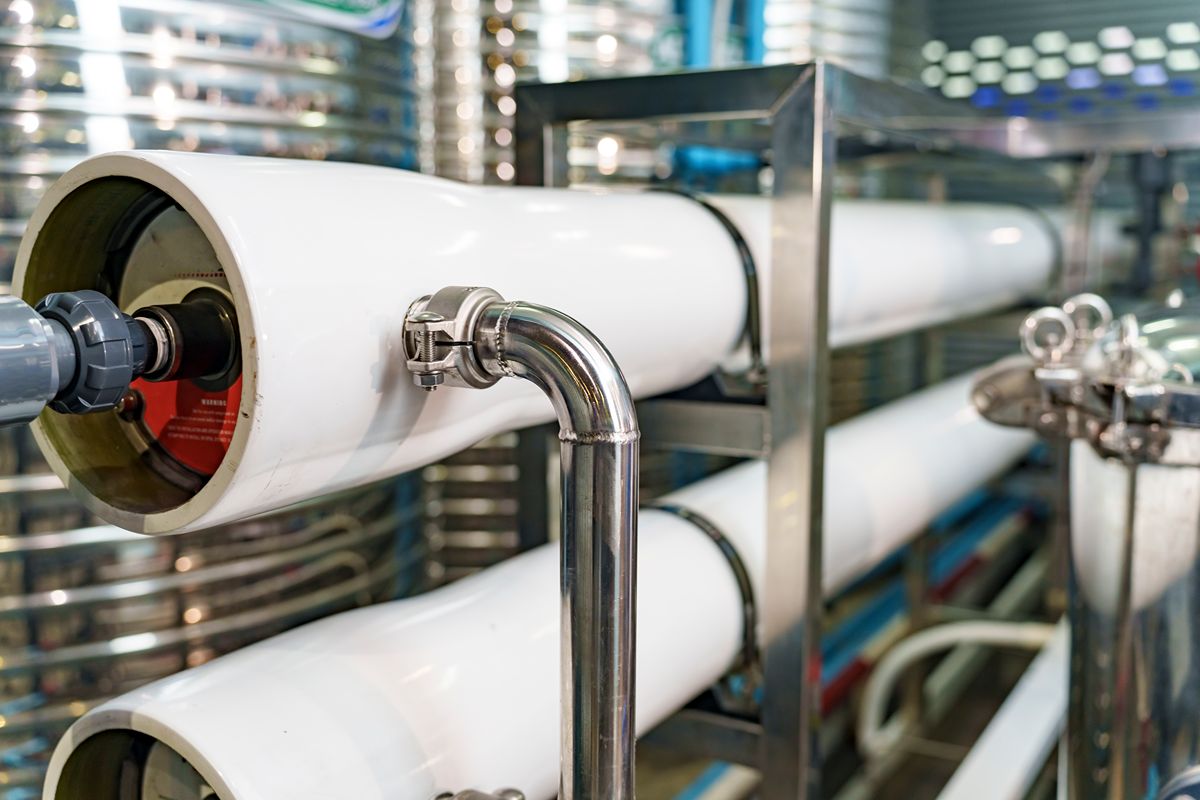
In contrast, RO systems like Everpure Filtration use a semi-permeable membrane to physically block contaminants. These systems go through multiple stages of filtration to remove salts, minerals, and heavy metals, making them ideal for businesses with stricter water purity requirements, such as hospitals, laboratories, or manufacturing facilities.
CWS Philippines Inc. offers both UV and RO water filtration solutions—ensuring you get the right system for your specific needs, whether it’s for microbial control or comprehensive purification.
Contaminant Removal
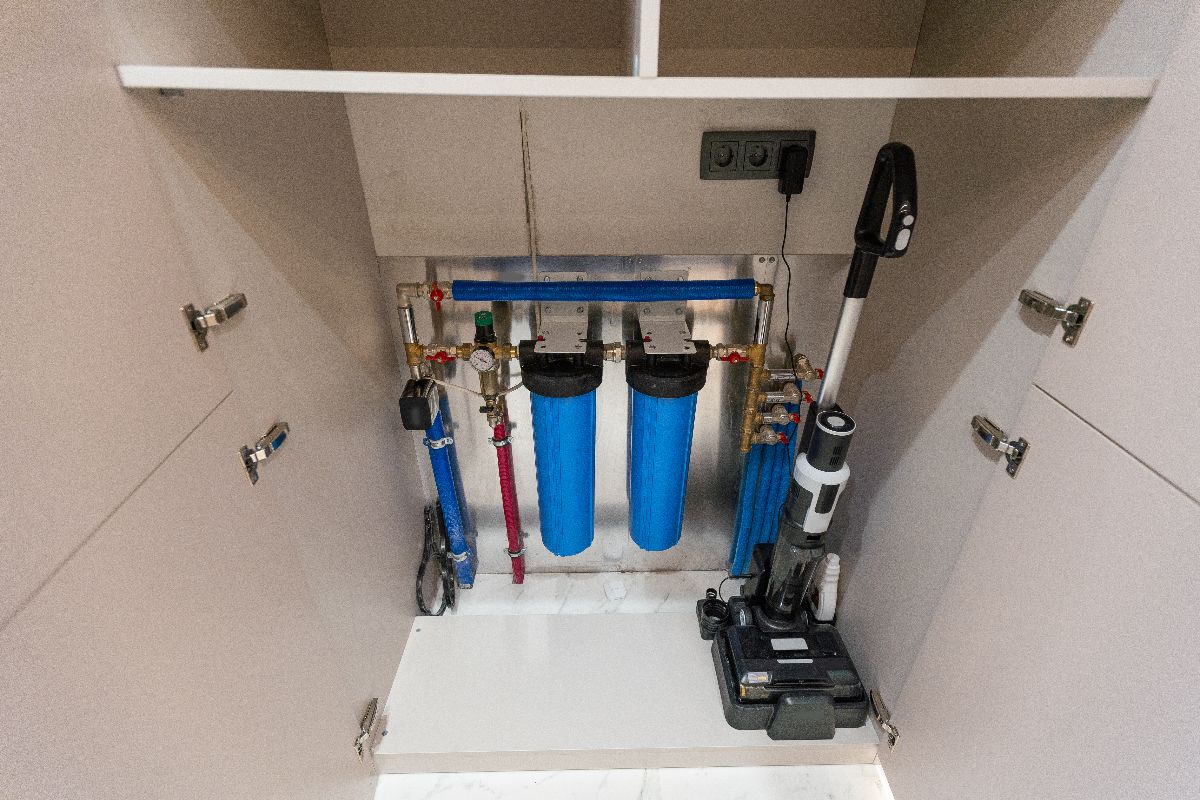
What water purifiers are best at is disinfecting water by targeting harmful microbes like E. coli and Giardia, both of which pose threats to human health. However, their effectiveness largely depends on the method used. UV systems don’t remove sediments, while carbon filters may not capture smaller compounds.
RO systems, on the other hand, are best fit for removing chemical substances like lead, sulfates, and other dissolved inorganic solids. Their membrane acts as a barrier to molecules larger than water, which means even microscopic contaminants are left behind.
Water Processing Style
These two differ in both how they process water and the speed at which they achieve it. Water purifiers process water quickly, while RO systems require a more involved process.
UV systems, for example, disinfect water almost instantly as it flows past the UV light source. This makes them ideal for point-of-use applications like kitchen sinks or single-line connections where quick purification is a must.
With RO solutions, water is pressurized through several filtration stages, including slow membrane passages. Despite its low speed, it reliably ensures thorough purification. They’re especially useful in cafes and restaurants—establishments that frequently serve water to customers for consumption.
Taste and Mineral Profile
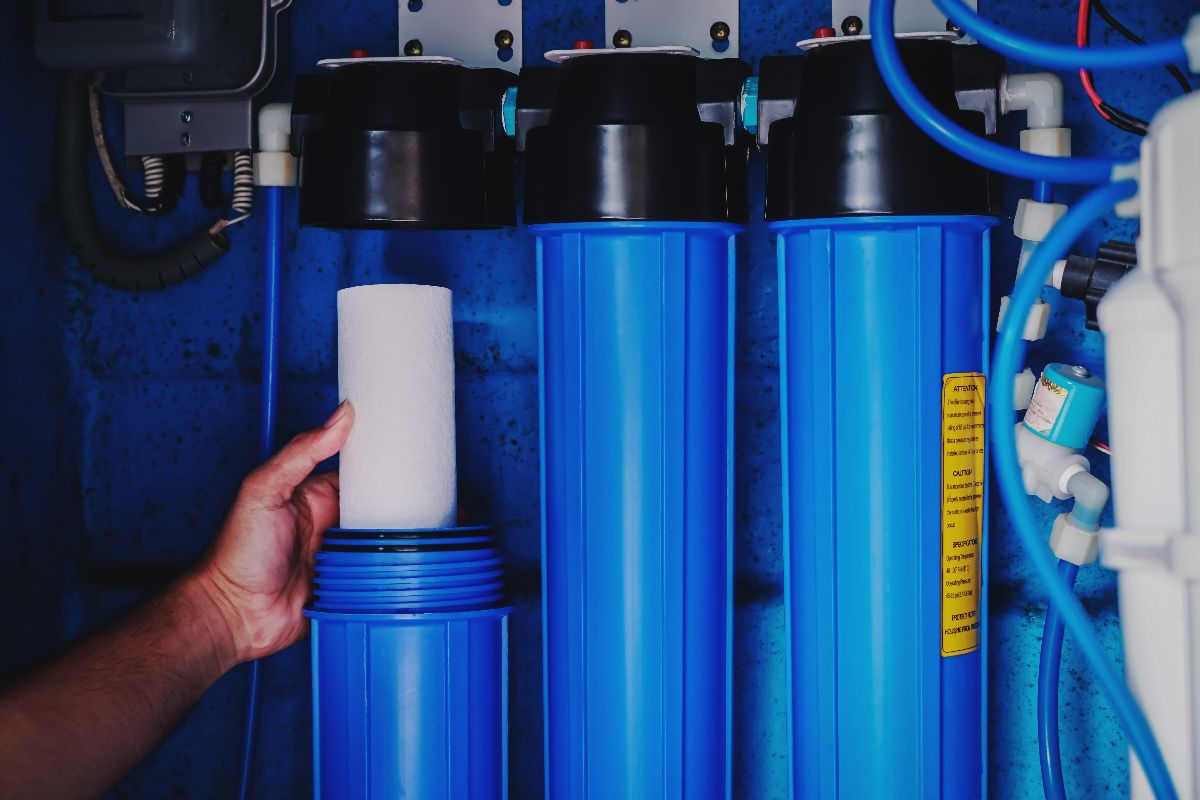
Purified water retains the mineral content of the source water, which some people prefer for taste. However, this also means that if the water contains unwanted dissolved substances, they might go undetected. In some cases, minerals like iron or manganese can also affect how they test.
Water from reverse osmosis strips away most minerals, encouraging a healthier, balanced amount in the body. The water is cleaner, but may taste flat or bland to some. Options like Everpure Filtration allow operators to include beneficial minerals in the water in controlled amounts to optimize flavor and hydration.
Best Use Case
Restaurants. Cafes. Bars. In all these settings, water purifiers are the go-to option. Microbial contamination is the primary concern for these places, since they’re where food and drinks are most often prepared to be consumed. UV or carbon systems are useful for purifying drinking water for commercial spaces.
RO solutions are ideal in areas where the water sources are prone to chemical contamination. These include food manufacturing properties and clinics that need consistently sterilized water for sensitive tasks like mixing baby formula or preparing ingredients that need strict quality control.
Key Takeaway
There are several key differences between water purifiers and reverse osmosis systems, but they both serve the same role at the end of the day: to make water safe and healthy for use and consumption. They can be relied on based on their best use case, but they can also be used in tandem to ensure optimal safety.
CWS Philippines offers excellent water filtration solutions designed to help businesses meet the highest standards of safety. Contact us today to learn how these filtration technologies can work together in your operations!