How Water Filters Improve Kitchen Operations
How water filters improve kitchen operations?
- Protect kitchen equipment from scale and premature wear
- Improve food and beverage taste consistency
- Reduce maintenance issues and operational disruptions
- Support more efficient utility use
- Help maintain water quality and food safety standards
Overview
- Water filters improve kitchen operations by protecting equipment, supporting consistent food and beverage quality, and reducing the operational strain caused by untreated water.
- For commercial kitchens, filtered water helps minimize scale buildup, lower maintenance frequency, and improve the performance of equipment like ice machines, coffee machines, dishwashers, and water heaters.
- With reliable water filtration solutions from CWS Philippines, businesses can operate more efficiently while protecting product quality, compliance, and long-term operating costs.
Water affects your kitchen more than many operators realize. It does not only influence what comes out of the tap. It also affects equipment lifespan, beverage consistency, maintenance frequency, and day-to-day workflow.
Understanding how water filters improve kitchen operations starts with recognizing the hidden costs of untreated water. Minerals, sediment, chlorine, and other impurities can interfere with food preparation, affect the taste of drinks, and slowly damage key kitchen equipment.
For commercial kitchen operations, a proper filtration system turns water into a controlled asset. Instead of dealing with recurring equipment issues, inconsistent output, and preventable downtime, you get cleaner water that supports more reliable kitchen performance,
Protect Kitchen Equipment from Scale and Premature Wear

Commercial kitchens rely heavily on equipment that uses water directly. Ice makers, espresso machines, steamers, dishwashers, combi ovens, and water heaters all perform better when the water supply is properly treated.
Untreated water often contains dissolved minerals that form scales inside pipes, valves, and heating elements. Over time, this buildup restricts water flow, forces machines to work harder, and increases the risk of overheating or breakdowns. Even small amounts of scale can shorten equipment life and lead to repeated service calls.
Installing a commercial water filtration system helps reduce mineral-related wear and protects the machines your kitchen depends on every day. For operators who use coffee equipment as part of service, this is especially relevant given the sensitivity of espresso machines and brewers to water mineral content.
Improve Food and Beverage Taste Consistency
Water is a major ingredient in kitchen output. It affects coffee, tea, soup, broth, sauces, ice, and even the way ingredients are washed and prepared. When water contains excess chlorine, sediment, or dissolved solids, it can alter taste, aroma, and appearance.
This matters in customer-facing operations where consistency drives repeat business. A cup of coffee that tastes different from one day to the next, cloudy tea, or ice that affects beverage flavor can all reduce perceived quality. Even when the same ingredients and recipe are used, poor water quality can weaken the final result.
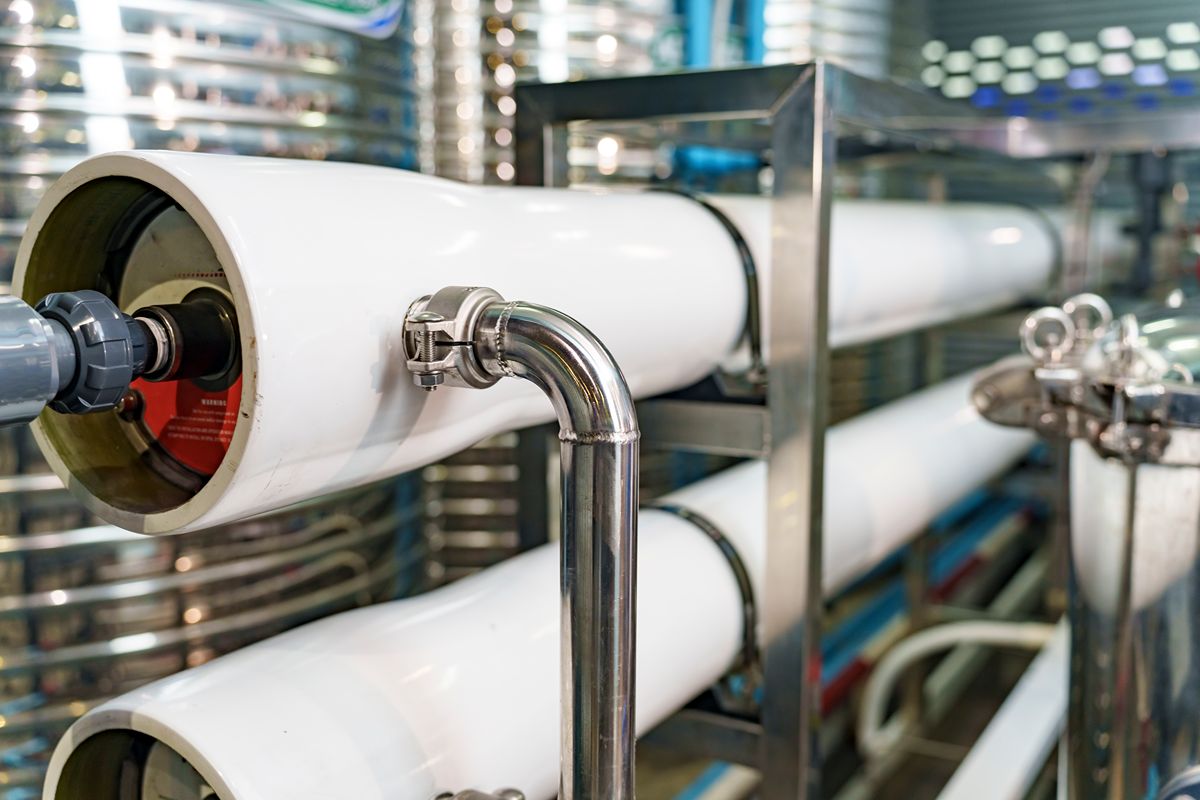
That is why many businesses pair general filtration with a reverse osmosis system for applications that demand a higher level of purity, such as espresso preparation, specialty beverages, and ingredient-sensitive cooking where water mineral content directly affects the outcome.
Reduce Maintenance Issues and Operational Disruptions
One of the most practical ways water filters improve kitchen operations is by reducing maintenance issues. When sediment and mineral deposits build up inside machines, kitchens are more likely to deal with reduced efficiency, service interruptions, and emergency repairs.
Filtered water helps keep internal components cleaner, which improves flow and reduces stress on equipment. This means fewer instances of clogged lines, inconsistent heating, weak ice production, and equipment downtime during busy service hours.
For operators, this translates into a smoother workflow. Staff spend less time troubleshooting avoidable equipment issues and more time focusing on food preparation and customer service. Over time, lower maintenance demand also helps make operating costs more predictable.
Support More Efficient Utility Use
Water quality also affects energy and water efficiency. Equipment with scale buildup often needs more energy to heat water, maintain temperature, or complete cleaning cycles. That added strain can quietly raise utility costs over time.
By helping equipment stay cleaner internally, filtration supports more efficient operation. Dishwashers can maintain cleaning performance more reliably, hot water systems work with less resistance, and ice machines produce output more efficiently. These gains may look small individually, but they add up across a full kitchen operation.
For high-demand kitchens, improving efficiency is not only about lowering bills. It is also about creating a more dependable setup that supports daily service without unnecessary strain on equipment.
Help Maintain Water Quality and Food Safety Standards

A commercial kitchen must do more than run efficiently. It also needs to protect the quality and safety of the food and beverages it serves. In the Philippines, commercial food service businesses are expected to meet the food safety standards set under Republic Act 10611, also known as the Food Safety Act of 2013, which covers water used in food preparation, cleaning, and sanitation.
Filtration supports compliance with these standards by giving your kitchen a consistently treated water source across every use point. This level of control strengthens the reliability of your sanitation process and reduces the risk of water-related quality issues reaching your customers.
Why This Matters for Commercial Kitchens in the Philippines
Commercial kitchens in the Philippines often operate in fast-paced environments where consistency, equipment reliability, and product quality directly affect margins. Water conditions can also vary by location, which makes a one-size-fits-all approach less effective.
That is why the best solution is not simply installing any filter. It is choosing a filtration setup based on your actual kitchen demand, equipment, and water quality conditions. CWS Philippines provides tailored systems for food service businesses that need dependable performance and long-term support, and our team works with you to identify the right solution for your specific conditions.
Whether you operate a restaurant, café, hotel kitchen, or commissary, the right water treatment setup can help protect your equipment, support product quality, and make daily operations more efficient.
Key Takeaway
With a clearer understanding of how water filters improve kitchen operations, you can now evaluate the filtration setup that best fits your equipment, your output standards, and the daily demands of your kitchen.
To find the right solution for your commercial kitchen, contact CWS Philippines Inc. today. Our team can recommend a tailored water treatment setup that fits your operational needs, from commercial filtration to reverse osmosis support.