How To Match RO System Specifications To Cafe Demand
Overview
- Matching an RO system to café demand starts with estimating daily water use and identifying how much capacity the operation needs during peak service.
- Production rate, simultaneous demand, and storage capacity help determine whether an RO system can supply enough treated water throughout a café’s busiest periods.
- CWS Philippines provides Everpure RO water filtration systems for café operations, helping businesses select equipment suited to their water demand and coffee-related applications.
Water is a constant requirement in cafe operations, from brewing coffee to supplying water-dependent equipment. As cafes grow, they can consume significantly more purified water for daily operations. The reverse osmosis system (RO) you choose must meet these changing requirements and maintain the water quality needed for each application.
To ensure you acquire the proper filtration for your establishment, we’ve prepared a thorough guide on how to match RO system specifications to your cafe’s demand. Knowing the right steps helps you determine the production capacity and water quality your operations actually require. Continue reading to learn how to choose a solution that suits peak operating periods.
Calculate Daily Water Volume
Estimate how much purified water the cafe uses across regular applications. Calculating daily water volume gives you a clearer basis for determining your establishment’s required capacity, and you can use that figure to guide your chosen system’s production requirements.
Beverage Baseline
Multiply your expected daily cup count by the water used per drink to establish a baseline. If your cafe sells 150 cups a day at roughly 250 mL of water, you’d need about 37.5 liters for beverage preparation. A 300-cup operation at the same volume might need about 75 liters to operate properly. The figure doesn’t have to be exact at this stage, but it gives you a reasonable starting point for meeting your cafe’s demand.
The baseline should also account for water used by applications outside of the drinks, such as ice machines and other water-dependent processes. A common oversight is calculating for drinks but not for other applications during the same shift. Adding these requirements to the beverage estimate gives you a more realistic picture of the total demand and prevents you from undersizing your system.
Rule of Thumb
When detailed consumption figures aren’t available, there are still practical standards you can use to narrow down an appropriate solution for your business. Small shops with lower demand can use compact direct-flow systems, while high-volume cafes typically need commercial module systems that can handle greater production needs.
Options such as the Everpure MRS-600HE-II have a nominal production rate of 600 gallons per day. Its blending capability lets you adjust final water quality based on what operations need during the workday. This makes it ideal for applications such as ice machines and coffee brewers for high-demand establishments, giving a solid baseline for general needs.
Assess Peak and Storage
A cafe may use a manageable amount of water throughout the day, but still experience heavy demand during a few hours of service. Looking at when water is consumed gives a more accurate picture of the RO system’s required output and storage capacity.
Simultaneous Demand
Morning service can put several water-dependent appliances to work at once, making peak demand very different from the café’s average consumption. An espresso machine may be running while the ice maker replenishes its supply, and staff prepare drinks at multiple stations. Adding these concurrent requirements helps determine how much water the system needs to supply during the busiest periods.
Compare the RO system’s production rate with this peak requirement. If demand temporarily exceeds production, the café will need sufficient stored water to cover the difference, so look for filters with efficient capacity and flow rate. This is particularly important for establishments with several beverage stations or equipment operating throughout the same service window.
Storage Tanks
A storage tank changes how an RO system handles demand fluctuations by keeping a supply of treated water ready for use. The membrane can continue producing water during quieter periods, allowing the tank to build its reserve before the next busy service period. This gives the café additional supply when its applications draw water faster than the RO unit can produce it in real time.
The appropriate tank size depends on how sharply demand rises and how quickly the RO system can replenish the reserve. A café with short, intense periods of consumption may need more storage than one with a steadier water draw, even if their total daily volumes are similar. Also consider available installation space when selecting the tank configuration.
Match Water Quality to Coffee Standards

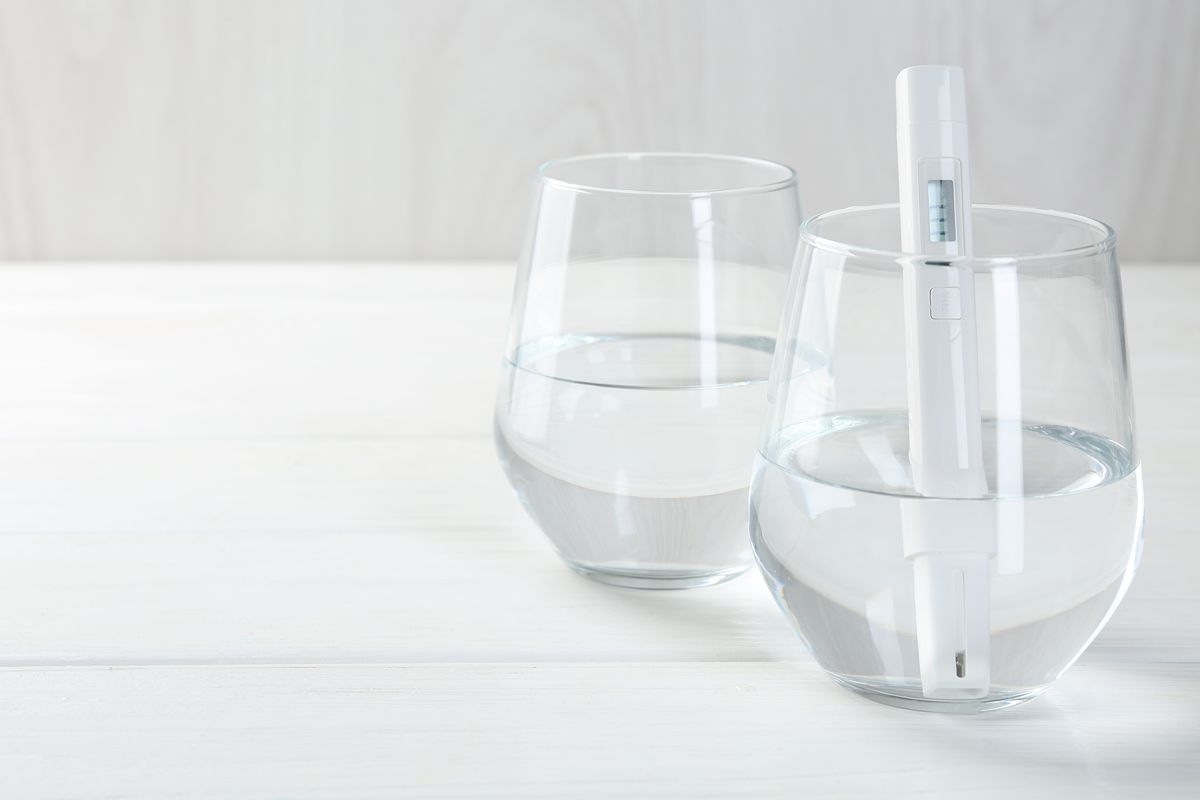
Coffee preparation calls for water with a controlled mineral profile. RO treatment can reduce dissolved minerals and other substances from the source water, but the treated water may need further adjustment to achieve the composition required for consistent brewing.
Remineralization
Remineralization adds selected minerals back into RO-treated water to create a more suitable composition for coffee brewing. Removing too many minerals can leave water with very low mineral content, which can affect how it interacts with coffee grounds during extraction. A controlled mineral profile can help cafés produce more consistent results across repeated brews.
The amount and type of minerals added should correspond to the café’s brewing requirements and source-water conditions. This gives operators greater control over the water entering espresso machines and coffee brewers, rather than relying on untreated water with an inconsistent mineral profile. The treatment setup can then be configured to produce water better suited to the café’s specific coffee applications.
Blending Valves
Blending valves provide another way to control the final composition of water leaving an RO system. They regulate the proportion of RO-treated water mixed with a controlled amount of filtered source water, allowing the final mineral content to be adjusted to the desired level. This can be useful when a café needs purified water while retaining a specific amount of mineral content for brewing.
Set the valve according to the source-water characteristics and the quality target for the café’s coffee equipment. Too much untreated water can raise mineral content beyond the desired range, while excessive RO water can produce a mineral profile that is too low for the application. Proper blending gives the café a more consistent final water composition while keeping the RO system as the primary treatment stage.
Get High-Quality RO Systems From CWS Philippines
CWS Philippines provides Everpure RO water filtration systems for cafés and other food and beverage establishments that require controlled water quality for daily operations. Our team can help assess your water demand, source-water conditions, and applications to determine the appropriate system capacity and configuration.
Everpure systems are available for commercial applications and a wide variety of water-dependent equipment. Built with durable components and advanced filtration technology, Everpure RO filtration solutions provide consistent water treatment designed to support your cafe operations over the long term.
Key Takeaway
Knowing how to match RO system specifications to cafe demands helps you define your operation’s water treatment requirements more accurately. With precise demand estimates and proper system sizing, you can ensure that your RO system provides enough treated water for daily operations and peak service periods.
CWS Philippines provides Everpure RO water filtration systems for small- to large-scale cafe operations. Contact us today to determine the system specifications that best fit your operation.