How Long Do Water Filtration Systems Last for Businesses
Overview
- Water filtration systems play a quiet but critical role in keeping business operations efficient and compliant.
- Their longevity depends on build quality, water conditions, usage intensity, and upkeep.
- Knowing what influences lifespan helps businesses protect long-term performance with trusted solutions from CWS Philippines Inc.
For businesses, a water filtration system is a long-term investment that directly affects daily operations, compliance, and operating costs. Whether you rely on filtered water for production, food service, or employee use, system reliability matters just as much as water quality.
Understanding how long do water filtration systems last for businesses helps you plan maintenance, manage budgets, and avoid unexpected disruptions.
System lifespan depends on factors such as water quality, usage volume, and maintenance practices. With the right setup and proactive servicing, filtration systems can deliver consistent performance for years.
Water Filtration System Lifespan
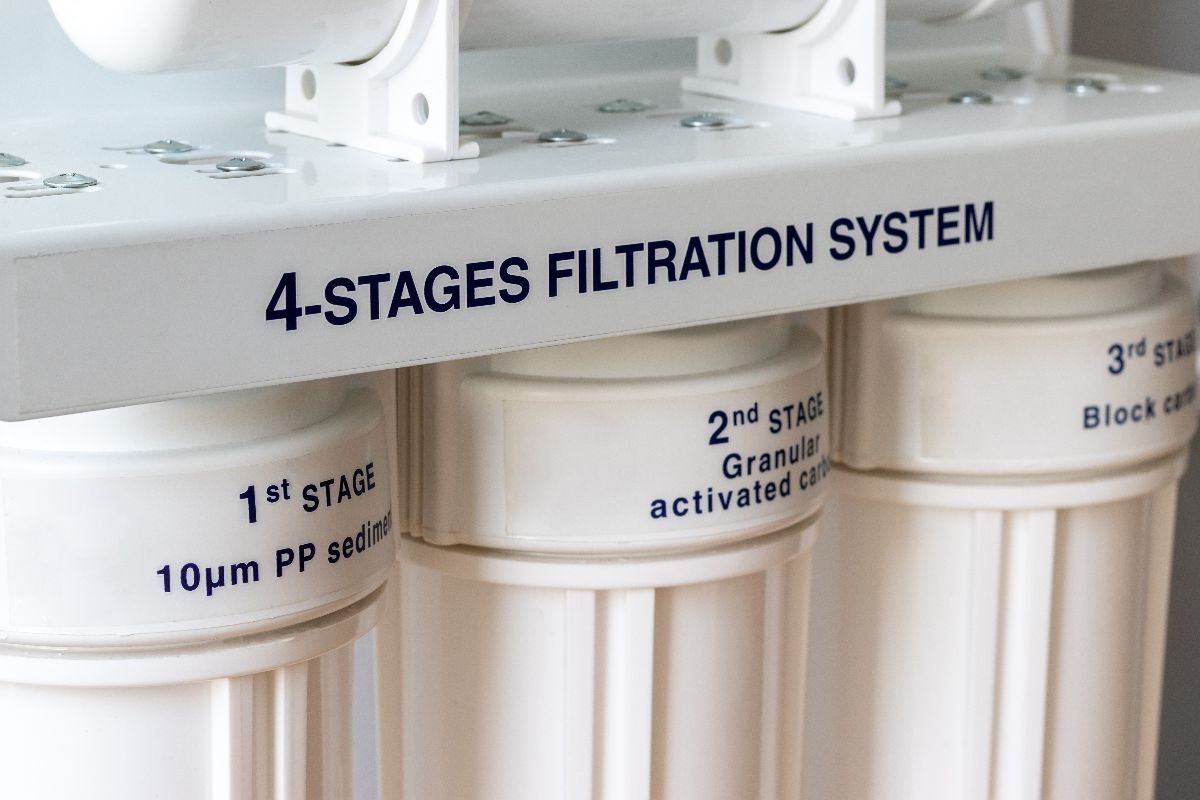
Water filtration systems are long-term investments that require strategic planning. Understanding their lifespan allows businesses to maximize value while maintaining water quality.
Main Unit
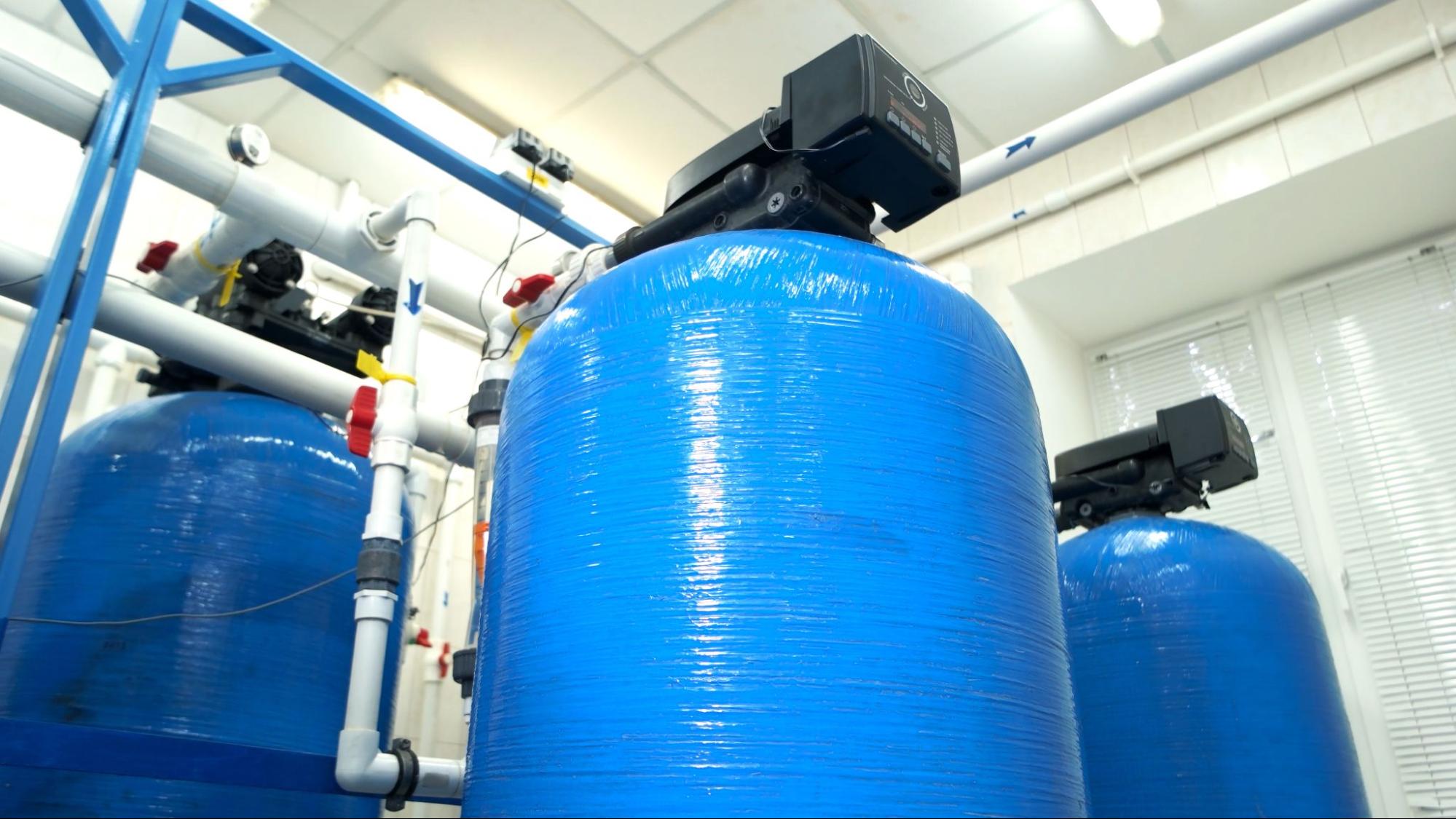
Built to last 15 to 25 years, the main unit of a high-quality water filtration system is a long-term investment for your business. Often referred to as a Point-of-Entry (POE) system, it is installed directly where the main water line enters your establishment.
Once active, it filters every drop of water used for drinking, bathing, and high-use appliances like coffee machines. To ensure this level of reliable performance over the years, look for units featuring commercial-grade stainless steel cartridge casings, which provide the robust durability required for heavy-duty use.
Reverse Osmosis Systems
Reverse Osmosis (RO) Systems is a multi-stage solution, which means it is designed with various specialized components to function. It offers a total system longevity of 10 to 15 years.
However, achieving this full lifespan requires the timely replacement of internal filters and membranes. Because the RO process utilizes high-pressure mechanisms, you must take proactive maintenance measures to anticipate replacement when necessary. This step helps businesses achieve optimal functionality and durability.
Water Softeners
Water Softeners can last between 10 and 20 years with proper care. The key component is a resin tank filled with sodium-charged beads. These beads typically require replacement every decade to maintain efficiency.
The resulting soft water output effectively eliminates hard minerals from your supply. By preventing the system from scaling up, you improve overall performance and longevity. Minimal upkeep leads to fewer repairs and reduced maintenance costs.
Filter and Media Replacement Cycles
Filters and media don’t last forever, but proper replacement keeps systems running efficiently. Here’s what businesses need to know:
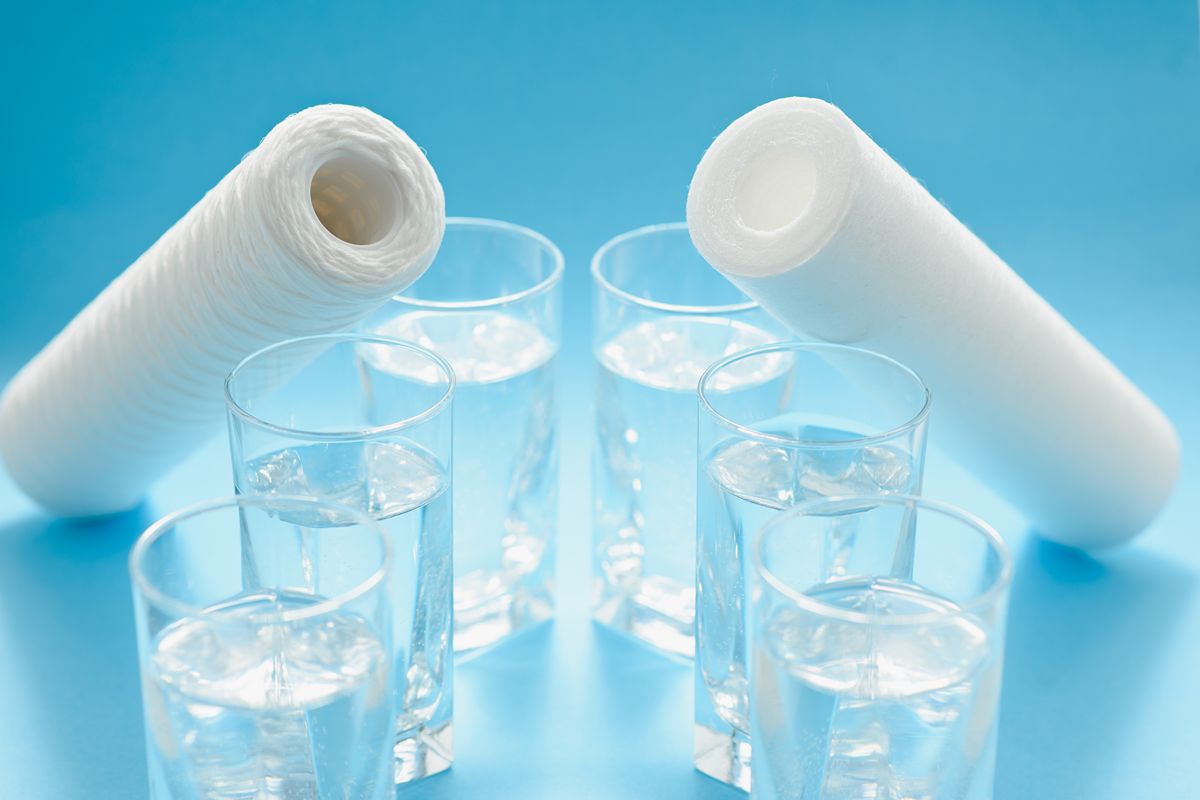
- Sediment Filters: These filters typically last 3 to 6 months, especially in high-demand commercial settings with heavy daily usage.
- Carbon Filters: Similar to sediment filters, carbon filters also last 3 to 6 months, depending on specific water quality.
- RO Membranes: This critical component typically lasts 2 to 4 years before it requires a full replacement. For businesses, the high daily demand means the membrane works harder to maintain deep purification levels.
Key Factors Affecting Water Filtration System Lifespan for Business
Several factors influence how long a water filtration system remains effective for business use. Understanding these key elements helps companies plan maintenance wisely.
Water Quality and Contaminants
Poor water quality shortens filtration system lifespans by accelerating the clogging process. Continuous buildup eventually wears down essential components like filters and membranes. As a result, systems may suffer permanent damage.
Consequently, high levels of contaminants also encourage rapid bacterial growth within the system. This biological buildup overworks the filtration mechanism and forces it to run less efficiently.
Usage Volume
Commercial establishments naturally process much higher volumes of water every day compared to standard households. This constant flow puts continuous pressure on the system, which can lead to faster mechanical exhaustion.
High usage also means your filters and membranes reach their total capacity much sooner. When you exceed these volume limits, the system can no longer effectively trap harmful contaminants.
Maintenance
Regular maintenance is the most effective way to protect your long-term investment. Simple tasks like checking for leaks or pressure drops can prevent minor issues from becoming disasters.
On top of that, scheduling professional inspections ensures that every internal component is operating at peak efficiency.
System Quality
Choosing a high-quality system is the foundation for achieving a long and reliable equipment lifespan. In the industry, CWS Philippines Inc. is recognized as the gold standard for robust water filtration solutions.
By using premium materials, we help business owners avoid the frequent breakdowns common with lower-grade alternatives. Our expertise allows you to invest in infrastructure that remains efficient for many years.
Key Takeaway
The lifespan of a commercial water filtration system is less about a fixed number of years and more about how well it is matched to your business environment. Heavy usage, incoming water quality, and maintenance discipline all play a direct role in how long each component performs at its best. When these factors are managed properly, filtration systems become long-term operational assets.
At CWS Philippines Inc., we deliver commercial-grade water filtration systems designed for longevity, efficiency, and demanding business environments. We have comprehensive maintenance support to ensure your investment performs reliably over the long term. Contact us now to explore our solutions.