How Sewage Treatment Plants Help Facilities Meet Wastewater Regulations
How do sewage treatment plants help facilities meet wastewater regulations?
- Screening
- Preliminary and primary treatment
- Secondary treatment
- Tertiary treatment
- Disinfection
Overview
- Meeting wastewater regulations starts with a treatment system that consistently produces effluent that meets the required discharge standards. Each stage of a sewage treatment plant plays a specific role in removing contaminants, protecting treatment efficiency, and improving water quality before discharge.
- From screening large debris to biological treatment and final disinfection, these processes work together to support regulatory compliance. Understanding how each treatment stage contributes to wastewater management helps facility managers make informed decisions when planning or upgrading their systems.
- CWS Philippines provides professionally engineered sewage treatment solutions that help public and institutional facilities achieve reliable treatment performance and long-term regulatory compliance.
Every day, public and institutional facilities generate wastewater that must be properly treated before it can be safely discharged. From government offices to healthcare facilities, these establishments handle wastewater with different levels of contaminants, making reliable treatment processes necessary to protect the communities they serve.
To manage these responsibilities, it is critical to understand how sewage treatment plants help facilities meet and comply with wastewater regulations. As a sewage treatment plant contractor in the Philippines, CWS Philippines is fully aware of how critical these insights are for proper compliance. That’s why we provide professionally engineered wastewater treatment solutions that help institutions ensure safe discharge.
Continue reading to learn how these systems support compliance.
Screening
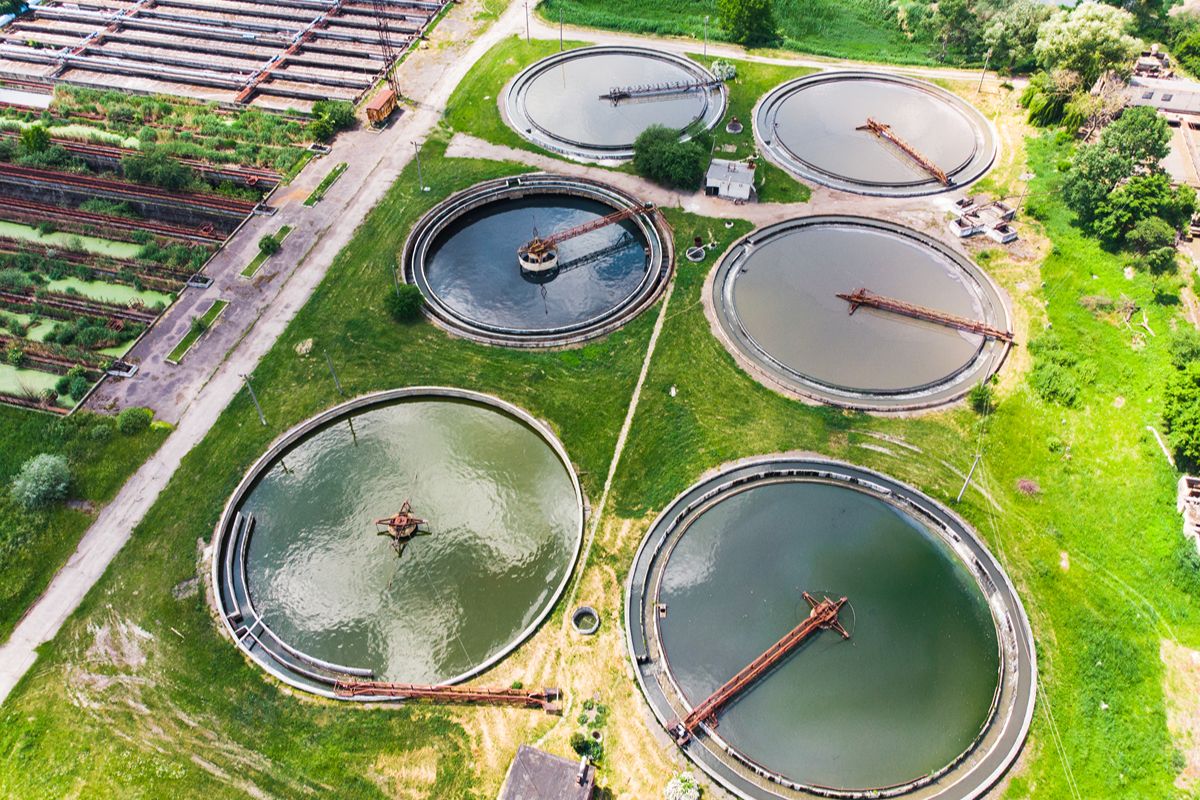
Screening is the first stage of treatment, helping STPs maintain reliable operation throughout the wastewater treatment process. As raw wastewater enters the facility, it passes through screens that capture large debris, such as plastics, wood, and other coarse materials, before it reaches downstream equipment. Removing these materials at the point of entry prevents clogged pipelines that can interrupt treatment.
Protecting treatment equipment also helps facilities maintain consistent wastewater treatment performance over time. If large debris reaches settling tanks, it can interfere with equipment operation and increase the risk of non-compliant effluent. By maintaining a stable treatment process, screening supports the plant’s ability to produce wastewater that meets discharge requirements.
Preliminary and Primary Treatments
By removing a significant portion of suspended solids, primary treatment helps facilities consistently achieve the effluent quality required under Philippine wastewater discharge regulations. During preliminary treatment, wastewater passes through grit chambers that separate dense materials. These processes help prevent sudden hydraulic surges that can reduce treatment efficiency.
After preliminary treatment, wastewater enters primary clarifiers, where gravity separates suspended solids from the water over several hours. Heavier organic particles settle to the bottom to form primary sludge, while lighter materials, such as oils, fats, and grease, rise to the surface for mechanical removal.
Secondary Treatment
Through secondary treatment, wastewater undergoes biological purification to remove dissolved organic pollutants that remain after physical treatment. The wastewater enters aeration tanks, where oxygen supports aerobic microorganisms that consume biodegradable contaminants. This process significantly reduces biochemical oxygen demand (BOD), a key indicator of wastewater quality.
The treated wastewater then flows into secondary clarifiers, where the microorganisms settle as activated sludge and are separated from the water. Part of this sludge is returned to the aeration tanks to sustain the treatment process, while the excess is removed for further handling. Under proper operating conditions, secondary treatment can reduce 85% to 90% of BOD and total suspended solids (TSS), substantially improving effluent quality before final treatment or discharge.
Tertiary Treatment
Tertiary treatment removes the fine contaminants that remain after secondary treatment to further improve the quality of the treated wastewater. Depending on the facility’s discharge requirements, the water may pass through filtration systems that capture fine suspended particles that remain after secondary treatment. Some treatment plants also use activated carbon filtration to reduce residual dissolved contaminants.
Different facilities require different tertiary treatment processes because discharge standards are not always uniform. A facility discharging into a sensitive body of water, for example, may need additional nutrient removal, while another may only require fine filtration to improve effluent quality. Selecting the appropriate tertiary treatment helps remove the remaining contaminants needed to satisfy strict discharge requirements.
Disinfection
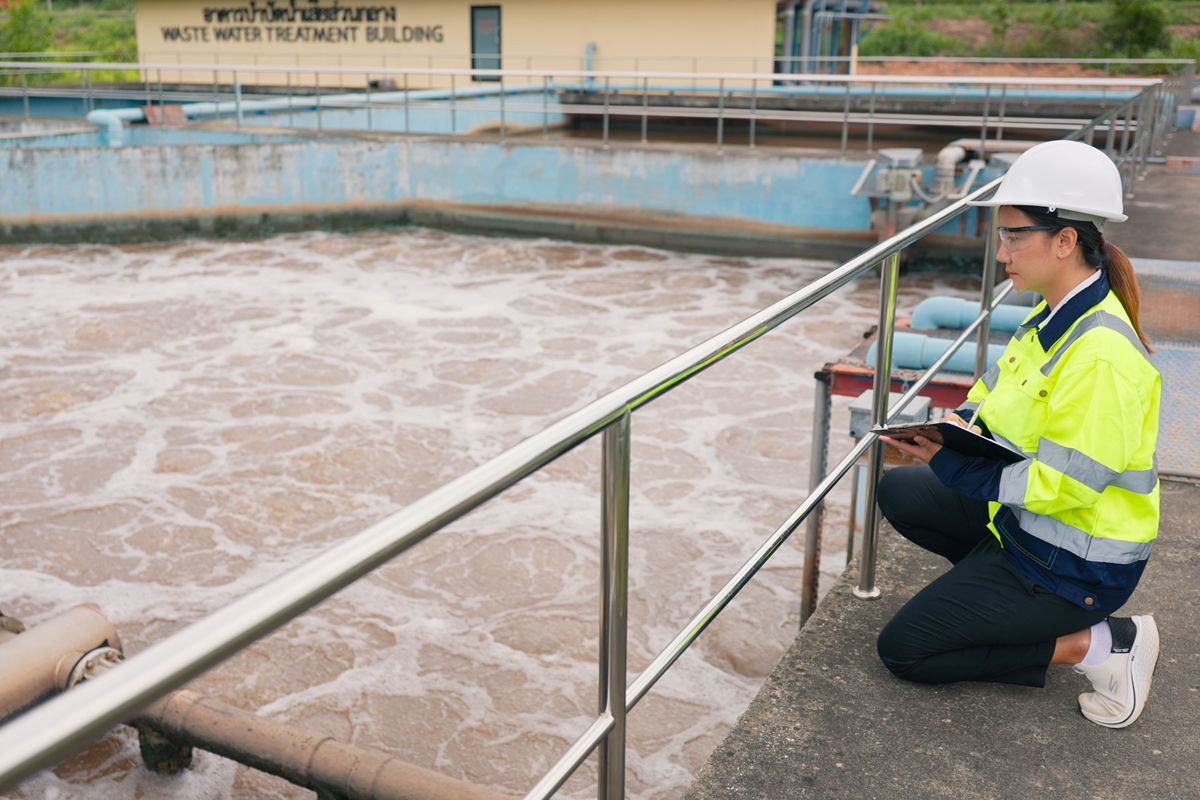
Disinfection is the final stage of the wastewater treatment process, reducing the disease-causing microorganisms that may remain after the earlier treatment stages. Before treated wastewater is discharged, it undergoes a disinfection process using methods such as chlorination, ultraviolet (UV) irradiation, or ozonation to inactivate bacteria, viruses, and other pathogens. This final barrier helps protect public health by preventing harmful microorganisms from entering receiving bodies of water.
Completing the disinfection stage helps facilities meet the microbiological requirements established for treated wastewater prior to discharge. By significantly reducing bacteria and other disease-causing microorganisms, the treatment process lowers the risk of releasing harmful pathogens. This final safeguard strengthens overall effluent quality and helps facilities remain compliant with Philippine wastewater discharge regulations.
Ensure Wastewater Regulation Compliance with CWS Philippines
As a trusted sewage treatment plant contractor in the Philippines, CWS Philippines designs and builds wastewater treatment systems to help public-sector and institutional facilities comply with Philippine wastewater regulations. Our team develops solutions tailored to your facility’s wastewater characteristics, operational requirements, and discharge standards to ensure reliable treatment performance over the long term.
From engineering design and system installation to commissioning and after-sales technical support, we work closely with clients throughout every stage of implementation. CWS Philippines helps you establish dependable wastewater infrastructure that supports safe discharge for years to come.
Key Takeaway
Understanding how sewage treatment plants help facilities comply with wastewater regulations enables public-sector and institutional facilities to make informed decisions when planning or upgrading their wastewater management systems. Every treatment stage contributes to producing compliant effluent, helping facilities protect public health and meet Philippine wastewater discharge requirements.
As a trusted sewage treatment plant contractor, CWS Philippines designs and implements wastewater treatment systems that support reliable treatment performance and long-term regulatory compliance. Contact us today to discuss a sewage treatment solution tailored to your facility’s operational and regulatory requirements.