How Reverse Osmosis Systems Remove Water Contaminants
Overview
- Industrial operations need reliable, high-quality water for processes, cooling, cleaning, and products.
- Reverse osmosis (RO) systems deliver consistent purification by combining sediment and carbon pre-filters, a high-rejection membrane, and post-polishing to remove dissolved solids, chemicals, and microbes.
- For tailored industrial RO solutions, CWS Philippines Inc. offers system design, installation, and support to ensure water meets operational standards.
Water is involved in nearly every aspect of industrial and manufacturing operations, affecting operational efficiency, product quality, and equipment lifespan. However, some water sources contain contaminants such as sediments, dissolved minerals, chemicals, microorganisms, and other impurities that can create challenges for businesses if left untreated.
To address these challenges, many facilities use reverse osmosis (RO) systems as part of their water treatment process. By combining multiple filtration stages, RO systems remove a wide range of contaminants that can affect equipment performance, production processes, and water quality.
In this article, we explain how reverse osmosis systems remove water contaminants, from pre-filtration to membrane separation, and how each stage contributes to cleaner, more reliable water for industrial applications.
The Multi-Stage Filtration Process
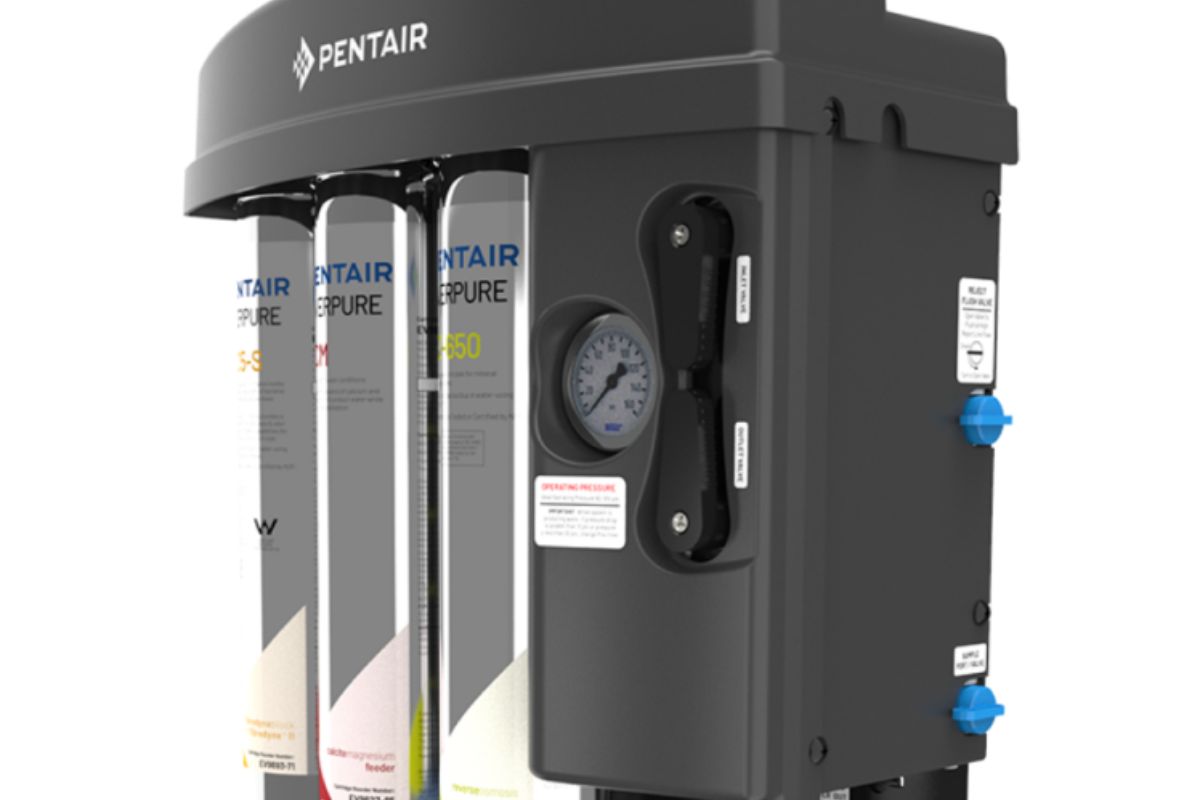
Reverse osmosis systems do not depend on a single filter to purify water. Instead, they utilize treatment phases that work together to safeguard the system, improve filtration, and maximize contaminant removal.
For industrial and manufacturing facilities, these systems are typically selected and configured based on source water quality, process requirements, and equipment sensitivity. CWS Philippines Inc. supports facilities in evaluating these conditions to help ensure RO systems are properly designed for consistent performance and operational reliability.
Pre-Filtration (Sediment)
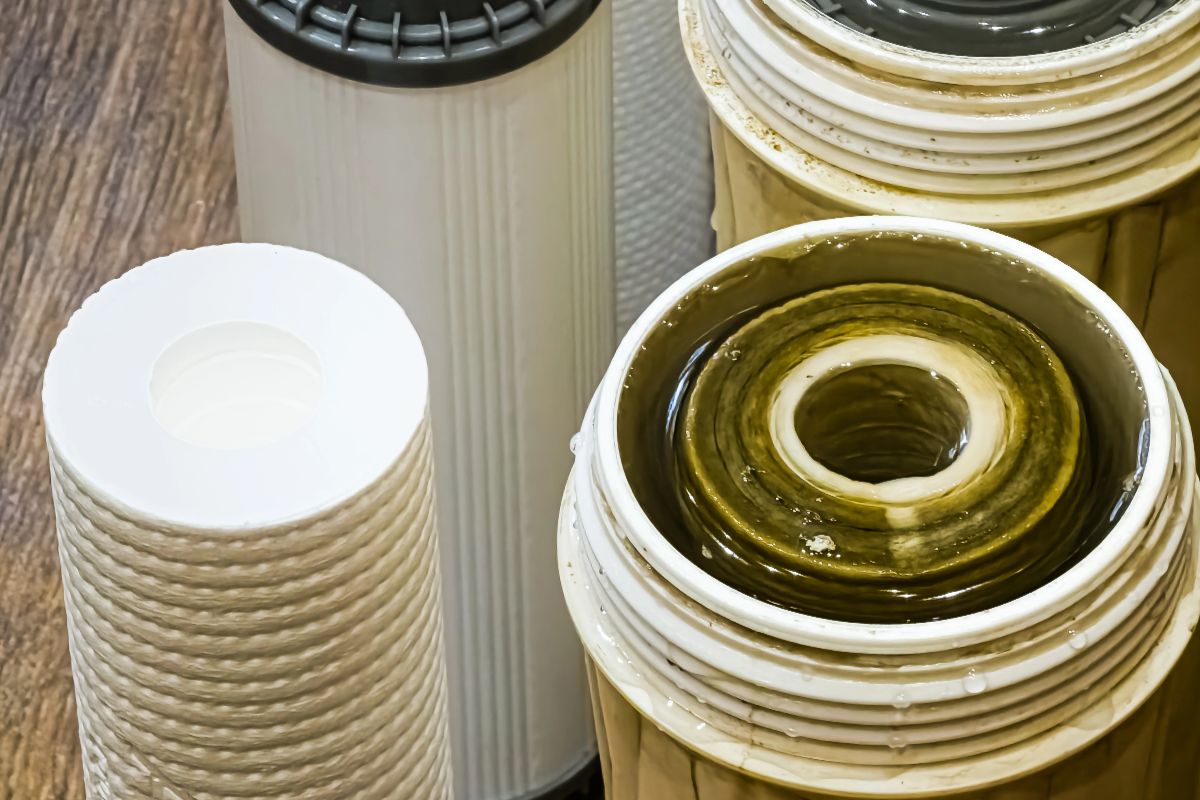
At this point, incoming water passes through a filter to capture bigger particles like dirt, sand, rust, silt, and other suspended solids. While these substances may seem harmless compared to dissolved chemicals or microorganisms, they can cause issues if they enter later stages of treatment.
Removing sediment early helps prevent clogging and abrasion within the system, which safeguards downstream elements, particularly the RO membrane. By reducing the amount of particulate matter entering the system, sediment filtration helps maintain efficiency, minimize maintenance requirements, and extends the lifespan of the whole system.
Pre-Filtration (Carbon)
After sediment removal, water flows through a carbon filter. Activated carbon is highly effective at adsorbing chlorine, volatile organic compounds (VOCs), odors, tastes, and some chemical contaminants commonly found in water supplies.
This phase is crucial because chlorine can damage reverse osmosis membranes. By removing chlorine and other oxidizing agents before water reaches the membrane, the carbon filter helps preserve membrane integrity, reduce premature membrane replacement, and improves the quality of water entering the following step.
The RO Membrane
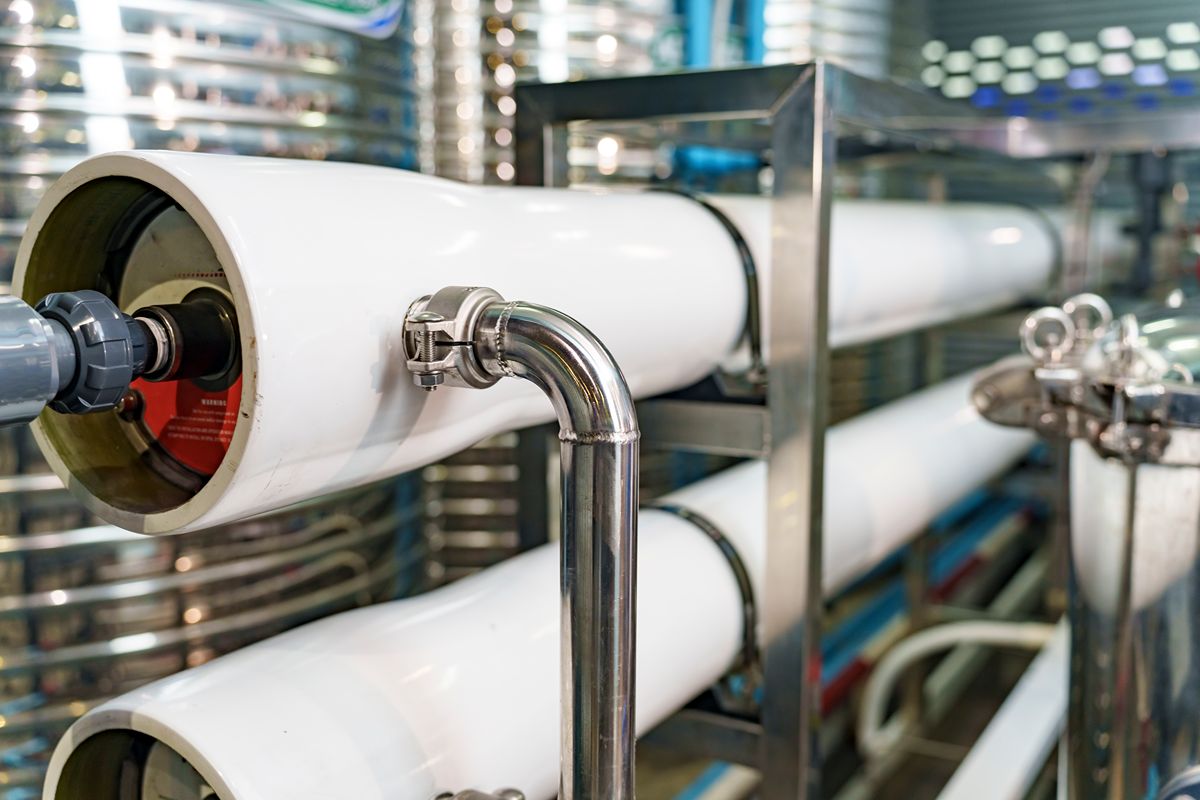
The RO membrane serves as the core of the entire system. Once water attains this process, pressure forces it through a semi-permeable membrane to allow water molecules to pass and block many contaminants.
Unlike traditional filters that simply trap particles, the membrane separates contaminants at the molecular level. Dissolved salts, heavy metals, nitrates, sulfates, and many microorganisms are prevented from passing through the membrane. The result is significantly purified water that supports the water quality requirements of many industrial and commercial applications..
Post-Filtration
After membrane treatment, water undergoes post-filtration to provide extra polishing. This last step helps remove any residual tastes, odors, or trace contaminants that may remain after reverse osmosis.
In addition, post-filtration acts as a final quality assurance step, ensuring that the treated water meets operational or application-specific quality requirements before distribution or use. For facilities that require consistent water quality, this stage contributes to greater reliability while helping maintain consistent production processes.
How the Membrane Blocks Contaminants
The precision of reverse osmosis largely comes from the unique properties of the membrane itself. Instead of working like a conventional screen, it uses multiple mechanisms to separate substances from water.
Pore Size
These pores are smaller than many dissolved contaminants, making it difficult for unwanted substances to pass through. As water molecules move across the membrane, larger particles, bacteria, dissolved solids, and many chemical compounds are physically rejected.
This microscopic barrier allows purified water to continue through the system while contaminants remain on the opposite side of the membrane, helping facilities produce cleaner water for manufacturing processes while protecting downstream equipment from unwanted impurities.
Ion Charge
Contaminant removal is not only determined by size. Dissolved contaminants exist as charged ions, and the membrane’s surface also helps reject many dissolved ionic compounds.
This interaction improves the membrane’s ability to reject dissolved salts, minerals, and other charged substances found in industrial water. By combining size exclusion with charge-based rejection, the RO system produces higher-quality water than many conventional filtration methods.
Concentrate and Permeate
As water passes through the membrane, it separates into two distinct streams.
- Concentrate (Wastewater): Concentrate, also referred to as reject water or wastewater, contains the contaminants that the membrane has removed. By carrying rejected contaminants away from the surface, it helps prevent buildup and fouling, which supports stable membrane performance over time.
- Permeate: Permeate is the purified water that successfully passes through the membrane. This stream contains lower concentrations of dissolved solids, chemicals, and other substances compared to the incoming feed water, making it suitable for applications that require consistently treated water.
Key Takeaway
Understanding how reverse osmosis systems remove water contaminants begins with recognizing the role of each treatment stage. From sediment and carbon pre-filtration to the RO membrane and post-filtration process, every part contributes to producing cleaner water, protecting treatment equipment, and supporting reliable industrial operations.
CWS Philippines Inc. provides expert water treatment solutions designed to help facilities achieve their water quality goals efficiently and reliably. Whether you need guidance on reverse osmosis systems, filtration technologies, or customized treatment solutions, contact us today to learn how our team can support your operations with water treatment expertise.