How Much Does Wastewater Treatment Cost in the Philippines?
Overview
- Wastewater treatment costs in the Philippines hinge on capacity, system type, and components like pumps, tanks, filters, and aeration gear, with industrial setups demanding more due to complex effluents.
- Compliance with DENR guidelines adds expenses for monitoring and permits, while ongoing O&M covers energy, chemicals, and maintenance to avoid fines or downtime.
- CWS Philippines Inc. provides tailored sewage treatment plants, custom designs, and full lifecycle services for reliable, compliant solutions.
Wastewater treatment should not be approached as a reactive expense triggered by regulatory deadlines. Instead, it calls for sound financial planning tailored to operational growth and environmental obligations.
Industrial facilities that incorporate wastewater treatment into their annual budgeting cycles are better positioned to handle capital expenditures, operating costs, and compliance upgrades. Proactive budget planning allows companies to forecast chemical consumption, energy demands, maintenance needs, and possible expansions.
For facilities evaluating how much wastewater treatment costs in the Philippines, understanding the key cost drivers is an important step in making informed decisions that support both regulatory compliance and long-term operational efficiency.
Key Cost Factors and Components
Understanding wastewater treatment expenses begins with breaking down the primary factors that shape the overall investment. Each component plays a role in determining upfront and long-term costs for industrial and manufacturing facilities.
Capacity and Type
Institutions with higher daily wastewater volumes require bigger tanks, more pumps, and additional filtration or treatment phases. Beyond volume, the type of system such as those handling chemical or food-processing wastewater often requires specialized treatment solutions that are more expensive than conventional municipal-style setups. The right capacity and system type ensures compliance and efficiency, while preventing overspending.
System Components
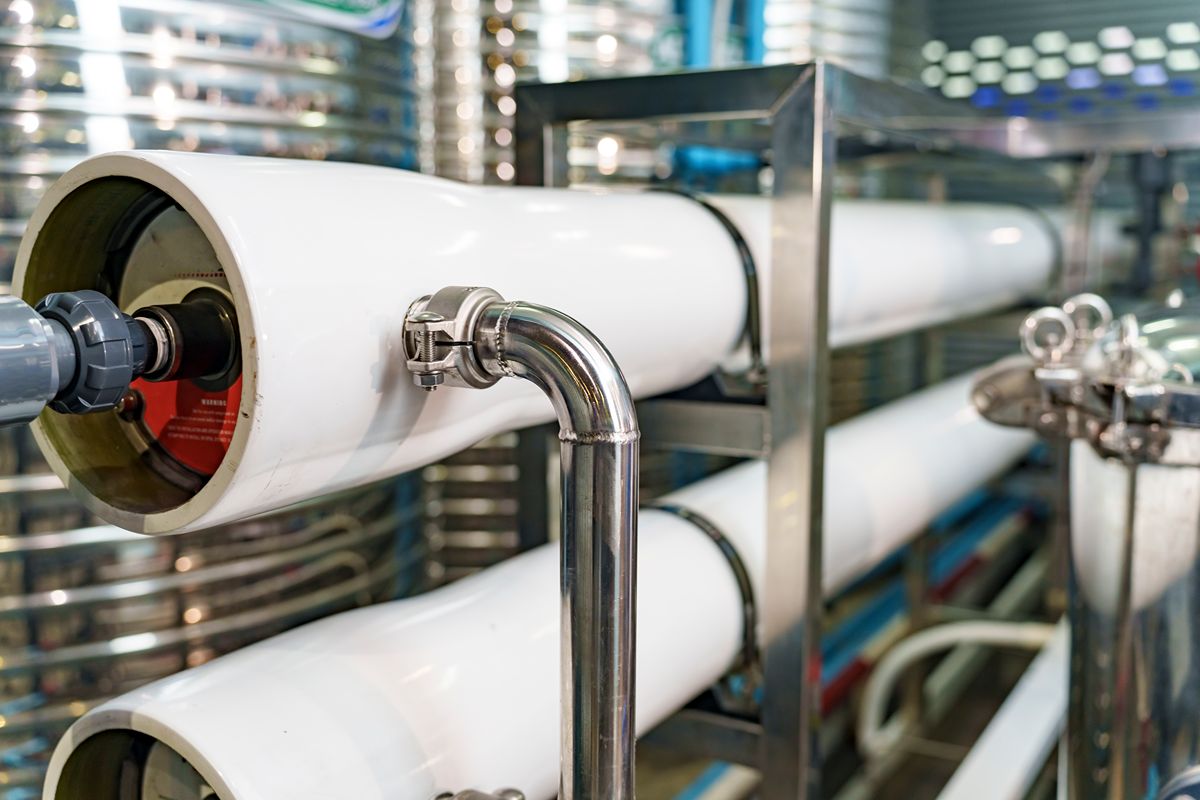
Key elements include pumps to move wastewater through the system; tanks and reactors for sedimentation or biological treatment; filters and membranes for eliminating solids and contaminants; aeration equipment for biological processes; and chemical dosing units for disinfection or pH adjustment.
Additional parts may also include control panels, sensors, and monitoring equipment to ensure the system operates effectively and meets regulatory standards. Each component adds to the system’s complexity and expense, but together they ensure compliant wastewater treatment for industrial and manufacturing facilities.
Compliance Needs
Meeting DENR effluent guidelines requires securing mandatory permits, maintaining proper documentation, and conducting regular inspections and audits. Non-compliance may result in hefty fines, operational shutdowns, or costly emergency upgrades.
Compliance-related expenses, including monitoring equipment, testing, and reporting, are an important part of the overall cost picture. If your facility is still evaluating treatment options, accounting for these requirements early can help avoid significantly higher costs and operational disruptions down the line.
Operation and Maintenance (O&M)
Ongoing O&M costs include energy consumption for pumps and aeration, chemical usage for treatment and disinfection, routine maintenance, and replacement of worn-out parts like membranes or filters. This ensures the system performs reliably, prevents breakdowns, and prolongs equipment lifespan, ultimately reducing emergency repairs and downtime.
Factoring in operations and maintenance costs during budget planning helps businesses maintain compliance and operational continuity.
General Cost Indicators
While costs vary by facility, specific indicators can help operations estimate budget requirements. These include the system’s capacity, complexity, technology type, and compliance level, collectively impacting upfront investment and ongoing operational costs.
Small and Scale Residential
Not all wastewater treatment investments are equal in scale. Smaller commercial operations with lower volumes generally work with simpler setups and more straightforward maintenance requirements, which places them at a different cost tier than industrial and manufacturing facilities.
Industrial and Commercial
Industrial and manufacturing facilities deal with higher wastewater volumes and more complex effluent characteristics, which directly influence both capital and operational costs. Facilities handling chemical effluents, food processing byproducts, or high-strength organic waste typically require multi-stage treatment systems, specialized components, and more rigorous compliance monitoring. Factoring in these variables from the planning stage leads to more accurate budgeting and fewer unexpected expenditures over the system’s lifespan.
Available Solutions from CWS Philippines Inc.
With extensive experience designing and maintaining wastewater treatment systems for industrial and manufacturing facilities across the Philippines, we at CWS Philippines Inc. offer a full range of solutions from system design and installation to specialized treatments and ongoing maintenance, built for long-term operational reliability and regulatory compliance.
Sewage Treatment Plant
As a dedicated sewage treatment plant contractor in the Philippines, CWS provides specialized solutions that prioritize effectiveness and full regulatory compliance. We cover the entire lifecycle of the system, from consultation and design to installation, maintenance, and ongoing support.
During the consultation phase, our experts evaluate existing systems, identify possible improvements, and provide personalized recommendations that align with environmental standards and regulatory requirements. Once a solution is chosen, our certified technicians conduct on-site assessments, accurate measurements, and installation to ensure that all components function optimally from the start.
Custom Design and Rehabilitation
We deliver custom design and rehabilitation services for wastewater and sewage treatment systems, creating new installations or upgrading existing systems to match facility capacity, effluent characteristics, and regulatory demands.
Key Takeaway
Understanding how much wastewater treatment costs in the Philippines requires considering multiple factors, including system capacity, technology type, operational needs, and compliance requirements. Knowing these cost drivers allows your organization to plan budgets that support both regulatory compliance and long-term operational efficiency.
CWS Philippines Inc. offers comprehensive wastewater and sewage treatment solutions tailored to each facility’s needs. Reach out to us today to learn how we can provide the right treatment solution for your business.