How to Evaluate Reverse Osmosis Systems
Overview
- Choose an RO system by prioritizing real-world performance over specs alone: verify TDS reduction, certified test results, remineralization needs, wastewater ratio, and true output capacity.
- Assess maintenance complexity, filter lifespan, and required PSI to avoid hidden costs or downtime.
- For expert evaluation, selection, and installation support, consult CWS Philippines Inc. — they tailor RO solutions to operational and regulatory needs.
Understanding how to evaluate reverse osmosis systems greatly affects everything from production quality and equipment protection to regulatory compliance. A system that functions well on paper may not necessarily provide the efficiency required for your specific application.
However, many facilities discover this challenge only after installation, emphasizing the importance of reviewing solutions beyond basic specifications. Reviewing these performance indicators closely helps you choose a system built for long-term value, not short-term convenience.
Water Quality and Filtration Performance

The main purpose of any reverse osmosis system is to improve water quality. Before checking its capacity, cost, or maintenance needs, structures should first identify how a system removes chemicals and offers adequate treatment outcomes.
Use Total Dissolved Solids (TDS)
TDS measures the concentration of dissolved minerals, salts, metals, and other substances present in water. Having it checked gives a clear picture of its purification capabilities.
When comparing systems, take time to review both incoming water quality and expected treated water results. A higher rejection rate generally indicates more effective contaminant removal.
Check Certifications
Legitimate certifications showcase that a system has been examined against standards for contaminant reduction, material safety, and production quality. Instead of depending solely on marketing claims, it’s good to verify whether the RO system follows industry regulations. Certified systems assure that performance specifications have been validated under controlled testing conditions, which minimizes uncertainty during the selection procedure.
Inspect Remineralization
While reverse osmosis is highly effective at eliminating contaminants, it also removes beneficial minerals naturally present in water. Some systems involve remineralization phases that reintroduce chosen minerals after purification.
For some industrial processes, ultra-pure water may be preferred. In other cases, maintaining a mineral composition may improve water characteristics and support operational demands. Understanding this distinction helps you select a system that aligns with your objectives.
Look for High-Efficiency (HE) Wastewater Ratio
Every RO system produces a wastewater stream during treatment. However, advanced solutions vary in how efficiently they use incoming water. To assess these, consider the wastewater ratio alongside purification performance. High-efficiency designs can reduce water wastage and maintain precise contaminant removal. As a result, improved water utilization can contribute to lower operating fees and support sustainability initiatives, certainly in structures with high everyday consumption.
Output and Flow Rate
Even the most effective purification system can become problematic if it cannot meet operational requirements. Checking production capacity is therefore just as important as assessing water quality performance.
Assess System Capacity
System capacity refers to the volume of treated water a unit can produce within a specified period. This output should be compared against actual water consumption needs rather than relying on average estimates.
Undersized systems may struggle to keep up with demand during peak production periods, while oversized equipment may lead to capital and operational expenditures. Proper capacity inspection ensures the system can support current demands and allow flexibility for future development.
Tank vs. Tankless
Another important consideration involves whether a system uses storage tanks or operates through a tankless configuration. Conventional tanks store treated water for prompt use, helping maintain availability during periods of high demand. Tankless systems, on the other hand, produce water on demand and call for less installation space.
Every approach offers distinct benefits according to facility requirements. Evaluating usage patterns, available space, and production timelines can help identify which configuration offers the most practical solution.
Maintenance and Running Costs
The long-term value of a reverse osmosis system is based on its performance and on the resources required to keep it operating adequately.
Ensure Filter Lifespan
Systems with longer-lasting parts provide greater value by lessening service frequency and downtime. When evaluating choices, take time to review the expected lifespan of sediment filters, carbon filters, and membranes. Understanding replacement cycles helps create a more accurate picture of long-term ownership costs rather than focusing on initial investment.
Evaluate Filter Replacement Difficulty
Some units feature user-friendly layouts that allow quick cartridge replacement, while others call for specialized tools, technical knowledge, or extended service interruptions. Consider how maintenance activities will impact operations over time. Systems that simplify routine servicing can minimize labor requirements, improve uptime, and make ongoing maintenance more manageable.
Follow Water Pressure and PSI Level Requirements
Reverse osmosis systems rely on pressure to force water through the membrane. Insufficient pressure can reduce production rates and affect contaminant removal efficiency. Prior to decision-making, it’s important to inspect present water pressure conditions and compare them with manufacturer recommendations. Understanding PSI demands ensures the system can operate at its intended efficiency level without calling for significant modifications.
Partner with Water Treatment Experts Like CWS Philippines Inc.
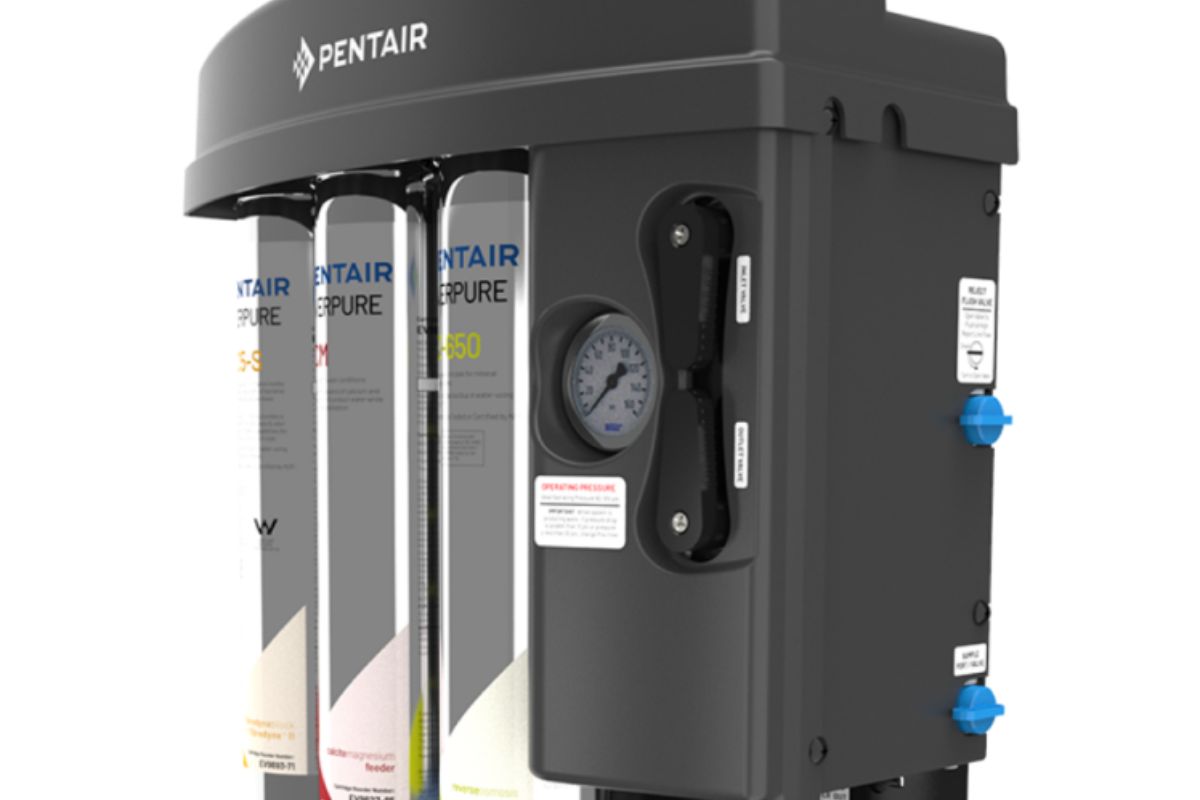
Evaluating a reverse osmosis system involves more than comparing specifications on a product sheet. Factors such as source water quality, contaminant levels, production requirements, operating costs, and maintenance needs all impact its functionality.
CWS Philippines Inc. helps industrial and manufacturing entities navigate these considerations through specialized consultation, system assessment, installation, and after-sales assistance. By understanding your operational requirements, we recommend treatment solutions that balance performance, efficiency, and reliability. We are committed to provide businesses access in systems that deliver greater results.
Key Takeaway
Understanding how to evaluate reverse osmosis systems involves looking beyond basic specifications and considering factors. By carefully assessing these components, facilities can select a solution that provides top-quality water.
CWS Philippines Inc. provides expert guidance and customized water treatment solutions for businesses seeking dependable reverse osmosis systems. Whether you are evaluating treatment options, planning a new installation, or optimizing an existing setup, contact us today to learn how we can assist you.