Current Practices in Water Treatment for Filipino Businesses
What are the current practices in water treatment for Filipino businesses?
- Installing commercial filtration systems
- Treating wastewater before discharge
- Ensuring regulatory compliance
- Integrating advanced treatment technologies
Overview
- In the Philippines, businesses tackle water treatment challenges through multi-phase commercial filtration, robust industrial wastewater processes, and strict DENR compliance to handle urban density and variable supply.
- Advanced tech like IoT monitoring, membrane systems, and sustainable recycling boost efficiency and cut environmental impact.
- CWS Philippines Inc. delivers tailored solutions, from chemical dosing to custom reactors, ensuring regulatory adherence and optimal operations.
Water treatment systems in the Philippines require solutions tailored to local environmental and operational conditions. Across industries, operations are often affected by fluctuating water quality, aging infrastructure, seasonal changes, and strict wastewater discharge regulations, all of which can impact daily performance and compliance outcomes.
Given these conditions, many organizations benefit from structured and multi-layered water treatment practices rather than relying on a single system alone. Understanding the current practices in water treatment for Filipino businesses allows companies to better evaluate whether their systems support operational efficiency, regulatory compliance, and long-term sustainability.
Commercial Filtration and Purification
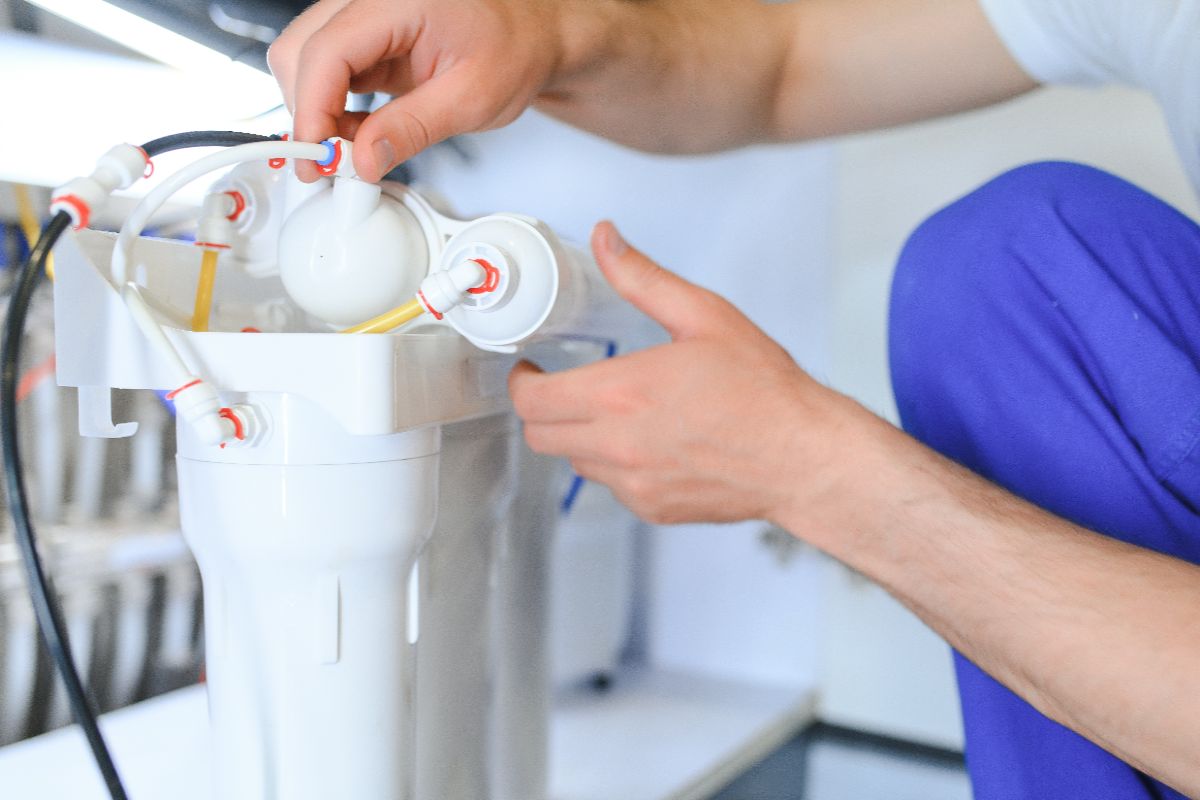
Commercial filtration and purification systems are the integral parts of water treatment strategies, designed to remove sediments, chemicals, odors, and harmful microorganisms from water before use in daily operations or release into the environment. In the Philippines, where water quality can vary due to aging infrastructure, seasonal changes, and urban density, multi-phase filtration solutions are commonly used to ensure safe water distribution.
Common commercial setups include sediment filters to remove visible particles, activated carbon filters to minimize chlorine and organic contaminants, and disinfection processes like UV treatment or reverse osmosis for higher levels of purification. When adequately designed and maintained, these systems support operational continuity while protecting public health and promoting environmental responsibility.
Industrial Wastewater Treatment
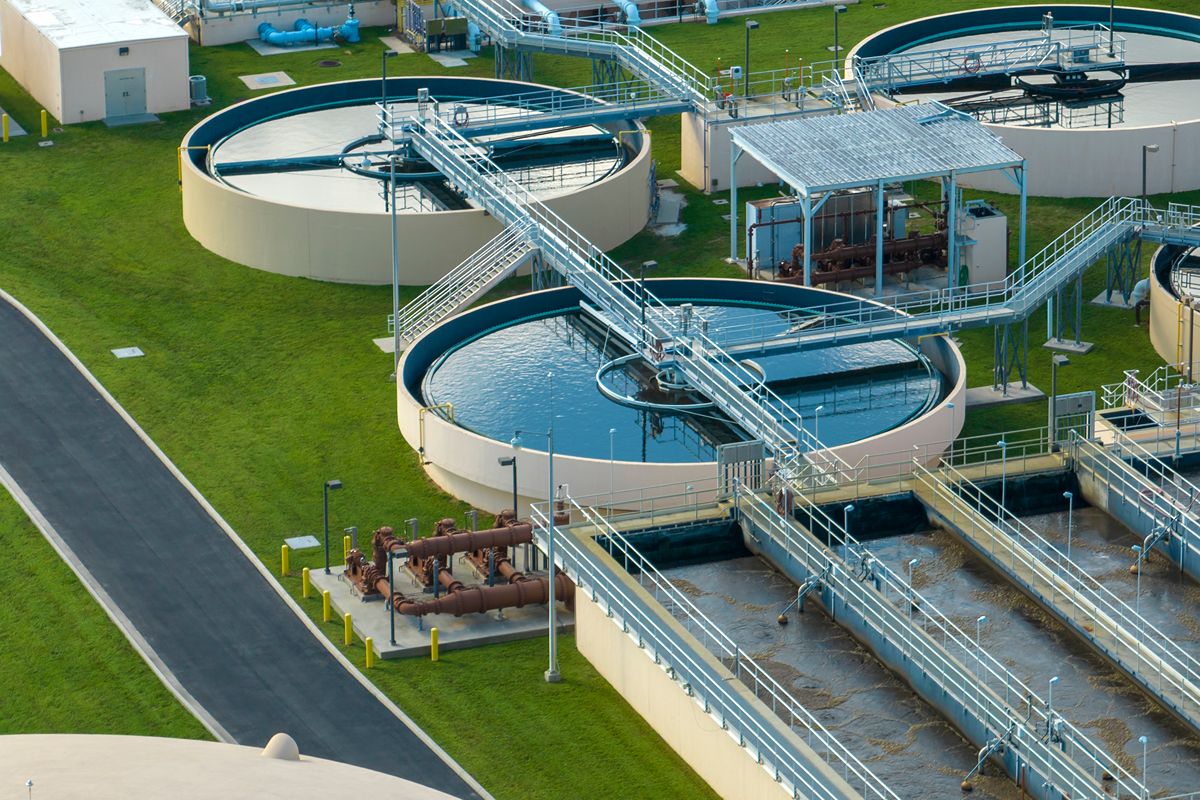
Sectors such as manufacturing plants, food processing facilities, hospitals, and large institutions are required to treat wastewater before discharge to ensure it meets environmental regulations. Unlike conventional filtration, this process involves numerous stages to eliminate suspended solids, organic matter, oils, grease, chemicals, and harmful microorganisms.
These processes may also include the following:
- Physical: Focuses on removing solid materials from wastewater through mechanical procedures, including screening to remove large debris, sedimentation to allow heavier particles to settle, and filtration to capture suspended solids.
- Biological: This stage uses microorganisms to break down organic matter present in wastewater. Through controlled processes such as aeration, beneficial bacteria consume biodegradable contaminants.
- Chemical: This stage involves processes such as coagulation and flocculation to bind small particles together, neutralization to balance pH levels, or disinfection to eliminate harmful pathogens.
Regulatory Compliance
Your business and its public counterparts are required to meet effluent discharge standards set by the Department of Environment and Natural Resources (DENR), which regulate the quality of wastewater released into rivers, lakes, and other receiving bodies. These standards define acceptable limits for parameters such as biochemical oxygen demand (BOD), total suspended solids (TSS), pH levels, and other pollutants.
Consistent monitoring, proper documentation, and system upkeep are essential to ensure that wastewater treatment methods comply with regulatory requirements. Staying informed and proactive protects your operations from penalties while maintaining seamless and uninterrupted workflows..
Advanced Technologies
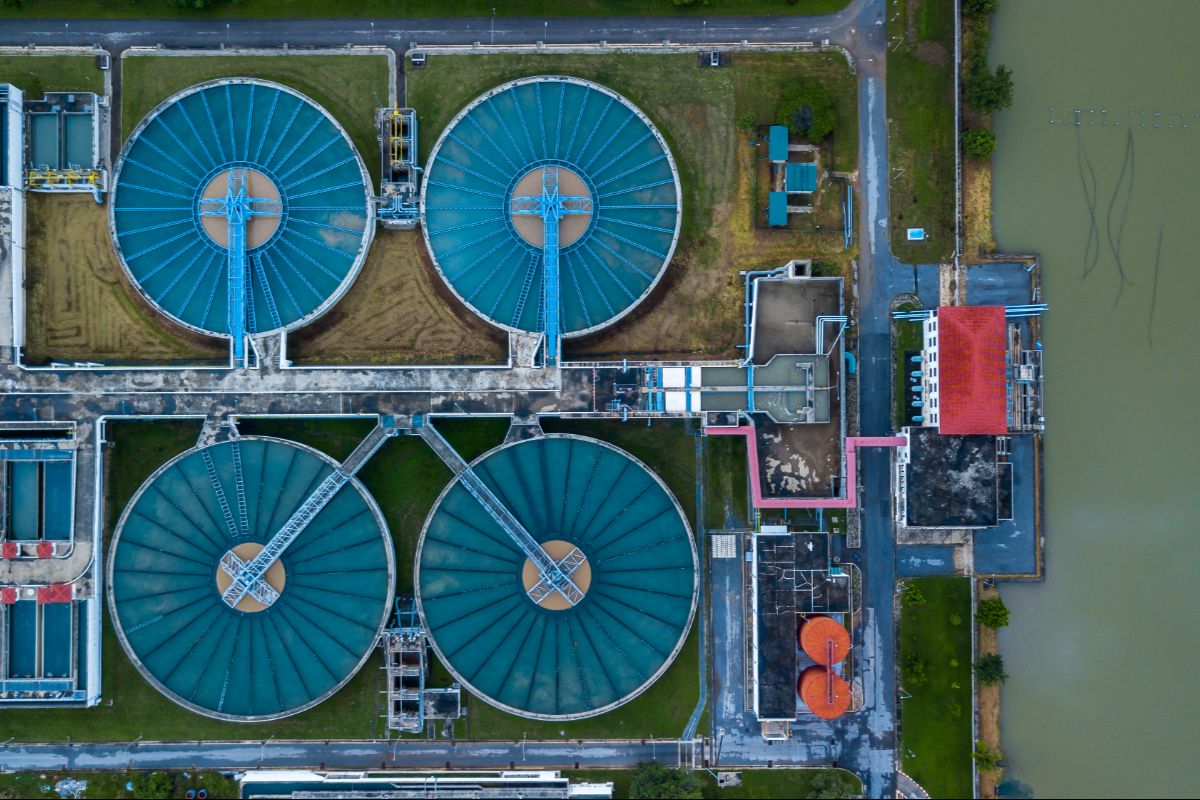
Modern technologies such as membrane filtration, advanced biological reactors, and automated dosing systems allow businesses to achieve more consistent outcomes while reducing manual intervention. Real-time monitoring equipment also enables operators to track crucial parameters like pH, turbidity, and dissolved oxygen, helping detect issues early and maintain regulatory compliance.
Integrating these advancements can optimize performance, minimize environmental impact, and ensure long-term sustainability in water management operations.
Emerging Trends
The water treatment industry is evolving fast as businesses look for more efficient, sustainable, and accessible solutions. Emerging trends highlight innovative technologies, smarter monitoring systems, and improved techniques.
Internet of Things (IoT ) in Management
IoT is a network of connected sensors and devices that collect and share real-time data. In water treatment, IoT systems monitor key parameters such as flow rates, water quality, pH levels, and chemical concentrations, giving operators the ability to track system performance remotely and make timely adjustments.
Sustainable Practices
For businesses and institutional facilities in the Philippines, sustainable practices can include water recycling, rainwater harvesting, energy-efficient pumps and blowers, and using environmentally friendly chemicals in treatment processes. Over time, these initiatives contribute to long-term resilience, ensuring that water resources are managed responsibly for the facility and the surrounding community.
Specialized Treatments
Some operations involve contaminants or discharge conditions that standard filtration and treatment systems are not designed to fully address. Industries such as healthcare, manufacturing, and food processing, for example, may require specialized solutions including heavy metal removal, high-strength organic wastewater treatment, or advanced disinfection. Factoring these requirements into an overall water treatment strategy is key to maintaining compliance and protecting day-to-day operations.
Key Regulatory Bodies
In the Philippines, the Department of Environment and Natural Resources (DENR) sets water quality and effluent discharge guidelines for businesses and institutions. Local government units (LGUs) and, in some cases, the Department of Health (DOH) also enforce regulations for potable water and sanitation.
With years of experience designing and maintaining water and wastewater treatment systems across the Philippines, CWS Philippines Inc. ensures that all solutions are fully compliant with these regulatory requirements, helping businesses avoid penalties, uphold public safety, and maintain reliable operations.
Key Takeaway
Understanding the current practices in water treatment for Filipino businesses is essential for any organization looking to maintain safe, efficient, and compliant operations. From commercial filtration and purification to industrial wastewater treatment and specialized processes, staying informed protects your business, your people, and the environment.
CWS Philippines Inc. has been providing expert water and wastewater treatment solutions for years, ensuring facilities implement systems that are efficient, compliant, and tailored to their unique needs. To learn more about how we can help your company achieve reliable water treatment and regulatory compliance, contact us today!