What Type of Water Filtration System Do Restaurants Need?
What type of water filtration system does restaurants need?
- Reverse osmosis
- Carbon filters
- Sediment filters
- UV sterilization
- Water softeners
Overview
- Restaurants rely on high-quality water for cooking, beverages, and cleaning, yet water is often an overlooked factor in customer satisfaction. Effective filtration ensures taste, safety, and equipment lasts longer throughout daily kitchen services.
- Different types of water filtration systems address specific challenges, from removing contaminants to protecting appliances. Choosing the right combination safeguards operations and maintains consistent water quality.
- CWS Philippines Inc. provides proven commercial filtration solutions tailored to restaurant needs. Their systems help prevent contamination risks, keeping kitchens running efficiently while meeting food safety standards.
The coziness of the dining room. The quality of the meals you serve. The speed of your service. In restaurants, customer satisfaction is built on details. Yet one essential element often goes unnoticed—the water used to prepare every meal and beverage.
With the right tools, maintaining high water quality is simple. There are different types of water filtration systems that restaurants need, each designed for specific purposes. Implementing these solutions in your operations is the key to safeguarding both your food quality and your guests’ health.
Reverse Osmosis
Restaurants that demand precise water purity rely on multi-stage reverse osmosis (RO) systems to remove contaminants that standard filters leave behind. They push water through a semi-permeable membrane that strips out dissolved solids, heavy metals, and chemical residues. This removes the impurities that cause off-tastes or odors, giving kitchens total control over product quality.
Additionally, installing a commercial RO system helps protect essential equipment like coffee machines and steamers from scale buildup. Purified water ensures that equipment functions efficiently, effectively reducing maintenance costs.
We offer solutions like the Everpure MRS-6090HE and MRS-600HE-II. It removes up to 90% of total dissolved solids that add to scale and system wear.
Carbon Filters
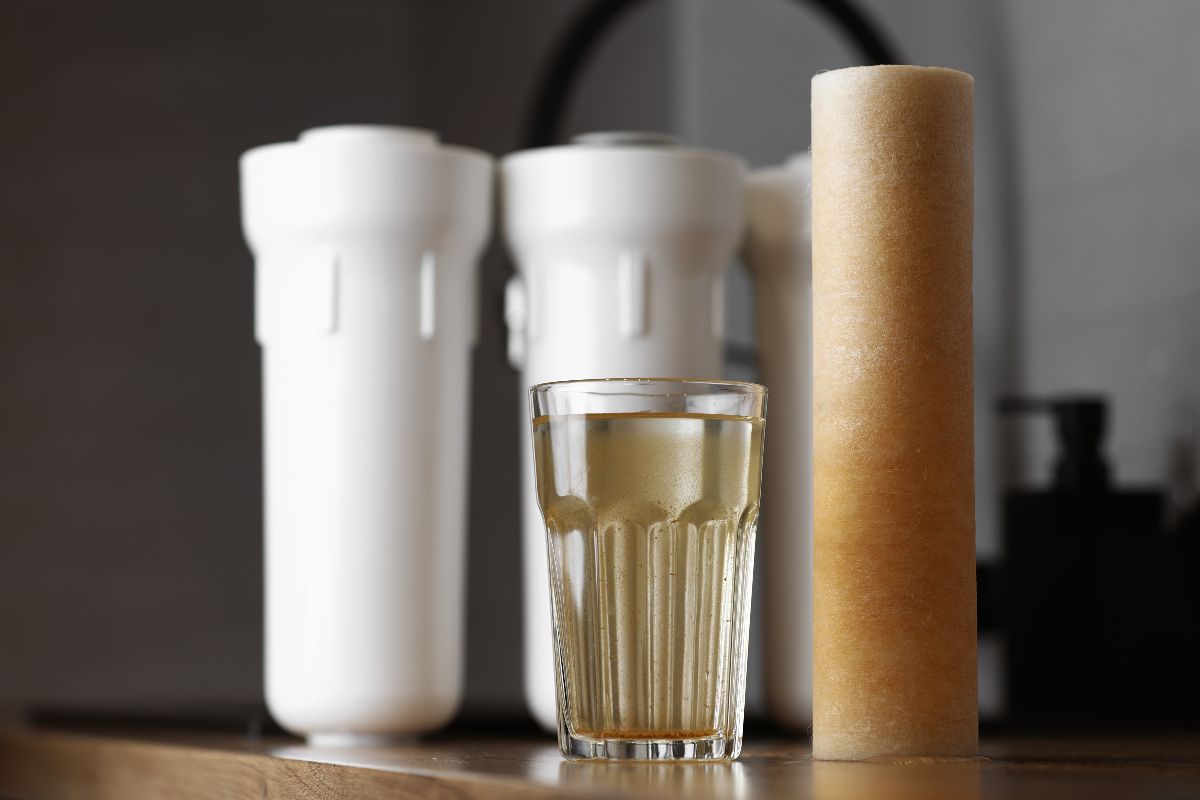
With delicious meals come grease, smoke, and strong odors in busy kitchens, and carbon filters help minimize these residues. Often called charcoal filters, these remove lingering fumes and grease particles before they can affect the meals in the kitchen.
They work through a process called adsorption. Contaminants cling to their highly porous carbon granules, effectively trapping chemicals and odors. In these filters, water needs enough contact time with the carbon for maximum purification, so they’re often paired with pre-filters for more effective cleaning.
Sediment Filters
Sediment filters act as the first line of defense by capturing suspended solids before they reach advanced filtration systems. Their main role is to protect expensive equipment, like ice machines or beverage dispensers, from scale buildup and clogging.
These work by using a mechanical strainer to trap particles. Some rely on depth filtration to capture solids through thick filter material, while others use surface filtration to provide a large area to collect sediment.
Through sediment filters, restaurants ensure the water they use in beverages and soups is consistently clean. This protects both flavors and guests from the effects of contamination.
UV Sterilization
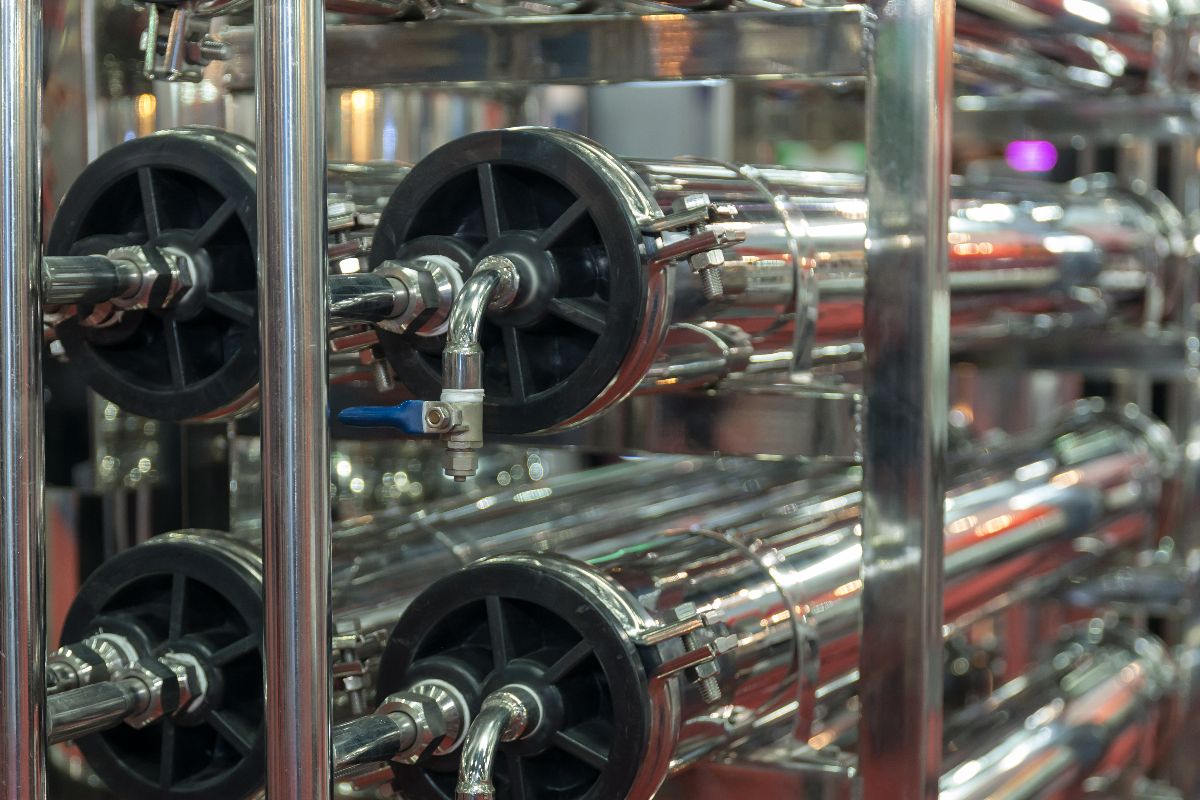
Kitchens can be exposed to harmful microorganisms in water, so many business owners rely on UV sterilization systems to eliminate them. These solutions use ultraviolet light to deactivate pathogens, viruses, and bacteria without altering the water’s quality.
This process neutralizes microorganisms at the molecular level to keep water safe for cooking, ice, and beverages. By adding this layer of protection, restaurants can reinforce hygienic practices and maintain compliance with food safety standards. Filtration tools like our Ultraviolet Water Filtration System use safe, proven UV light technology to purify your water to minimize food contamination risks.
Water Softeners
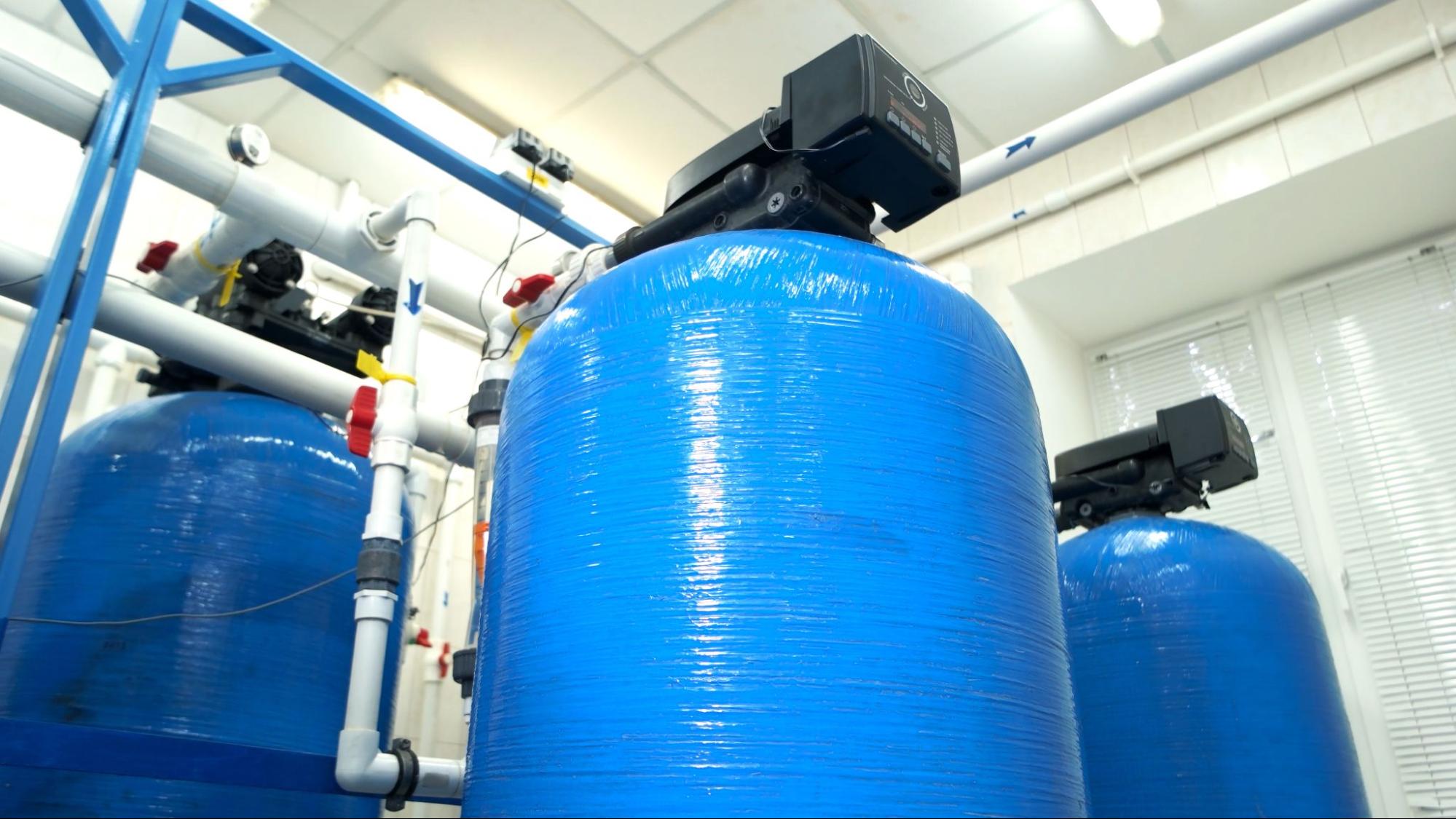
Hard water contains minerals such as calcium and magnesium, which can accumulate as scale in pipes and equipment. These reduce efficiency and water quality if left unaddressed. Water softeners remove these minerals, preventing scale buildup before they damage appliances.
In food establishments, softened water protects dishwashers, boilers, and other high-use equipment, extending their lifespan. Without a softener, scale can cause higher energy consumption and may even require frequent repairs.
We offer high-quality Water Softening Systems that use proven, reliable technology to minimize hard mineral buildup in vital equipment. Our solutions keep your equipment running efficiently for continuous service.
Invest in Our Water Filtration Systems for Your Restaurant
We provide filtration solutions designed to meet the strict requirements of commercial kitchens. From scale buildup to contamination, each product addresses specific water challenges that hinder restaurant operations.
Our Everpure Filtration systems support consistent water quality throughout preparation and service. With our filters’ proven performance and industry-backed reliability, we help restaurants maintain the highest service standards that customers are sure to appreciate.
Key Takeaway
There are several types of water filtration systems that restaurants need. Understanding what each one offers allows these establishments to ensure safe, high-quality water for all aspects of their operations.
Ready to give your kitchen an upgrade? CWS Philippines has the filtration solutions you need to ensure quality services in your establishment. Contact us today to identify the system that works best for your kitchen.