Challenges Of Maintaining Consistent Water Supply In Fast Food Chains
Overview
- Fast-food chains rely on a consistent water supply to support food preparation, beverage service, cleaning, and sanitation across daily operations.
- High water demand, plumbing limitations, utility costs, and changing source-water conditions can make it difficult to maintain reliable water quality and availability.
- CWS Philippines provides commercial water filtration and reverse osmosis systems to help fast-food businesses manage water quality according to their operational needs.
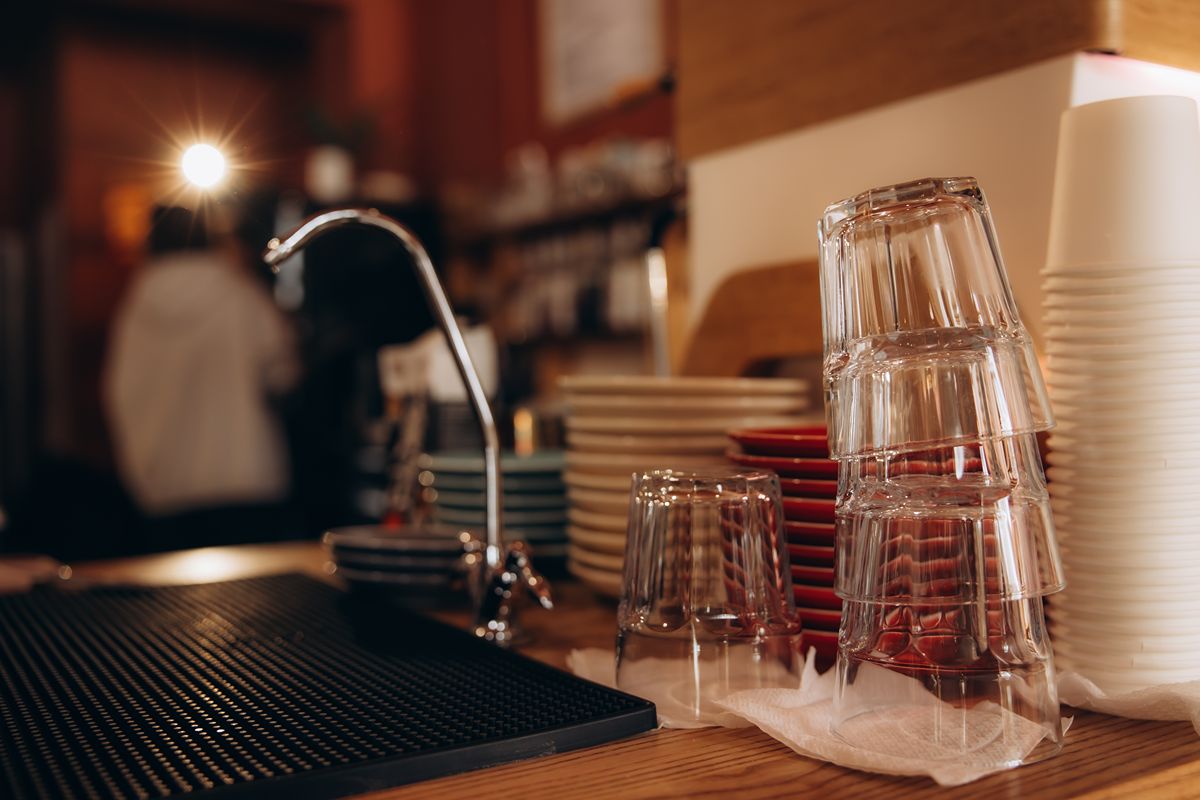
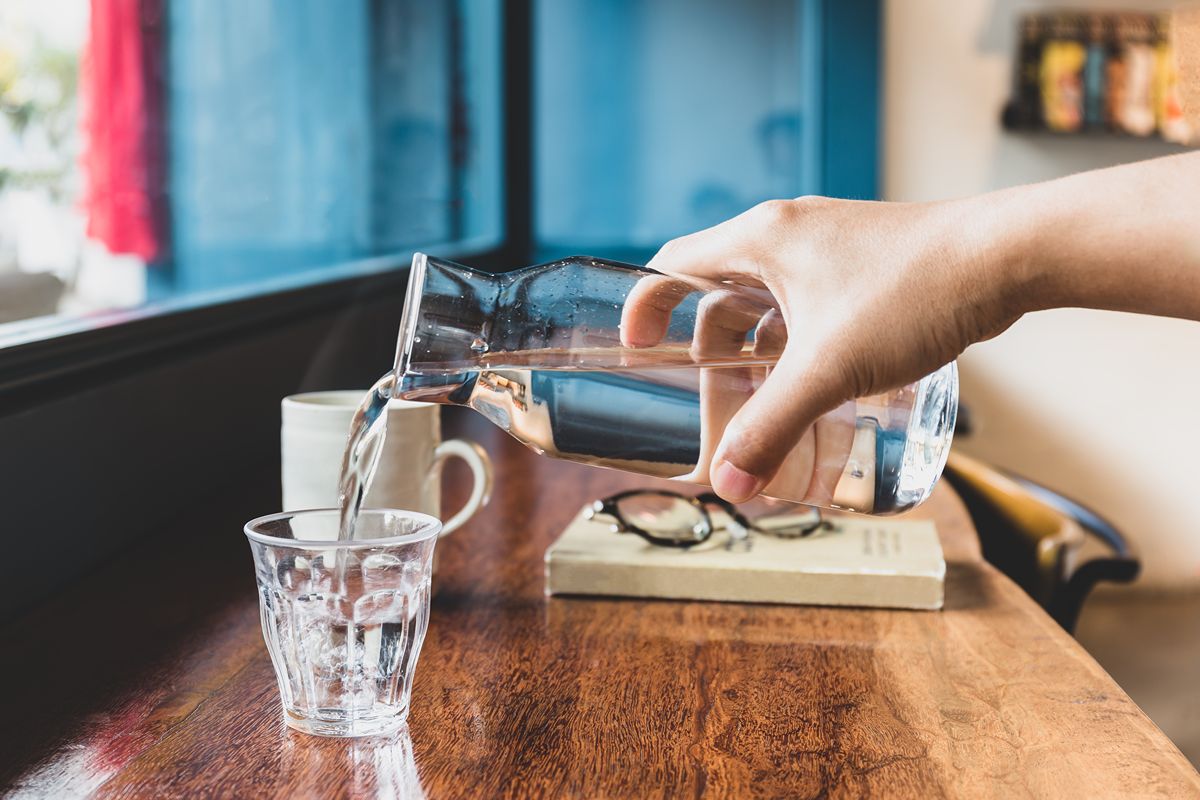
Water is essential to fast-food operations, supporting critical food preparation and sanitation. As customer volume increases, fast food branches consume more water and place greater demands on their supply and internal water infrastructure. Any interruption or change in water availability can affect several parts of the operation at once.
The challenges of maintaining a consistent water supply in fast food chains become more apparent as businesses expand across multiple locations. Restaurant-level demands are only one part of the issue, as utility costs and water quality can also influence water management. Recognizing these challenges gives business owners a clearer basis for improving water management across operations.
A water filtration system makes it easier to manage these complexities in fast food chains. Continue reading to learn more.
Operational and Restaurant-Level Challenges
Fast-food restaurants face water supply challenges because of the daily demands placed on their facilities. Sanitation requirements and continuous food preparation affect how consistently water is available and managed.
High Volume Needs
Fast-food chains use large amounts of water throughout the day, and demand grows as customer traffic increases. Branches, big and small, need to maintain a steady supply while serving hundreds of customers throughout the day. If the available supply cannot keep pace with consumption, even routine restaurant activities can be interrupted.
Peak demand can pressure not only the facility’s water distribution system but also the filters needed to maintain safe water use. When several areas draw water at once, insufficient flow can affect how quickly equipment and workstations receive the water they need, and it can also reduce filtration efficiency if the system is not properly sized.
Planning the supply and filtration capacity around actual operating demand gives fast-food businesses a better basis for maintaining consistent water availability and quality.
Plumbing and Wastewater Management
High daily usage puts continuous stress on supply lines, drainage systems, and wastewater infrastructure, especially in branches that operate long hours. Problems within any part of this network can throw off normal operations even when the incoming water supply remains available.
Wastewater creates another concern because fast-food kitchens generate discharge continuously during food preparation and cleaning. Drainage and wastewater systems must handle this flow properly to prevent blockages and other issues that can disrupt restaurant operations. Regular inspection and appropriate wastewater management help keep the facility’s water infrastructure functioning as intended.
Health and Safety Compliances
Water used throughout the facility must be suitable for its intended application, particularly where it contacts food, equipment, or employees’ hands. Changes in water quality can make established sanitation practices more difficult to maintain and may increase contamination concerns that can cause legal trouble for the restaurant.
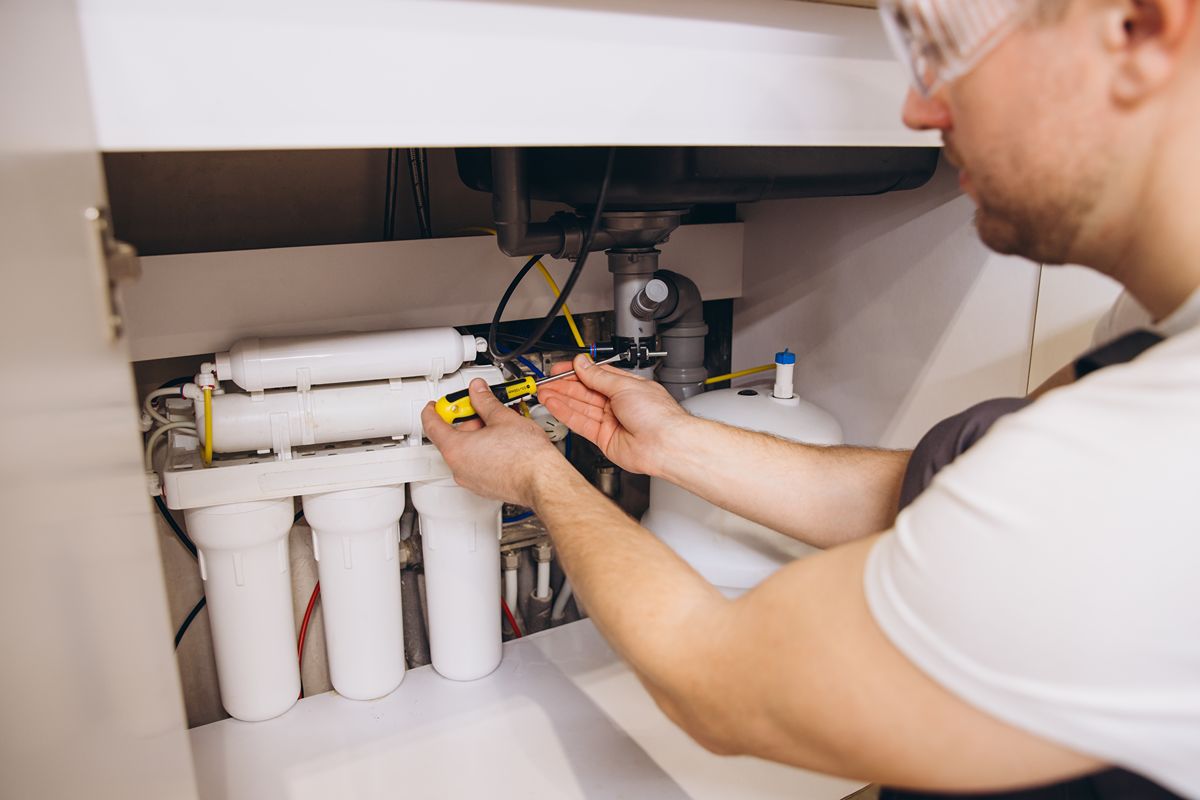
To avoid health and safety compliance issues, fast-food businesses must rely on high-quality filters to maintain consistent water quality for different aspects of their operations. Solutions such as the Everpure Reverse Osmosis system remove harmful contaminants that conventional filters may not.
Depending on the model and configuration, it can deliver pre-filtration and post-treatment to protect the membrane and improve overall water quality.
Upstream and Supply Chain Pressures
Water availability at the restaurant level is influenced by conditions that occur well before water reaches the kitchen. Utility expenses and limited information on water sources can affect how fast-food chains plan and manage their supply.
Agricultural Dependencies
Fast-food chains need to supply ingredients continuously, and water availability plays a key role in making that possible. Crops, livestock, and food processing all require water, so droughts or limited access can affect ingredient production and availability before they can even reach the restaurant.
When ingredient supplies face unexpected blockages, fast-food chains may face higher costs and, as a result, difficulty maintaining consistent menu items across their branches.
Rising Utility Costs
High water consumption can be a major operating expense for fast-food businesses, especially those with long operating hours and high customer volumes. Water costs include treatment, pumping, and disposal required for daily operations. As these costs rise, businesses must improve how they monitor and manage water use.
Poorly maintained plumbing and inefficient treatment systems can increase expenses through unnecessary water consumption. Leaks waste treated water, while poor water quality can lead to more frequent equipment maintenance and cleaning. Regularly monitoring water use and maintaining filtration and distribution systems can help fast-food operators maintain a more reliable water supply at lower costs.
Limited Supplier Transparency
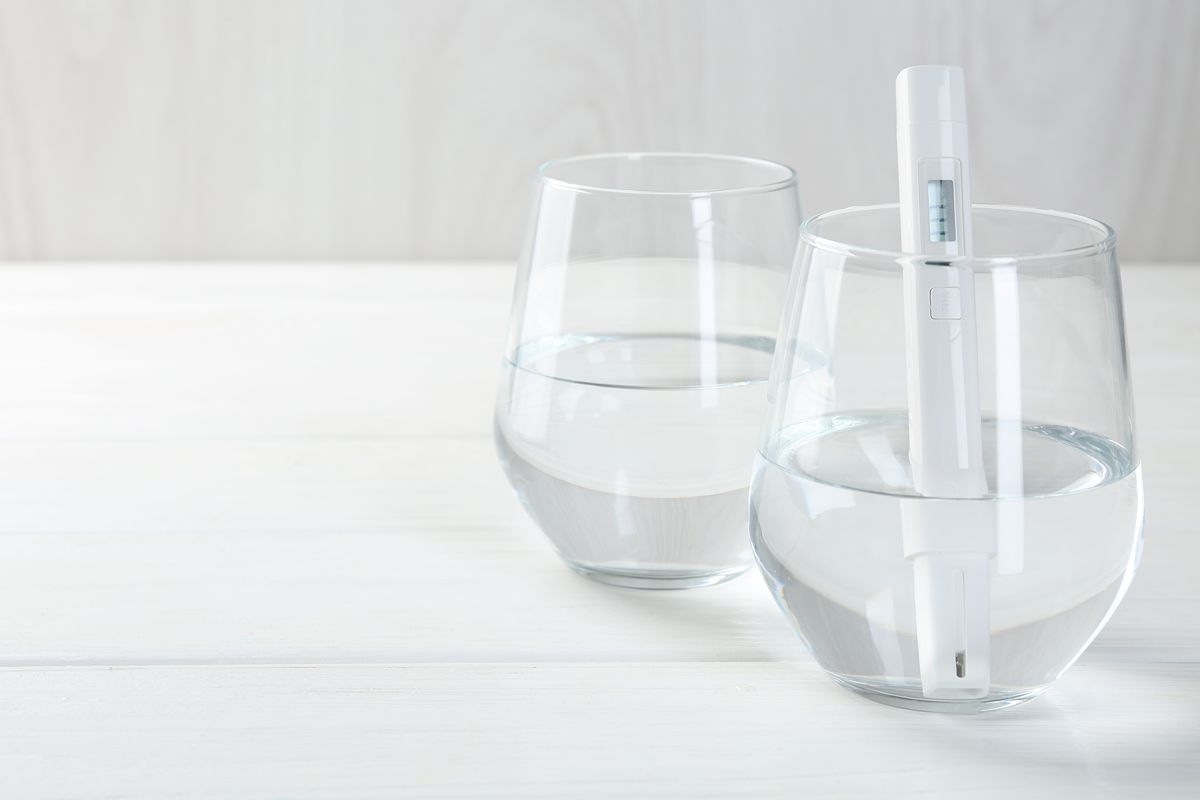
Water quality can differ between restaurant locations, especially when branches use different water sources. Suppliers may provide basic information about the water source and treatment, but operators may not have enough detail about factors that affect filtration needs and equipment performance. As a result, using the same treatment system at every branch may not provide consistent results.
Testing the source water helps operators understand the conditions each filtration system must manage. This information allows fast-food chains to choose filtration systems based on the actual needs of each location
Where to Find a Water Filtration System to Address Fast Food Chain Water Challenges

As an authorized distributor of Pentair Everpure in the Philippines, CWS offers the Everpure Reverse Osmosis system to meet foodservice demands. Using a semipermeable membrane, these systems reduce dissolved solids, minerals, and impurities that can affect water quality and product consistency.
These systems come in configurations that support different flow rates and water conditions. By reducing contaminants that contribute to off-tastes and equipment buildup, Pentair Everpure RO solutions help fast-food chains maintain safe, consistent food and beverage quality throughout operations.
Key Takeaway
Addressing the challenges of maintaining a consistent water supply that fast-food chains encounter starts with identifying the factors that affect water availability and quality across each branch. By assessing water demand and treatment needs, fast-food businesses can maintain reliable water quality and support safer, more consistent daily operations.
At CWS Philippines, we provide commercial water filtration and reverse osmosis systems for demanding foodservice environments. Contact us today to determine the filtration system best suited to your business’s everyday food and beverage operations.